Ocado boss insists he won’t act as a ‘puppet master’ amid apparent succession dispute
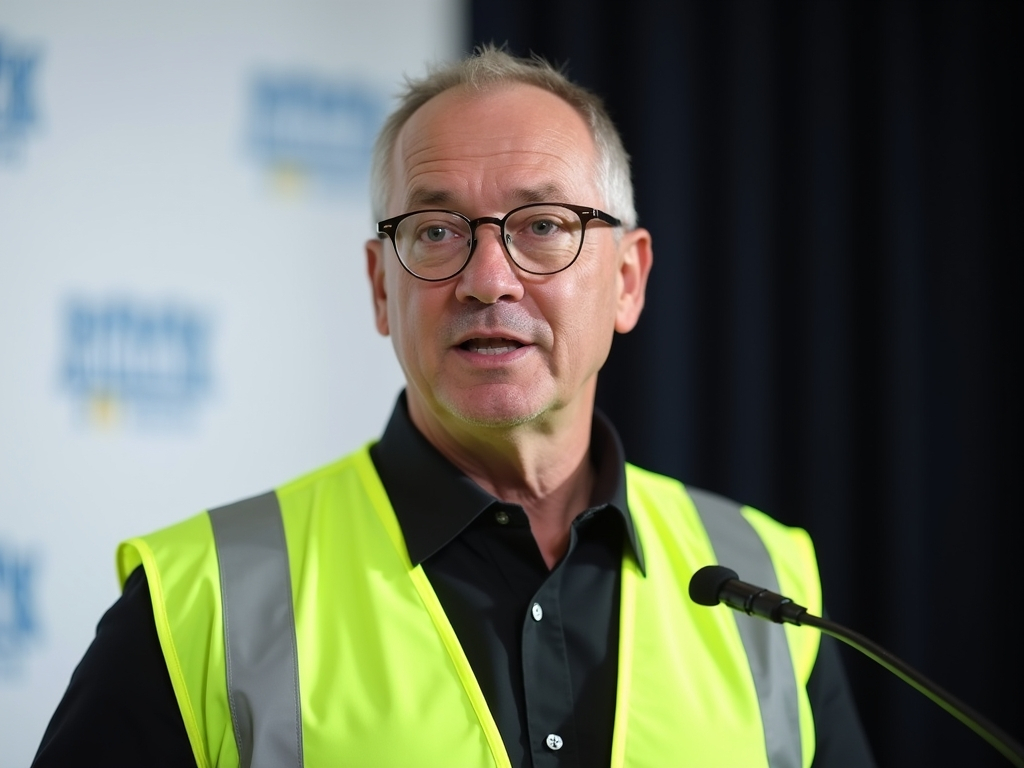
The co-founder and chief executive of Ocado has said he has “no intention of being a puppet master” overseeing staff decisions, amid signs of tension in the boardroom over succession plans at the grocery technology group.
Tim Steiner, who is due to step down as chief executive in 2028, indicated that any incoming leader would be comfortable continuing to work alongside him.
Shares in the company fell by almost 15% on Thursday, reaching their lowest level in more than ten years, after Ocado reported pre-tax profits of £17m for the six months to 31 May. That figure marked a sharp decline from the £607m recorded during the same period last year.
In a trading update, the company sought to downplay reported disagreements at board level concerning Steiner’s future. There was no comment from the chair, Adam Warby, who had reportedly begun looking for a successor without consulting Steiner.
Last week, Ocado confirmed that Steiner would step down as chief executive in two years’ time but remain involved for an additional year in a “founder role”. In that capacity, he is expected to provide strategic advice, market insight and ongoing support to the board through to 2029.
Speaking on Thursday, Steiner said that if the leadership team at the time wanted him to extend his involvement further, he would consider doing so.
“Everyone I have spoken to about the possibility of taking on the role, whether internally or externally, has been very comfortable with me staying involved, particularly in maintaining client relationships and drawing on the experience of more than 26 years spent tackling these challenges,” he said.
“I have no desire to act as a puppet master or control decisions. My role would be to support the team and offer clients reassurance through my continued involvement and experience.”
The announcement followed weeks of speculation about the online grocer’s leadership, fuelled by a significant decline in its market value over the past year.
Steiner, who founded Ocado in 2000 alongside two former Goldman Sachs colleagues, said he remained “fully committed to leading Ocado through its next chapter” and maintained that the company was “heading in the right direction”.
He declined to comment on Warby’s position as chair, a role he assumed in 2024, or on whether their working relationship would continue smoothly.
Steiner, who has earned close to £100m since the company’s stock market debut in 2010, also emphasised that he was “not standing in the way” of appointing a new chief executive.
He described the current period as “an exciting time”, adding that the group still expects to achieve positive cashflow by the end of its financial year in November.
Ocado anticipates signing new US clients within the next six to 12 months, while existing partners are delivering strong growth. The company is preparing to launch additional automated distribution centres for clients in South Korea and Japan, as well as in Phoenix in the US, later this year.
Steiner also noted that further facilities in the UK may be required from 2028 onward as its retail joint venture with Marks & Spencer continues to expand rapidly. Sales in that division rose 15% to £1.76bn in the first half of the year.
Adam Vettese, a market analyst at the trading platform eToro, said: “The company is still reporting losses overall, and although cash burn is easing, it remains a concern. International adoption of its technology has been slower than hoped, particularly after setbacks with earlier partners.
“With shares down nearly 30% so far this year and hovering near multi-year lows, the market’s reaction reflects ongoing doubts about execution and the timeframe for reaching sustainable positive cashflow.”