Crown Estate posts over £1bn profit for the third consecutive year
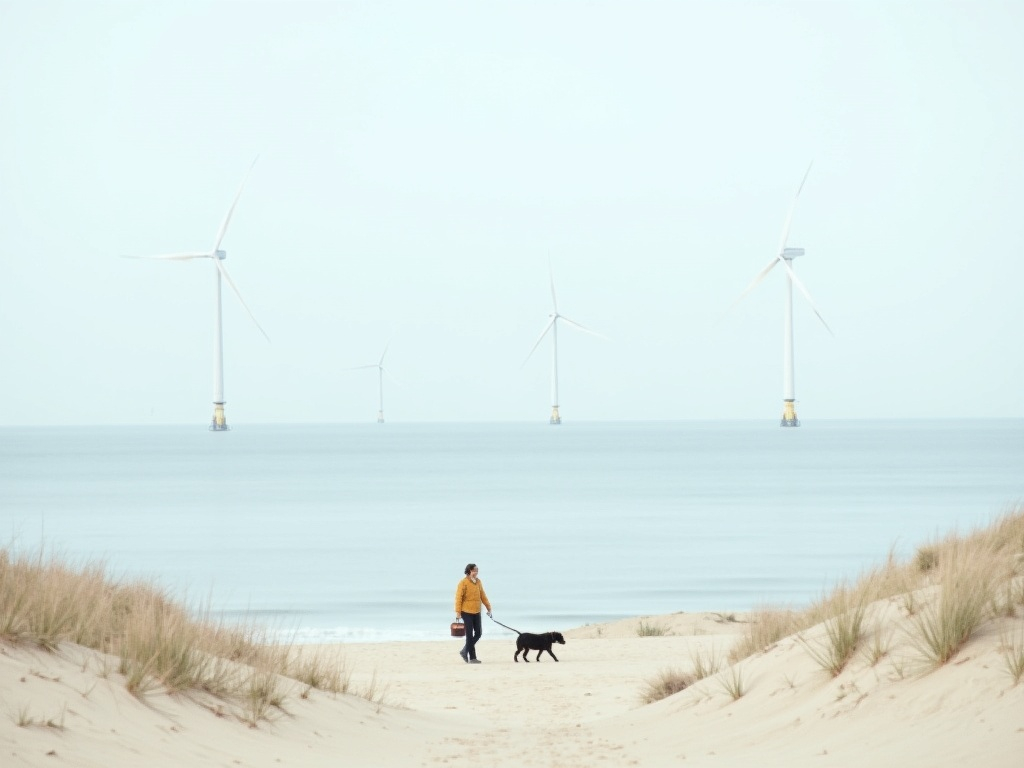
King Charles’s property management company has surpassed £1bn in annual earnings for the third year in a row, driven largely by the rapid expansion of offshore wind projects funded through consumer energy bills.
The Crown Estate, which oversees the royal family’s land and property holdings, posted profits of £1.2bn for the most recent financial year—nearly triple the figure reported three years ago. Around two-thirds of this total was generated by offshore wind activities.
Last year alone, wind energy developers paid £875m in option fees to secure rights to sections of the seabed controlled by the Crown Estate, the legal owner of the ocean floor surrounding England, Wales and Northern Ireland.
This latest windfall marks the third consecutive year in which the estate—whose revenues partially support the monarchy—has benefited from the UK’s expanding offshore wind sector. The surge followed the introduction of competitive auctions allowing developers to bid for seabed leases.
However, income from wind energy declined by £198m compared with the previous year, as two offshore wind projects progressed to the construction phase. At that stage, developers qualify to pay reduced fees. Once operational and producing renewable electricity, the projects will contribute 2% of their revenue from energy sales to the Crown Estate.
Strong investor demand for UK offshore wind, supported by guaranteed pricing mechanisms funded by consumers, has significantly reshaped the financial outlook of the Crown Estate. In addition to seabed rights, its portfolio includes central London property and extensive rural holdings.
A share of the estate’s profits is transferred to the Treasury for public spending, with a portion allocated to the monarch. In the last financial year, £487m was returned to the Treasury. Of this, £132.1m was provided to the King to fund the official duties of the royal household, an increase from £86.3m the previous year.
The Crown Estate also intends to raise the salary of its chief executive, Dan Labbad, by nearly 20%, marking his fourth consecutive annual pay increase. For the past financial year, Labbad will receive close to £2.33m, compared with almost £1.95m the year before and significantly higher than the £517,000 he earned upon taking up the role in 2019.
Labbad has indicated that profits are expected to stabilise in the coming years as more offshore wind developers move into construction and transition to the lower payment structure.
He also noted that even if a future government were to withdraw subsidies for renewable energy, the long-term prospects for offshore wind—and the associated revenues for the Crown Estate—would likely remain intact. “We will adjust our approach as necessary,” he said.
Such adjustments could involve collaborating with industry partners to establish direct power supply agreements between wind developers and major buyers. These arrangements could offer predictable income streams to sustain investment. “The sector has faced significant challenges before, but there are alternative strategies available,” Labbad explained.
He added that the substantial returns from current leases stem from the highly competitive auction held in 2022, which reflected years of joint efforts with government to build up the UK’s offshore wind capacity.
“In essence, we are granting access to a limited natural resource through the market, and in this instance the taxpayer has gained,” Labbad said.