Canada vows to match US tariffs ‘dollar for dollar’ as trade negotiations collapse
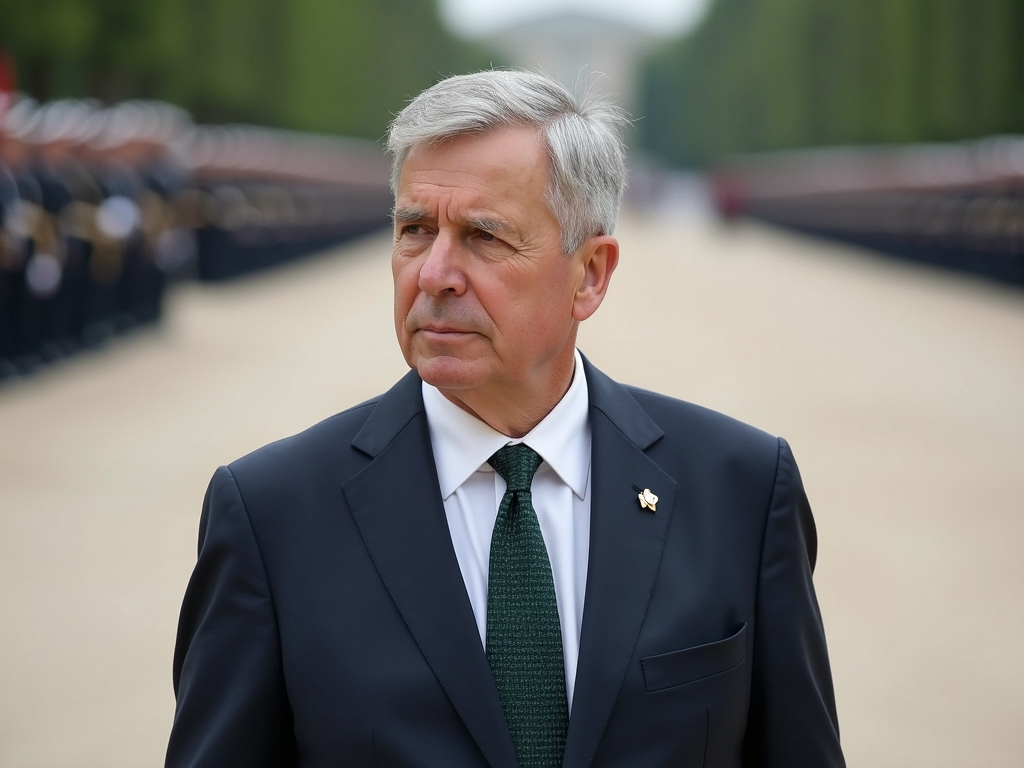
A new round of US tariffs targeting a broad range of Canadian products took effect on Saturday after trade negotiations collapsed at the last moment.
Announcing the suspension of talks shortly before Friday night’s deadline, Canadian Prime Minister Mark Carney said his government would respond with matching tariffs on US products “dollar for dollar”.
Carney argued that late revisions to the American proposal were unfair and economically unsound, while also raising doubts about whether any agreement could be trusted.
Trade officials had been holding intensive negotiations since July, when President Donald Trump threatened to introduce a 50% duty on almost $20bn (C$28bn) worth of Canadian imports by 19 August.
Trump temporarily delayed those measures earlier in the week, saying both governments were close to approving a trade agreement that would be “very good” for each country.
However, just minutes before the deadline, Carney said that although the negotiations had produced “important progress”, the outcome remained insufficient to achieve Canada’s goals.
“As a result, this evening, I have decided to suspend trade negotiations with the US and have instructed our negotiators to return to Ottawa,” he said.
He repeated that eleventh-hour changes to the US terms were unfair, economically unjustified and damaging to confidence in any potential agreement.
Following Carney’s statement, US Trade Representative Jamieson Greer said Canada had refused to complete the trade agreement under conditions settled earlier in the week.
Greer said the US had offered Canada more favourable treatment than any other major exporter to the American market, but claimed fresh Canadian demands and reversals had disrupted the carefully negotiated balance.
The collapse represents a sharp change in tone from earlier in the week, when officials from both countries expressed confidence that a mutually beneficial agreement was close.
Negotiators were reportedly considering a package that would cut US duties on Canadian steel and aluminium from 50% to 25%, while reducing tariffs on Canadian vehicles from 25% to 15%.
In return, Carney had urged Canadian provincial governments to put American alcoholic beverages back on retail shelves.
Relations between the closely connected trading partners have remained strained since Trump returned to office in January last year and launched an extensive international tariff campaign, disrupting decades of largely unrestricted Canada-US commerce.
With negotiations now suspended, Canadian exports will face new 50% US duties introduced by Trump under the Depression-era Tariff Act of 1930.
The measures will cover numerous products, including wine, dairy items, cement, clothing and hockey equipment.
These charges come on top of existing American tariffs affecting Canadian steel, aluminium, vehicles and lumber.
Doug Ford, the typically outspoken premier of Ontario, Canada’s most populous province, said the prime minister had his complete support for a firm response based on equal tariffs and matching dollar values.
Canada has participated in intermittent trade talks with the US for more than a year, seeking an agreement that would eliminate or lower duties on these important industries.
Washington, meanwhile, has sought several concessions from Ottawa, including the removal of remaining retaliatory duties on American vehicles and changes to Canadian dairy quotas that would provide US cheese producers with greater market access.
The US has also demanded an end to restrictions on American alcohol sales, which most Canadian provinces introduced last year in response to Trump’s tariffs.
Companies and industry groups on both sides of the border had urged their governments to reach an agreement, warning that additional US tariffs on Canada would hurt both economies.
The US Chamber of Commerce said earlier in the week that higher duties would weaken both countries, raise expenses for American households, further disrupt essential supply chains and threaten the 13 million US jobs linked to trade under the US-Mexico-Canada Trade Agreement.
A recent survey by Canadian polling company Abacus Data indicated that roughly 36% of Canadians favoured retaliatory action against US tariffs, while another 30% preferred the Carney government to continue negotiations.
Any retaliation could further anger the Trump administration, with Greer warning that the US would “not tolerate” counter-tariffs.
“We’ll take action,” he told reporters last week.