
Europeans pursue tech independence as US giants align with Trump
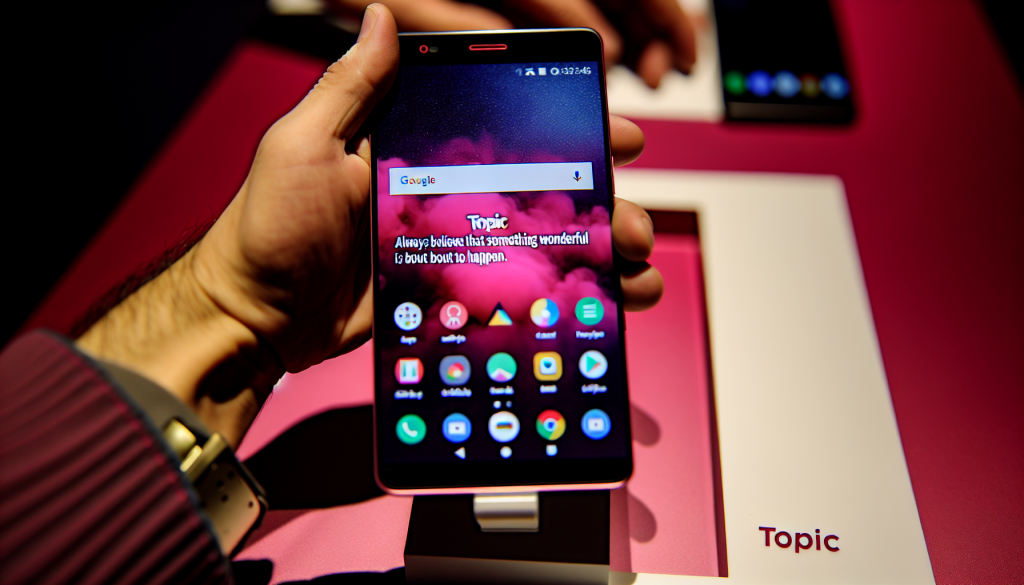
BERLIN, June 21 (Reuters) - At a Berlin market stall operated by the nonprofit group Topio, volunteers assist visitors in disconnecting their phones from major U.S. tech ecosystems. Since Donald Trump returned to the U.S. presidency, the number of people seeking their service has increased.
Interest in European-based digital alternatives has risen noticeably over recent months, according to market analysis company Similarweb. Users increasingly seek out email, messaging, and even search tools that are not based in the United States.
The early phase of Trump's second term has unsettled European trust in their longstanding ally. His administration’s reduced commitment to European defense and new trade policies have deepened this unease.
"This is mainly about the growing power of American tech giants," said Topio's founder Michael Wirths, as a colleague helped install an Android system on a customer’s phone that operates independently from Google services.
The profile of visitors to the stall has shifted. “In the past, it was data privacy enthusiasts. Now we're seeing more politically conscious users who feel vulnerable,” Wirths added.
Elon Musk, head of Tesla and owner of social platform X, was a key advisor to Trump prior to a falling out. Leaders from companies like Amazon, Meta, and Google’s parent firm Alphabet featured prominently during Trump's January inauguration.
Shortly before leaving office, former President Joe Biden cautioned that a growing "tech industry elite" could challenge democratic norms.
The Berlin-based search engine Ecosia reports increased use from those seeking alternatives to services like Microsoft’s Bing and Google, which dominates the search and email space globally.
"Surprisingly, when the political climate worsens, our platform sees growth," said Ecosia founder Christian Kroll. The firm reinvests profits into reforestation initiatives.
Similarweb indicates a 27% annual increase in Ecosia queries from EU-based users, although it still holds only about 1% of Germany’s search market share.
In February alone, Ecosia saw roughly 122 million visits from EU countries, a small number compared to Google's 10.3 billion. Alphabet, which owns Google, brought in around $100 billion in revenue from Europe, the Middle East, and Africa in 2024—close to a third of its global income.
Ecosia reported April earnings of 3.2 million euros ($3.65 million), with 770,000 euros dedicated to planting over a million trees. Google did not offer any comment on these developments.
It remains unclear whether U.S. tech giants have lost any major market share to European firms.
This rising interest in non-U.S. platforms ties into a broader European discussion about "digital sovereignty"—the belief that dependence on American tech represents a risk to European security and economic autonomy.
"People who never questioned where their email came from are now starting to reevaluate," said Maria Farrell, a UK-based expert on internet policy. "Even my hairdresser asked about alternatives."
Usage of ProtonMail, a privacy-focused email service based in Switzerland, saw an 11.7% increase in Europe year-on-year through March. Meanwhile, Gmail from Alphabet, which dominates 70% of the global email market, experienced a 1.9% drop in usage in the same period.
ProtonMail noted a rising number of European users following Trump’s re-election, although it did not specify figures.
British software engineer Ken Tindell shared that his household is now reducing dependence on U.S. tech giants, citing lax American data protection laws as a key factor.
In February, Vice President JD Vance unsettled European leaders by accusing them at a transatlantic forum of curbing free expression and mishandling immigration. Then in May, Secretary of State Marco Rubio proposed visa bans for individuals allegedly limiting American speech online—potentially including international regulators overseeing U.S. tech firms.
American social platforms like Facebook and Instagram’s owner Meta have argued that the European Union’s Digital Services Act imposes unwarranted restrictions on free speech.
EU authorities counter that the Act aims to improve online safety by requiring platforms to tackle illegal materials like hate speech and child exploitation content.
Greg Nojeim, who leads the Security and Surveillance Project at the Center for Democracy & Technology, believes European fears about U.S. data access are valid. Under American law, government agencies can examine the data of foreigners—even if hosted or transferred through U.S. tech infrastructure.
Germany’s federal leadership has pledged to reduce reliance on American tech—supporting open-source data formats and advocating for more locally managed cloud systems.
Some areas are pushing further. For example, the state of Schleswig-Holstein mandates that public sector IT must operate on open-source software.
Berlin has also supported Ukraine with internet services provided by French satellite operator Eutelsat, instead of relying on Elon Musk’s Starlink system.
Still, fully severing ties with U.S. tech companies is unlikely, said Bill Budington from the nonprofit Electronic Frontier Foundation. Much of today’s digital infrastructure—such as notifications, website hosting, and data routing—relies heavily on American technology and networks.
Even services like Ecosia and France’s search tool Qwant partially depend on results provided by Google or Bing. Much of their backend infrastructure is also hosted by the same tech firms they aim to replace or avoid.
Despite this, online communities continue seeking alternatives. A subreddit called BuyFromEU now boasts over 211,000 members.
"Just canceled my Dropbox; switching to Proton Drive," wrote one of its users.
The decentralized social media platform Mastodon, created by German developer Eugen Rochko, gained popularity after Musk acquired Twitter and rebranded it as X. However, it remains a niche option.
Messaging app Signal, although U.S.-based and operated by a nonprofit, saw an uptick in European usage. In March, installations increased by 7% month over month, while Meta’s WhatsApp usage remained unchanged.
Meta declined to respond, and Signal did not reply to media queries.
Nonetheless, activists like Robin Berjon caution that individual action alone won’t shift the dominant market forces. "The market is too entrenched," he said. "We need regulatory action too."



