Wessex Water boss receives pay increase above inflation despite bonus ban linked to sewage spill violations
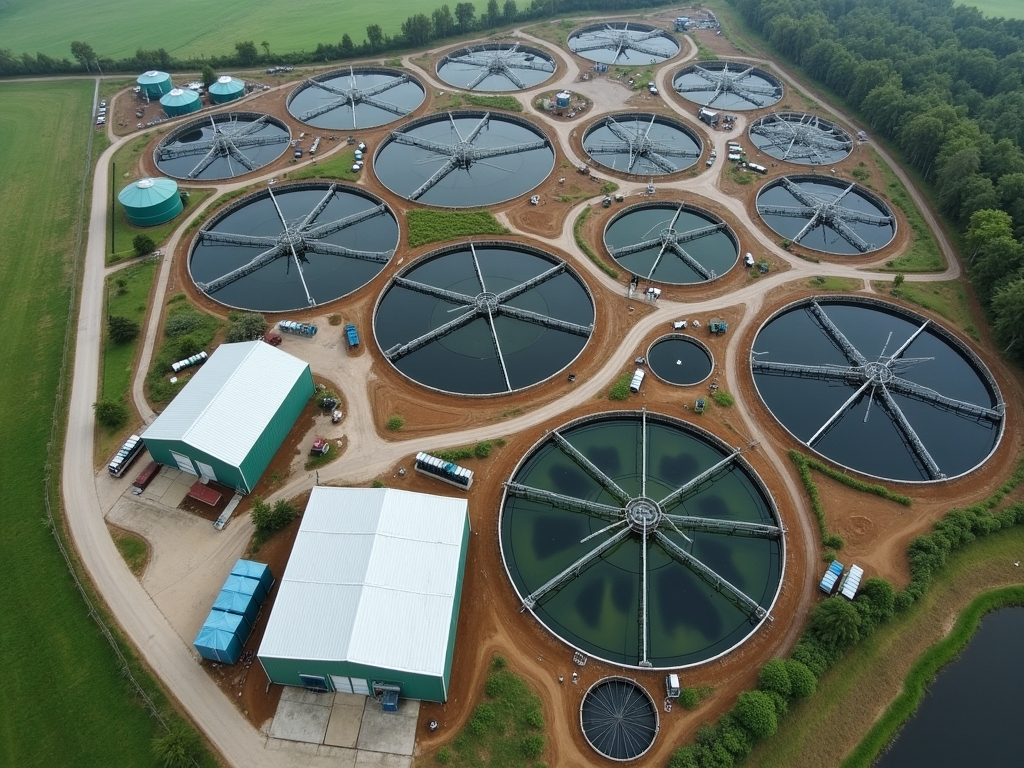
Wessex Water granted its chief executive a pay rise well above inflation despite being prohibited from issuing bonuses due to sewage discharge incidents, newly released accounts show.
Ruth Jefferson’s base salary rose by 14% in October, increasing from £590,000 to £670,000, before additional benefits were included. This uplift significantly exceeded the 3.5% awarded to staff and placed her earnings at 18 times the company’s median salary.
Executive compensation in the water sector has faced mounting criticism in recent years, amid widespread anger over sewage pollution in rivers and coastal waters. In response, the government introduced a 2025 ban on bonuses for companies responsible for serious environmental breaches or failing key financial standards.
Wessex Water, owned by Malaysian investors, serves 2.9 million water and wastewater customers across south-west England, including Bristol, Bath and Bournemouth. In its annual report, the company acknowledged that it expected to be subject to the bonus prohibition, particularly because of environmental and operational performance measures.
Including pension contributions and other unspecified benefits, Jefferson’s total remuneration for the year reached £791,000. In the previous year, she received £440,000 for six months while transitioning from chief compliance officer to chief executive.
Elsewhere in the industry, Anglian Water granted its chief executive, Mark Thurston, a £500,000 “retention payment” despite being barred from paying bonuses.
The payment to the former HS2 rail project leader was made by Anglian’s parent company, which argued it was permissible because it was not tied to performance targets.
Anglian stated that the payment, issued in July 2025, did not substitute for bonuses and came from funds that would otherwise have been distributed to shareholders. The company said the measure was intended to secure Thurston’s leadership until January 2027.
In its annual report, Anglian reiterated its long-standing position that banning bonuses is counterproductive, arguing that rewarding measurable improvement would be more effective.
A spokesperson for Anglian Water said the company uses “targeted, time-limited retention arrangements” to maintain stability in leadership. The spokesperson added that such payments are not funded by customers or by Anglian Water Services, but by shareholders.
Gary Carter, national officer at the GMB union, criticised the arrangements, saying: “The government attempted to prevent water company executives from awarding themselves excessive bonuses, yet loopholes continue to be exploited.
“Water company leaders appear unmoved by public frustration over high pay and poor performance. As long as they can continue enriching themselves, they will do so. It is up to ministers and regulators to ensure the rules are properly enforced.”
Wessex confirmed that during the latest financial year, no executive directors received payments from other group entities. Earlier disclosures had revealed £51,000 in previously unreported payments to Jefferson and finance chief Andy Pymer, which were later raised in parliament.
The company is ultimately owned by Yeoh Tiong Lay & Sons Family Holdings, named after its late Malaysian founder and incorporated in Jersey. Wessex said it fell under the bonus ban because “circumstances arose during the year” that triggered the performance-related pay prohibition, particularly concerning environmental and operational outcomes.
Separately, Wessex was authorised to increase customer bills by 21% over a five-year period to fund infrastructure improvements.
A spokesperson for Wessex Water said the chief executive’s salary adjustment followed a scheduled review after her first year in post. The company stated that her pay had initially been set below comparable market levels and was revised to align more closely with industry benchmarks.
Yorkshire Water, another privatised utility in England, also continued making payments through group companies. According to recently published accounts, its chief executive, Nicola Shaw, received £660,000 from parent company Kelda Holdings.
The disclosure prompted criticism from regional politicians and campaigners. The regulator, Ofwat, responded by saying it would require companies to provide clearer reporting of payments made via parent or affiliated companies.
Yorkshire Water’s board acknowledged concerns about transparency, stating that it accepted criticism over insufficient disclosure of remuneration paid by Kelda Holdings. The board pledged to provide fuller transparency in future in an effort to rebuild public trust.