‘A disaster unfolding’: What is fueling the unprecedented heatwave across South Asia?
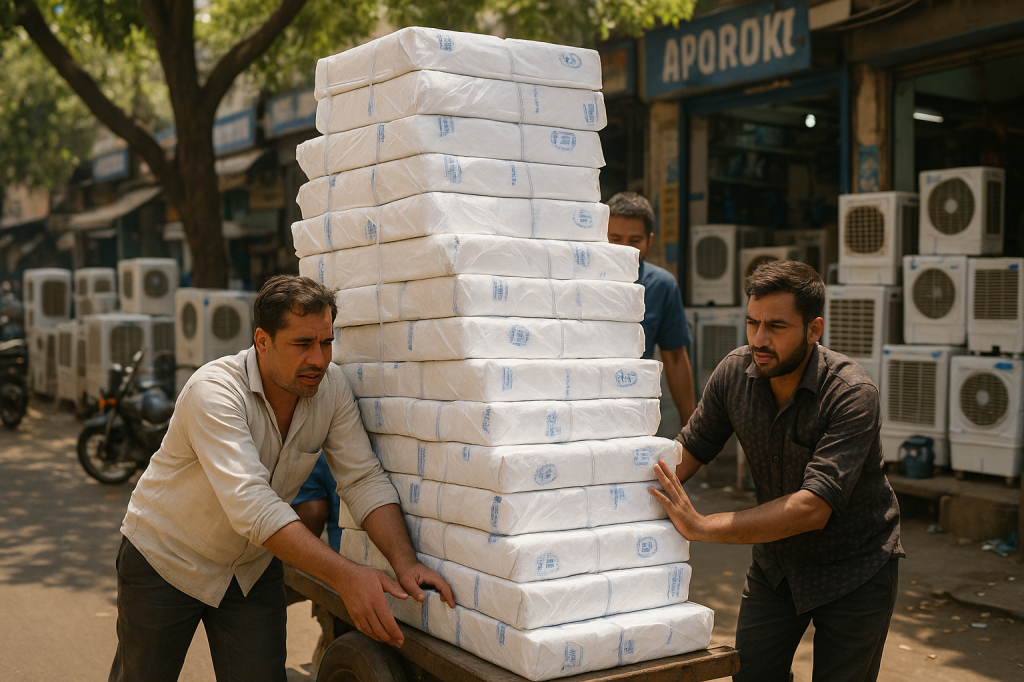
A record-setting and deadly heatwave sweeping across South Asia has driven temperatures to perilous levels, disrupting everyday life for hundreds of millions of people and intensifying concerns about the fragility of one of the world’s most densely populated regions.
India, Pakistan and Bangladesh are among the countries experiencing temperatures far above seasonal norms, with some areas nearing or surpassing 45-50 degrees Celsius (113-122 degrees Fahrenheit).
Recommended Stories
• list 1 of 3On Earth Day, remember the people defending the planet
• list 2 of 3Long before Trump: How US policy has harmed the environment for decades
• list 3 of 3As the dams feeding Tehran run dry, Iran struggles with a dire water crisis
In Pakistan, local emergency officials reported at least 10 heat-related deaths on Tuesday. Neighbouring India has also recorded multiple fatalities linked to the extreme temperatures.
While heatwaves are a familiar feature of South Asia’s pre-monsoon summer, experts say the scale, persistence and geographic reach of recent events are unlike anything previously recorded.
Scientists and meteorological agencies increasingly attribute these intensifying extremes to human-driven climate change, which is amplifying natural weather variability.
As authorities rush to respond, the crisis is highlighting entrenched inequalities across the region, revealing who is most exposed and who has the means to cope.
What is causing heatwaves so early in the year?
India is facing an unusually early and severe heatwave, according to Anjal Prakash, research director at the Bharti Institute of Public Policy.
He explained that persistent high-pressure systems are trapping hot air close to the ground, forming a dome that prevents it from rising and cooling.
This descending air mass compresses and heats further, suppressing cloud formation and allowing continuous solar radiation to intensify surface temperatures.
Prakash added that broader climate factors are compounding the situation. Weak pre-monsoon rainfall and lingering El Nino-like conditions are limiting natural cooling processes.
El Nino occurs when sea surface temperatures in the eastern Pacific Ocean become significantly warmer than average, often accompanied by weakened trade winds. By contrast, La Nina tends to have a mild cooling influence on global temperatures.
The World Meteorological Organization (WMO) has warned that El Nino conditions could re-emerge between May and July.
After a period of neutral conditions at the beginning of the year, there is strong confidence that El Nino will develop and potentially strengthen, according to the agency.
Although there is no clear evidence that climate change increases the frequency of El Nino events, the WMO notes that global warming can intensify their impacts.
Which countries are most affected by the heatwave?
India
The India Meteorological Department (IMD) has predicted above-average temperatures across much of the country, cautioning that severe heatwave conditions are likely in western regions and along coastal areas this month.
Eastern coastal states, parts of the Himalayan foothills, and western states such as Maharashtra and Gujarat are expected to face more frequent heatwaves than usual.
Officials say some regions could see temperatures rise three to five degrees Celsius (5.4 to nine degrees Fahrenheit) above normal levels.
In northwestern and central India, thermometers have climbed beyond 46C (114.8F). Maharashtra’s cities of Akola and Amravati recorded highs of 46.9C (116.4F) and 46.8C (116.2F) in late April. Reports indicated that more than 90 of the world’s hottest cities on one April day were located in India.
Several heat-related deaths have been reported since extreme conditions began. In one week alone, two school teachers died of heatstroke, and four additional fatalities were recorded in West Bengal.
Pakistan
Pakistan is also enduring severe heat, with authorities warning that extreme temperatures may persist for days.
The Pakistan Meteorological Department forecast sustained heatwave conditions across central and upper Sindh, advising residents to avoid direct sunlight and stay hydrated.
In Karachi, the nation’s largest city, temperatures reached 44C (111F), marking the highest level recorded there since 2018. Emergency services reported at least 10 deaths as the city sweltered.
Other Sindh cities, including Jacobabad and Sukkur, are expected to see temperatures approach 46C (114.8F).
Bangladesh
Bangladesh has also faced intense heat. In mid to late April, Dhaka and districts such as Faridpur, Rajshahi and Pabna recorded temperatures between 37C (98.6F) and 38C (100.4F).
The country has experienced a steady rise in extreme heat days. In April 2024, authorities documented 24 heatwave days — the highest number in 75 years — surpassing the previous record set in 2019, with some districts exceeding 40C (104F).
What impact is the heatwave having on people in the region?
Kartikeya Bhatotia, a research fellow at Harvard University’s Mittal South Asia Institute, said extreme heat harms people through multiple channels and that its effects are highly unequal.
The most immediate danger is physiological. Heat stress can overwhelm the body’s ability to regulate temperature, leading to cardiovascular strain, kidney damage, sleep disruption and worsening of chronic illnesses such as diabetes, respiratory diseases and mental health disorders. Elderly individuals, pregnant women, children and those with pre-existing conditions are particularly vulnerable.
Structural inequalities further compound the risks. Low-income communities often live in poorly insulated homes with limited ventilation and lack access to cooling systems, while simultaneously working in outdoor or heat-exposed occupations.
In India alone, an estimated 380 million people — roughly three-quarters of the workforce — are employed in jobs that expose them to extreme heat. Lost working hours reduce daily earnings, affecting access to food, healthcare and medication, with consequences that accumulate throughout the season and are seldom formally attributed to heat.
How are governments responding to the heatwaves?
Bhatotia said India’s widely praised heat preparedness framework is struggling to shield its most vulnerable populations as temperatures intensify.
India has been a pioneer in developing Heat Action Plans, which combine early warning systems, water distribution, cooling centres, public awareness campaigns and mandated rest breaks.
While these measures save lives, they often benefit those already connected to formal systems. Informal workers and day labourers — among the most exposed — frequently fall outside the scope of enforcement, and oversight of implementation remains inconsistent.
Bhatotia argued that a broader structural strategy is needed, spanning housing, urban planning, healthcare, labour rights and disaster management. Health systems require expanded infrastructure, trained personnel and effective monitoring to accurately track heat-related illness and deaths.
Long-term resilience will depend on systemic reforms. Building regulations should require passive cooling design before construction begins, and labour protections must be enforceable for informal workers. Without such changes, he warned, escalating heat risks will outstrip current response efforts.
In Pakistan, climate expert Fahad Saeed has questioned the country’s readiness and transparency as heatwaves intensify. He cited past discrepancies between official statistics and realities on the ground, particularly in Karachi.
He stressed the importance of collecting accurate data and openly acknowledging the severity of the crisis.
Underreporting, he suggested, may stem partly from governance concerns and fears of political repercussions.
However, recognising the true scale of loss and damage is essential to raising public awareness, securing international climate support and designing effective response strategies. Without reliable data, meaningful adaptation will remain difficult to achieve.
Failing to confront the magnitude of the problem, he cautioned, will only hinder the development of effective countermeasures.
Will heatwaves get worse in the future?
In short, yes.
Climate projections indicate that both the frequency and severity of extreme heat events across South Asia are likely to increase in the coming decades, even under moderate emissions scenarios.
Although India has warmed at a slightly slower pace than the global average in recent years, this has been partly attributed to temporary cooling effects from aerosol pollution and extensive irrigation.
As these influences diminish, warming could accelerate beyond what historical trends suggest.
Still, rising temperatures do not inevitably translate into greater harm if effective adaptation measures are adopted.
Comprehensive planning, anticipatory action and early warning systems linked to pre-authorised responses can significantly reduce damage. The central objective, experts say, is to separate the upward trend in heat from a parallel rise in human suffering.