
How extreme heat is reshaping travel across Asia
Benjamin Wong has discovered calm — 8,530 feet above sea level.
A high school teacher in Singapore, he enjoys long summer holidays. Still, he finds it difficult to choose destinations that aren’t just as sweltering as his hometown.
This year, he is spending his break at a high-end mountain retreat in Yunnan, in southwestern China — a province increasingly favored by travelers hoping to beat the heat. Popular cities such as Dali and Lijiang can see nighttime summer temperatures drop to around 59 degrees Fahrenheit, a key reason Wong chose the region.
“Aside from short weekend trips around Southeast Asia, I always plan my longer holidays somewhere cooler than Singapore,” says Wong, referring to the humid city-state where temperatures regularly exceed 80 F. “Europe has been so unpredictable lately. I don’t want to endure a 13-hour flight only to land in another heat wave that’s even worse than home.”
Wong’s choice reflects a broader global pattern. Travel insiders have coined the term “coolcations” to describe trips planned specifically for milder climates. And tourists aren’t the only ones affected by soaring temperatures. The World Meteorological Organization reports that roughly 75% of workers in Asia face exposure to extreme heat — including street vendors and delivery workers who often serve visitors.
Recently, France saw temperatures surge to 104 F under a powerful heat dome. In a rare precaution, Paris authorities asked organizers of the annual Fete de la Musique not to sell alcohol due to the risks of dehydration and heatstroke. Spain, the United Kingdom and Switzerland also recorded record-breaking highs, forcing some outdoor sites to shorten hours or close entirely.
Asia faces similar challenges. According to the WMO, the continent is warming at twice the global average rate. Japan, for instance, continues to set records not only for visitor arrivals but also for extreme temperatures, including an all-time high of 107.2 F.
All five of Japan’s hottest days on record occurred last summer, leading to the creation of a new term: kokusho-bi, meaning a brutally hot day.
Some travelers are shifting to shoulder seasons, but summer in the Northern Hemisphere remains peak travel time due to school calendars. Many Asian countries also schedule extended breaks between June and August. The result: intense heat combined with overwhelming crowds.
One way to cope is by visiting outdoor attractions at dawn or after sunset. Booking platform GetYourGuide reports adding more evening experiences to meet growing demand.
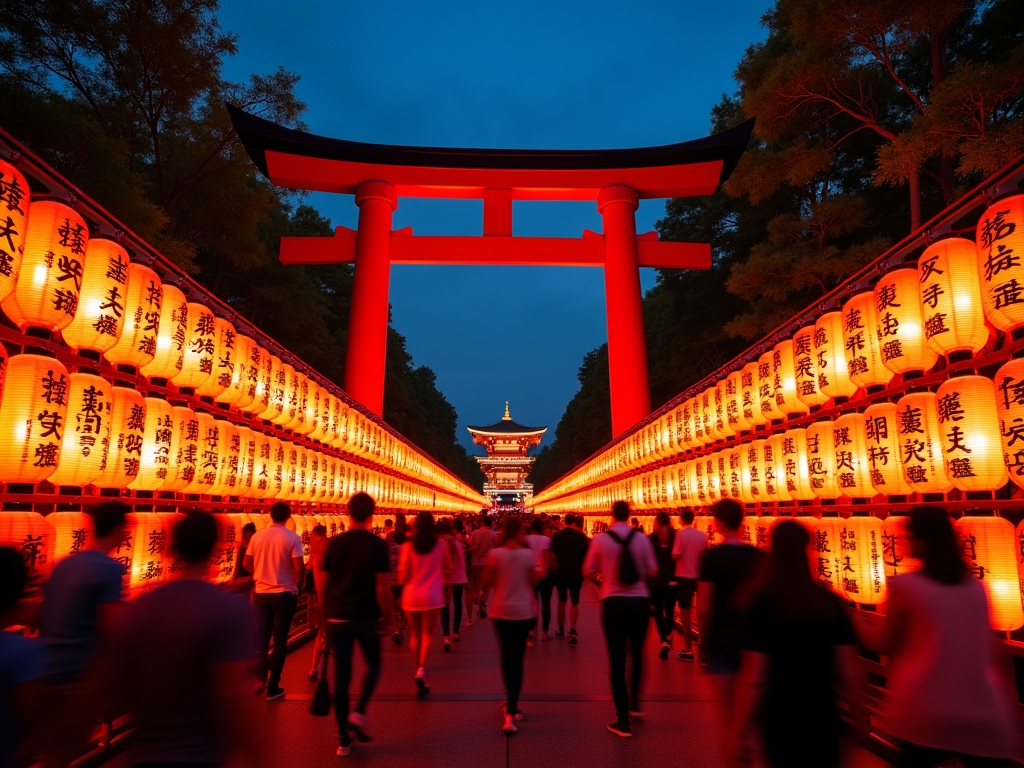
In Asia, these twilight options range from nighttime walks through Kyoto’s vivid orange Fushimi Inari shrine to sunset cruises on Thailand’s Mekong River or atmospheric ghost tours through Seoul’s alleyways. The company notes that bookings between 5 p.m. and 9 p.m. have increased by 30%, with Asia leading the surge at 70% growth.
Takao Nishina, regional manager for Japan and South Korea at GetYourGuide, says first-time visitors and dedicated bucket-list travelers are often the most determined to endure the heat. For some, braving extreme weather is simply part of the journey.
To improve comfort, Nishina and his team are redesigning itineraries — relocating cooking classes from open-air markets to indoor spaces, for example, or scheduling stadium tours during the hottest hours so travelers can reserve cooler mornings for outdoor exploration.
Traveling during a heat wave: What tourists should consider
Brian Yung, a marketing professional from Hong Kong, believes he has been unknowingly embracing coolcations for years.
Recently, he has vacationed in Finland, Denmark and Canada. Though he frequently visits Japan, he now favors rural and mountainous regions over major cities like Tokyo and Osaka.
“I love Yamagata,” he says. “I went in winter and it was genuinely freezing — even colder than Finland, which surprised me.”
“I’m always trying to escape heat and humidity,” Yung explains. “Looking back, I realize I’ve been instinctively choosing cooler places.”
Future-proofing travel — is it possible?
It may seem surprising, but some destinations appear to be benefiting from shifting climate patterns — at least in tourism terms.
Raymond Rastegar, a hospitality professor at Australia’s Griffith University, studies how climate change influences travel decisions. He notes that places such as New Zealand’s South Island, Mongolia, Kazakhstan, Japan’s Hokkaido and Australia’s Tasmania are experiencing increased interest, partly due to their comfortable summer conditions.
Mongolia’s tourism authority reported a 33% rise in visitors in the first half of 2026 and is expanding hotel capacity in Ulaanbaatar to prepare for further growth. Tasmania welcomed approximately 250,000 travelers during its 2025 winter season — a 7% increase from the previous year and its busiest on record.
Yet seasonality involves more than temperature alone. Altered typhoon cycles can extend rainy periods, while rising humidity can make moderate warmth feel unbearable.
“Climate variability is transforming both traveler behavior and operational planning,” says Namgyal Sherpa, CEO of Sherpa Hospitality Group in Nepal.
“We’re seeing demand spread across longer periods, with smaller gaps between peak and off-peak seasons.”
As a result, hotels such as the upscale Shinta Mani Mustang in northern Nepal must conduct year-round risk assessments. Some trekking routes have become inaccessible for extended stretches due to higher water levels.
Even well-prepared tourists can be caught off guard by sudden extremes.
“A major challenge is awareness,” says Rastegar. “Travelers often don’t understand how intense conditions can be in unfamiliar destinations, which makes them especially vulnerable.”
Ironically, some of the hardest-hit regions are experiencing a surge in “last chance tourism.”
This trend is driven by travelers eager to see threatened places — such as the Maldives’ low-lying islands or the coral reefs of the Great Barrier Reef — before environmental changes permanently alter them. In these cases, climate change both fuels tourism and endangers the very attractions visitors come to see.
What is undeniable is that climate adaptation is no longer optional for any destination.
“A decade or two ago, climate change discussions centered on a handful of places,” Rastegar reflects. “Now it’s universal. It could mean extreme heat, wildfires, flooding or violent storms. Every destination must confront it if they want to stay competitive. Climate strategy has become inseparable from tourism planning.”
Although Rastegar doesn’t rely on the term “coolcation” in his research, he admits weather plays a role in his own travel choices. Last summer, he vacationed in Finland.



