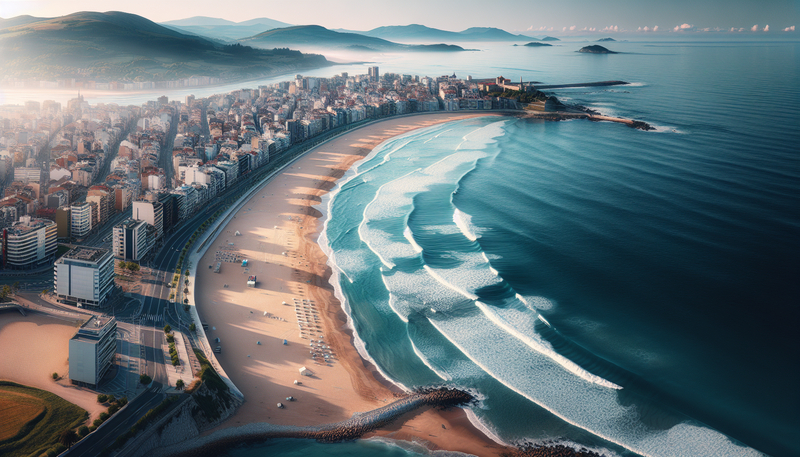
Can a Moroccan surf getaway help me overcome my ocean fears?
I'm not exactly sure when my fear of waves truly began. Perhaps it was sparked by a single traumatic event—like the enormous wave in Biarritz, France, nearly two decades ago, that slammed me onto the ocean floor and scraped the skin off my chin.
More likely, my shift from being fearless to cautious crept up over time. It seems reasonable when you think about the risks the ocean holds—riptides, submerged rocks, sharks, head injuries. But for me, the fear feels more deeply rooted. I suspect my profession played a role. Spending nearly 20 years as a journalist chronicling some of the darkest aspects of human nature has left me with a diminished belief that I can protect myself—or others—in an uncertain and often dangerous world.
In the last few years, even waist-high waves have felt like too much, forcing me to stay on shore while my loved ones freely enjoy the sea. It's painful to watch, especially as someone who enjoys swimming and being in the water.
So when it came time for a career change after 14 years in the same role, I knew I needed more than just a break—I needed a reset. That’s when I signed up for a week-long surf therapy retreat in Morocco, hoping it would help me confront my fear and make peace with the psychological weight I’d been carrying.
The retreat was offered by Resurface, a wellness organization created by psychologist Josh Dickson. He specializes in trauma and recovery, aiming to blend physical activity, mindfulness, and group work into a cohesive healing experience. The program includes morning yoga and surf sessions, followed by afternoon therapy in a group setting.
During a conversation before the retreat, Josh explained that the goal is to cultivate a “flow” state—a mental space where body and mind work in harmony, boosted by sunlight, ocean immersion, and stepping away from daily stress.
Surfing, in addition to being a demanding workout, puts you face to face with nature and requires intense focus. It also activates a range of beneficial chemicals in the brain—endorphins, dopamine, and serotonin for well-being, plus adrenaline and norepinephrine for focus and excitement. This state creates a strong foundation for emotional and psychological work.
Initially, I signed up for Resurface’s Reset, a retreat focused on building resilience and avoiding burnout. But due to some last-minute changes, I ended up joining the organization’s first group retreat focused on EMDR—eye movement desensitization and reprocessing.
EMDR, developed in the 1980s by American psychologist Francine Shapiro, aims to ease the emotional toll of distressing memories. The idea is that traumatic experiences aren’t stored in the brain the same way normal memories are, which can cause them to resurface in harmful ways. The therapy involves things like moving your eyes from side to side or tapping alternately on each side of the body while focusing on the traumatic memory, helping the brain to reprocess and safely store it.
Doing this kind of work in a group of strangers felt vulnerable, so I arrived in the small Moroccan beach town of Tamraght with mixed emotions on a warm October afternoon.
Tamraght is a relaxed and welcoming town, a quieter counterpart to its more touristy neighbor, Taghazout, just up the coast. The town has charming restaurants, surf shops, and small shops, all nestled against a scenic beachfront where even camels stroll in the sand.
Our accommodation was Riad dar Haven, a beautiful, inviting guesthouse where we would spend our six-day retreat. That evening, I met my fellow guests over a delicious meal of chicken with green olives and preserved lemons, prepared by the in-house chef.
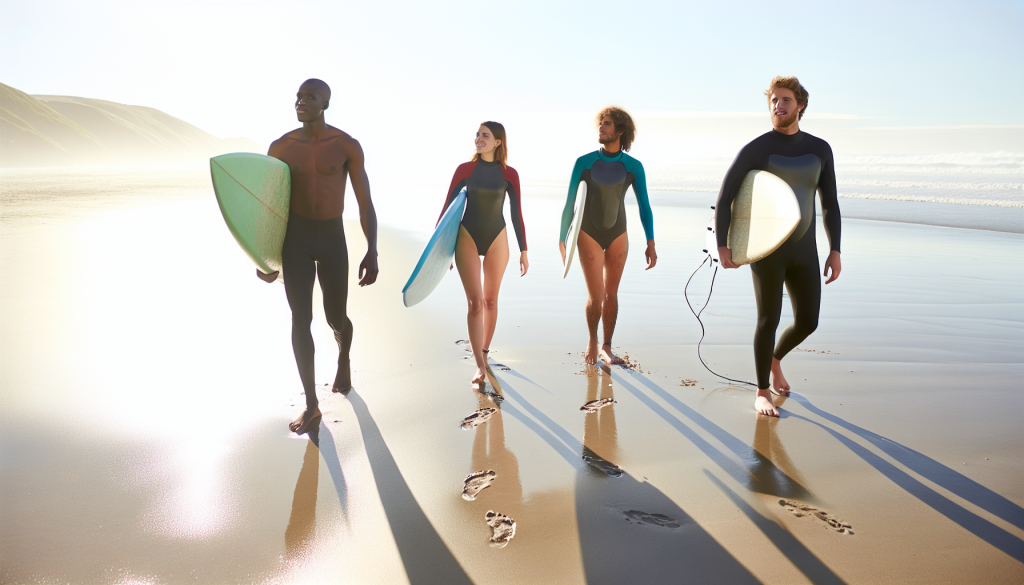
The following morning began with a lighthearted orientation led by Josh, including some fun, though slightly awkward, icebreakers. We then loaded into a van and made our way to the beach, where we wrestled into wetsuits and split into groups based on our surfing experience—from complete novices like me to more seasoned surfers.
Our instructors, led by friendly local surfer Youness Arhbi, were fantastic—patient, upbeat, and skilled at inspiring confidence in beginners, even those of us struggling to move fluidly on the large foam boards.
Each morning we explored different serene beaches around Tamraght. The waves were mild—gentle enough that even I wasn’t afraid. Hours spent in the chilly salt water were both draining and invigorating. And though I rarely managed to ride a wave correctly, the act of trying, falling, and getting back up felt deeply meditative.
After surfing, we would gather on the beach to eat lunch together, bask in the sun, and share our morning highs and lows. Then we’d return to the riad for our afternoon group therapy sessions.
Initially, the therapy felt very personal and exposed, but Josh guided us with warmth, expertise, and sensitivity. Over time, the process became more meaningful.
At first, EMDR didn’t seem revolutionary to me, especially since the memories that surfaced were sometimes unexpected and not the ones I intended to focus on. But as the days went by, I found those sessions became the most impactful part of the entire retreat.
After years of growing disillusionment, I was moved by the openness of the group—people honestly confronting their most painful moments. That shared vulnerability and courage helped restore a sense of trust and reconnection within me that I hadn’t realized I had lost.
When it came to surfing, my skills didn’t improve dramatically. But on our final day, the waves grew just strong enough to make me nervous again. With support from my instructor—and a brief emotional release on the sand—I decided not to give up.
And then, in the final half-hour of the lesson, I managed to clumsily stand on my board. Raising my arms in joy, I heard cheers from the shore. My group had stood up to celebrate with me, and in that small victory, something inside shifted.
The retreat was offered by Resurface. Their seven-day surf therapy experiences include lodging, all meals, surf instruction, therapy, and activities. The next retreat begins on April 11 and costs from £2,500 per person.