Ukraine to resume attacks on Russian oil refineries, Zelensky says
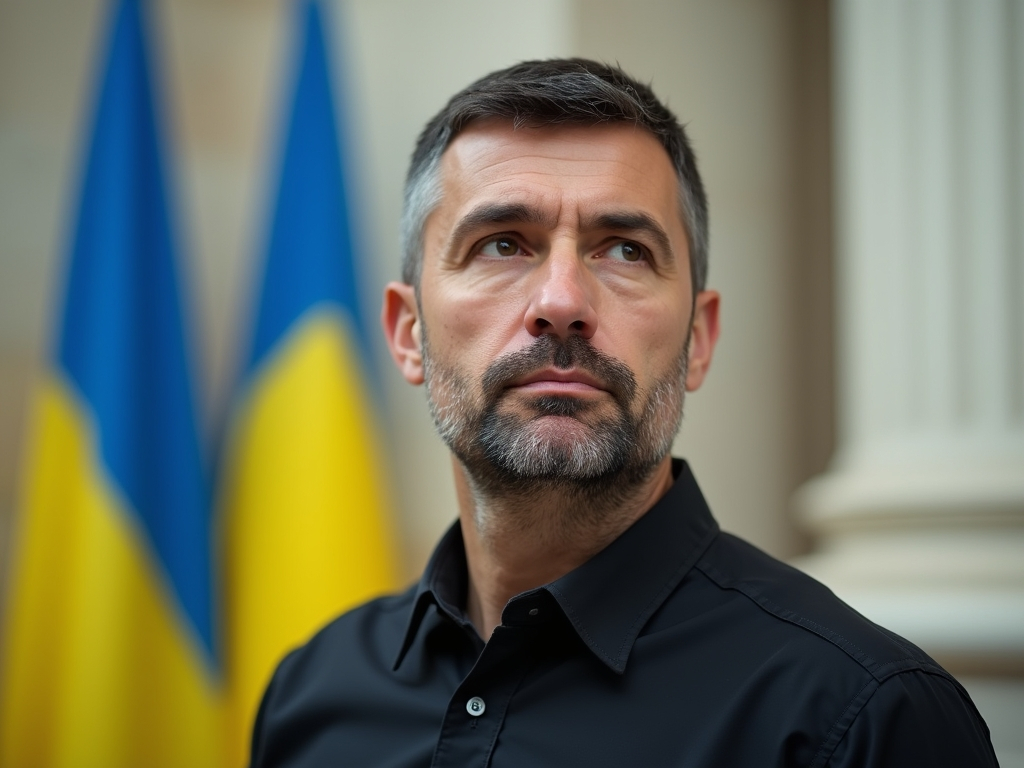
Ukraine will restart attacks on Russian oil refineries, President Volodymyr Zelensky has said, accusing the United States of pulling back support that Kyiv considers essential.
The Ukrainian leader said he had paused the strikes for three days at Washington's request, even as Russia continued targeting Ukraine's energy system. “That is over,” he told the Financial Times.
Zelensky also claimed that the US had reduced intelligence support related to Russian attacks in an effort to force Kyiv to stop the refinery strikes permanently. He linked the move to a US arrangement involving Russian diesel imports, and said limits imposed on Starlink services used by Ukrainian forces were intentional.
The Kremlin said Ukraine had launched what it described as a major attack against an oil refinery south of Moscow early on Thursday.
Russia's defence ministry said four missiles and dozens of drones had been intercepted, while debris from the attack caused a fire at the Ryazan facility.
Zelensky, meanwhile, said Russian forces had attacked dozens of Ukrainian cities over the previous 24 hours.
He had earlier said Ukraine would respect the proposed “energy ceasefire” announced by US President Donald Trump on Sunday if Russia followed the same terms.
However, Zelensky said Moscow had violated the proposed arrangement within hours, with attacks cutting electricity to hundreds of thousands of people in Ukraine. The Kremlin had not publicly confirmed that it accepted the plan.
Asked by Piers Morgan on Wednesday evening whether he felt let down by the US, Zelensky said he did, following what appeared to be a reduction in important American assistance.
The Ukrainian president told the Financial Times that US officials had warned Kyiv that intelligence support could be blocked if it continued attacks on Russian energy targets.
Ukraine depends on US early-warning information about incoming Russian air attacks to organize its air defences and reduce damage. It also uses Starlink internet connections extensively in military operations, including for drone guidance and air-defence coordination.
After drones unexpectedly faced limits on the speed at which they could operate while maintaining a Starlink connection on Tuesday, some initially suggested the problem was technical. But Starlink owner Elon Musk appeared to reject that explanation, implying the decision came from the Trump administration. Trump denied stopping intelligence sharing.
“It was not a technical issue. It was a decision,” Zelensky told the Financial Times.
Sources in Ukraine's defence ministry told the BBC early on Thursday that Starshield’s ability to operate while moving had been restored. Starshield is the military-oriented version of the Starlink system.
They said officials were still trying to establish the reasons and circumstances behind the restrictions introduced the previous day.
Zelensky made the comments during a visit to London on Wednesday, where he also met Prime Minister Andy Burnham at Downing Street. The UK leader said Britain would accelerate deliveries of lightweight multirole missiles to Kyiv.
European leaders have also voiced support for Zelensky, and the issue was expected to be a major topic at their Brussels summit later on Thursday.
The Ukrainian president told the newspaper that he would halt attacks on Russian oil facilities only if the US provided additional Patriot air-defence missiles.
Ukraine has faced shortages of the US-made systems since the war involving Iran depleted available stockpiles.
In a more confrontational tone than in recent weeks, Zelensky said Trump appeared to have sympathy for authoritarian leaders, including Russia's Vladimir Putin.
He said repairing ties between Washington and Kyiv was not solely his responsibility after the events of the previous week. “We did not destroy this relationship,” he said.
The relationship between the two leaders has been strained before. After returning to the White House last year, Trump and Zelensky held a tense Oval Office meeting in which Trump suggested that Zelensky was a principal obstacle to reaching a peace agreement.
Since then, Zelensky has tried to maintain a careful diplomatic position, expressing openness to US-backed initiatives while insisting that any settlement must be fair to Ukraine.
However, he criticized a recent agreement between Russia and the US to release 300,000 tonnes of diesel onto American and international markets, saying it effectively supported Russia's ability to wage war.
The arrangement was part of Trump's effort to reduce fuel costs in the US before the midterm elections, following months of political pressure linked to the conflict involving Iran.
That war has sharply raised petrol prices, especially diesel costs, damaging Trump's public standing in the United States.
Zelensky told the Financial Times: “The question is when the next deal will come. Perhaps it will be gas. It will certainly be gas.”
With Russian attacks on Ukraine continuing, Zelensky indicated that the disruption to US assistance did not appear accidental.
Ukrainian officials said they received no prior warning before a speed limit was imposed on the Starlink uplink. Its related service, Starshield, is supplied to Ukraine through a US Department of Defense contract.
Musk wrote on Wednesday that the systems were owned and controlled by the US government, adding that any limits on speed or operational use were decided by the US military and ultimately by Trump.
The Trump administration has not issued a public response. Requests for comment were sent to the White House and the Department of Defense.