Super Typhoon Sinlaku Charges Toward the Northern Mariana Islands and Guam
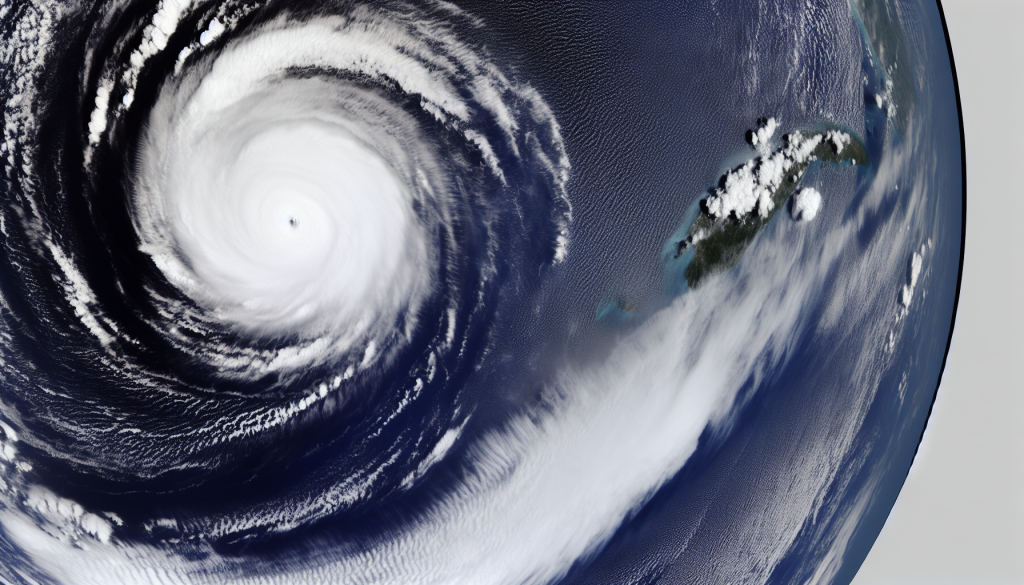
Super Typhoon Sinlaku is advancing toward the remote Mariana Islands in the northern Pacific Ocean, where the powerful system is expected to unleash destructive winds and torrential rainfall.
Sinlaku developed on April 9 and has become the most intense storm recorded so far in 2026. On Monday, it produced sustained winds reaching 278 km/hour (173 mph), according to reports from The Associated Press.
Storm Position and Strength
By midday Tuesday local time (02:00 GMT), the storm’s center was located about 68 nautical miles (126 km) southeast of Saipan in the Northern Mariana Islands. The US Joint Typhoon Warning System reported that Sinlaku was moving slowly, advancing at approximately 14 km/hour (9 mph).
Although the typhoon has shown signs of slight weakening and may pass near the Northern Mariana Islands as a Category 4 or even Category 5 system, officials caution that it remains highly dangerous. Guam’s Office of Civil Defence warned of widespread rainfall, potential flooding, and destructive winds capable of causing significant power outages.
Current forecasts suggest Guam is unlikely to experience a direct hit. However, the island is still expected to face sustained winds between 64 and 80 km/hour (40 to 50 mph), with gusts reaching up to 105 km/hour (65 mph).
“Guam remains under both a tropical storm warning and a typhoon watch. While the threat of typhoon-force winds has significantly decreased, this remains a serious weather situation,” the Civil Defence Office stated, adding that storm conditions are likely to persist through Wednesday.
Authorities also advised Guam’s approximately 170,000 residents to avoid coastal waters, as hazardous sea conditions are forecast to continue until Thursday.
Before shifting course toward Guam and the Northern Mariana Islands, Sinlaku caused considerable damage across the outer islands and atolls of Chuuk in the Federated States of Micronesia. Meteorologists in Guam reported that these areas experienced severe impacts as the storm passed.
Elsewhere in the Pacific region, Australia has pledged $1.75 million in aid to Papua New Guinea and the Solomon Islands following the devastation caused by Tropical Cyclone Maila earlier this week.
Cyclone Maila swept through the region over the weekend as a Category 5 storm, triggering floods and landslides that claimed at least 11 lives. Authorities continue to evaluate the full scale of destruction.
Papua New Guinea’s Prime Minister James Marape said that damage assessments are ongoing and that emergency teams are working to reach affected communities.
“Information is still arriving from various areas, but we are committed to reaching every island and every community impacted by this disaster,” he said.
A super typhoon is the designation used for the most powerful tropical cyclones that form in the northwestern Pacific Ocean, a region known for producing some of the strongest storms on the planet.