How a scorching, sunny day could spoil your vacation
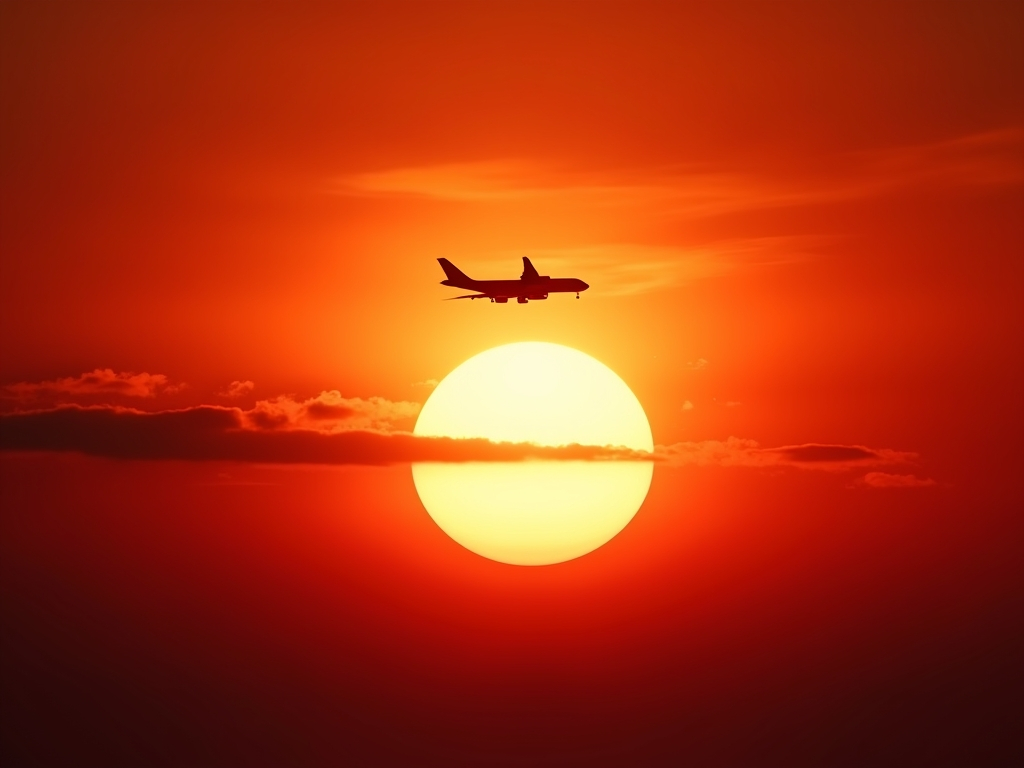
Passengers may be surprised to learn that a bright, scorching summer day can delay or even cancel a flight. Yet extreme heat can create serious challenges for aviation.
High temperatures reduce aircraft performance, potentially leading to delays, weight limits, additional fuel stops and, in certain situations, cancellations.
According to Embry-Riddle Aeronautical University professor Cary Grant, who flew for United Airlines for decades, a very hot day can disrupt operations much like snow or ice.
The explanation lies in the principles of aerodynamics.
Aircraft depend on dense air to help their engines produce thrust and their wings create the lift needed for takeoff.
As temperatures rise, air molecules move farther apart, causing the air to become thinner and less dense. In extreme heat, this makes taking off significantly more difficult.
Grant explained that engines need air to enter at the front before it can be forced out the back. With less air entering, less is expelled. Wings also require air to flow over them, and thinner air produces less lift.
Although the physics may sound complicated, airlines generally have two ways to achieve a safe departure: use more runway to build additional speed or decrease the aircraft’s weight.
However, many airports lack the available land or funding to lengthen their runways, making a lighter aircraft the only practical alternative.
The Federal Aviation Administration said airlines may lower takeoff weight by removing cargo or passengers. They can also carry less fuel to keep everyone on board, although that may require an extra stop for refueling before reaching the final destination.
In some circumstances, however, temperatures are simply too high for the aircraft to operate.
The FAA explained that heat can exceed the maximum temperature at which a plane was tested. If that occurs, the operating manual contains no approved performance data, meaning the aircraft cannot legally or safely depart.
Extreme heat does not only affect the airplane’s performance; it can also create difficulties for passengers and crew members.
Grant noted that heat influences engines and aircraft, but it also affects people. Just as individuals tend to perform less effectively when overheated, aviation workers may experience reduced performance in severe conditions.
Ground crews working at airports in hot regions can face punishing temperatures, requiring airlines to take steps to safeguard their well-being.
Southwest Airlines said it maintains a comprehensive heat-management program for employees, including access to sufficient drinking water and designated places where workers can cool down.
Airlines also try to keep conditions inside the passenger cabin as comfortable as possible.
Southwest added that flight attendants may ask travelers to lower their window shades as the aircraft approaches the gate, helping the cabin remain cooler while it is on the ground.
July was the hottest month recorded across the contiguous United States since nationwide records began in 1895, according to the National Oceanic and Atmospheric Administration.
During a recent extreme heat wave, American Airlines had to remove 32 passengers from a flight departing Las Vegas.
Passenger Jared Guynes said travelers were told that either 32 people would need to change their arrangements or everyone’s plans would be disrupted because the aircraft was physically unable to take off.
Heat-related aviation problems are becoming more frequent. The Environmental Protection Agency reports that heat waves have grown both hotter and more common in recent years.
As a result, travelers often have little option beyond preparing for possible delays, passenger removals or cancellations during periods of extreme heat.
Grant advised passengers not to panic, emphasizing that safety remains every airline’s primary concern. His main recommendation is to stay flexible and make use of any assistance or compensation the airline may provide when travel plans change.