7 Popular Places Around the World You Should Avoid This Fall: What’s Wrong with Them
Many famous destinations are struggling under the pressure of excessive visitor numbers. No matter how appealing these places may be, there are times when travelers should consider postponing a trip.
Overtourism damages destinations and affects local communities by disrupting everyday life and putting additional strain on limited resources. At the same time, visitors often cannot fully appreciate overcrowded attractions where prices have risen sharply.
There are also other reasons why certain destinations may become less suitable for a vacation, including construction projects, complicated regulations, transportation problems, and natural events.
Travel experts have identified seven popular destinations that may be better avoided for various reasons in autumn 2026.
1. Grand Canyon National Park, Arizona, USA
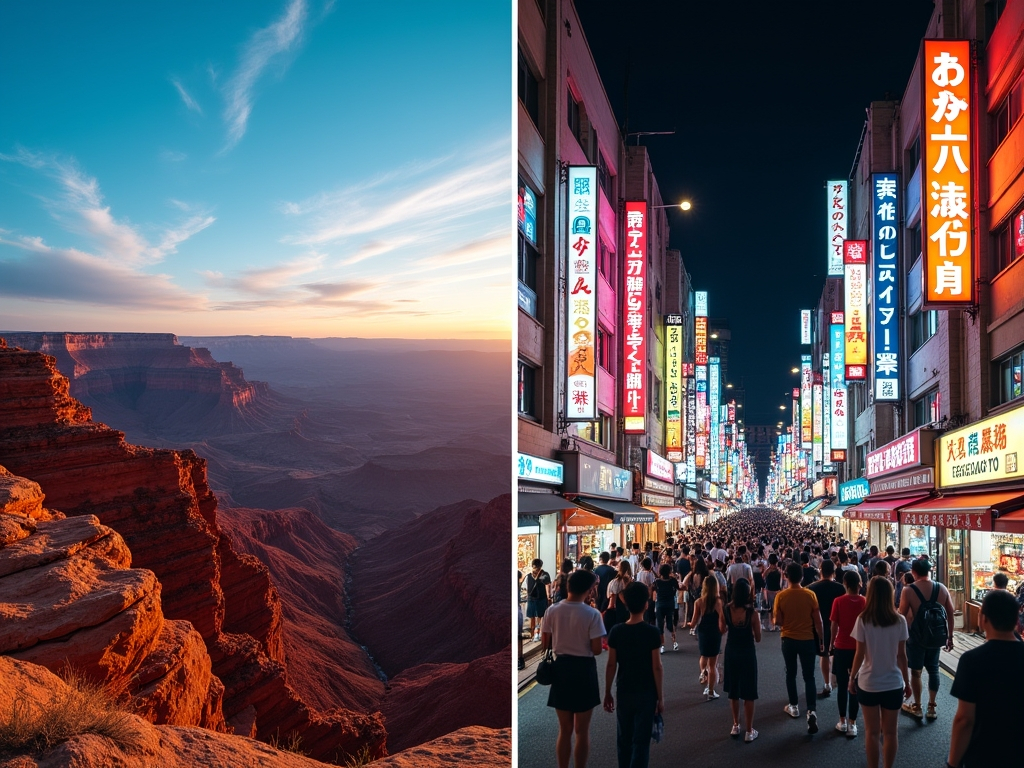
Seeing the Grand Canyon is a lifelong dream for many travelers. However, one of its signature experiences may be unavailable this autumn: hiking through the inner canyon. In addition to offering spectacular scenery, the route provides some relief from the intense summer heat. Major work is still underway as part of the multimillion-dollar Transcanyon Waterline project. Although sections of the River Trail may open periodically, the National Park Service plans to close the North Kaibab Trail from October 15, 2026. Hikers could therefore encounter construction barriers that disrupt the classic rim-to-rim journey and block important loop routes.
As an alternative, travelers can consider Sedona, also in Arizona. The surrounding area offers magnificent hikes through red-rock canyons without construction barriers, including the celebrated Cathedral Rock and Devil’s Bridge trails.
2. Tokyo and Kyoto, Japan
Visitors may face extremely long lines at Japan’s largest airports this autumn as the country revises several tourism rules, potentially turning a vacation into an administrative headache. Japan is moving away from its familiar in-store tax exemption for foreign shoppers. Instead of receiving a 10% reduction at the register, tourists may need to pay the full amount and later queue at airport customs to scan their passports and request a refund before departure, much like the system used in parts of Europe. Combined with strict penalties for entering protected residential areas in Kyoto and increasing accommodation taxes, these changes could diminish the overall travel experience.
Taipei, Taiwan, offers a more straightforward urban adventure in Asia. Visitors can explore outstanding night markets, modern shopping districts, acclaimed street food, and beautiful mountain teahouses, all within a welcoming atmosphere and without complicated checkout procedures.
3. Santorini and Mykonos, Greece
Many travelers book Mediterranean cruises in October to escape the summer heat and reduce costs. However, Greek authorities have introduced substantial overtourism charges, particularly for cruise passengers, who may now have to pay €12 per person simply to enter these destinations. Prices for local excursions and port services have also increased significantly.
Paros is a worthwhile alternative. It offers similarly iconic whitewashed villages, unspoiled golden beaches, and lively harborfront restaurants, but in a more relaxed and authentic setting with fewer additional charges.
4. Dubai, UAE
The Emirates, long regarded as peaceful and prosperous, are feeling the effects of continuing regional tensions. Dubai has traditionally been a leading destination for luxurious sunshine breaks once the desert heat begins to ease in late autumn. However, instability in the wider region and changing airspace restrictions near the Strait of Hormuz can force commercial airlines to adjust routes across the Middle East. Travelers may consequently face sudden cancellations, missed connections, and unexpected airport delays lasting several hours, potentially ruining a short vacation.
Muscat in Oman is another option. Located away from the busiest aviation hubs, it provides a calm and generally secure introduction to traditional Arabian culture.
5. The Norwegian Fjords
Norway’s stricter environmental standards have placed considerable pressure on the regional marine tourism industry this season. Local sightseeing boats and ferries operating within the UNESCO-listed Geirangerfjord are now expected to be fully environmentally friendly. While large international cruise ships have received an extension until 2032, smaller operators have had to retire vessels that no longer meet the requirements. Because local battery and charging infrastructure has not developed as quickly as the regulations, the number of places on day trips has fallen sharply. Independent excursion tickets may be exceptionally difficult to secure this autumn, while the remaining low-emission tours can sell out months ahead at very high prices.
Travelers could instead plan an autumn visit to Lake Como in Italy. October brings fewer crowds, lakeside promenades framed by colorful foliage, and a historic public ferry network that continues to operate on a busy autumn schedule. Visitors can easily travel between elegant villas, charming communities, and dramatic Alpine landscapes.
6. Palma de Mallorca, Spain
Intense demonstrations against mass tourism in Mallorca attracted worldwide attention throughout the summer, and there is little indication that tensions will disappear by autumn. Local campaign groups continue to organize protests against short-term rentals and heavy visitor concentrations. This has contributed to anti-tourism graffiti and an uncomfortable atmosphere in some of the island’s most popular historic neighborhoods.
Valencia is a strong alternative and remains welcoming to visitors. The city combines an impressive coastal food scene, historic landmarks, futuristic architecture, and some of the world’s finest authentic paella in a hospitable environment.
7. Riviera Maya, Mexico
Travelers heading to Mexico’s Caribbean coast for an autumn beach vacation may encounter an unpleasant surprise. The region is currently dealing with an unusually extensive sargassum bloom. Thick layers of decomposing seaweed can cover the sand, cloud the turquoise water, and produce a powerful odor. Guests paying premium prices for luxury all-inclusive hotels may find themselves spending most of their holiday beside the resort pool. Although seaweed levels generally decline in autumn, experts believe the process could take longer this year. Beach stays in Tulum and Playa del Carmen may therefore be worth postponing until December, when clearer water is more likely.
Those who do not want to wait could choose Cancun’s hotel zone or Isla Mujeres, where ocean currents and geography usually result in considerably less seaweed accumulation. Los Cabos is another possibility, offering dramatic scenery where the desert meets the sea, excellent luxury resorts, and striking beaches along the Pacific Ocean and the Sea of Cortez.
Where to Travel in Autumn 2026
For an enjoyable shoulder-season escape in 2026, travelers may want to prioritize destinations with manageable visitor numbers, reliable transportation, open attractions, and fewer administrative complications.
Less crowded alternatives can often provide scenery, cuisine, and cultural experiences comparable to those of world-famous destinations, while offering better value and a more relaxed atmosphere.