
Deposed Bangladeshi leader Sheikh Hasina given death sentence for crimes against humanity
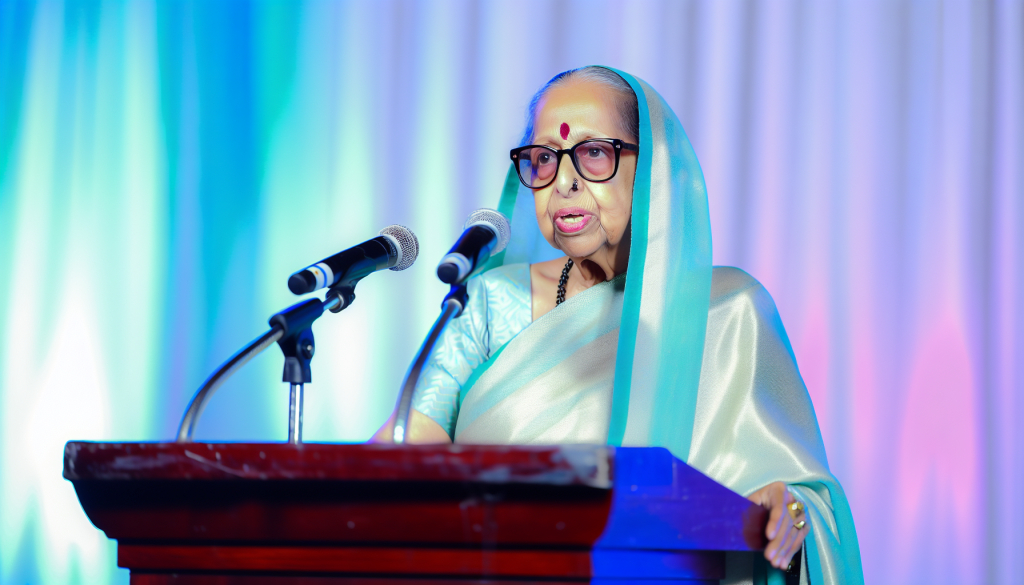
Sheikh Hasina, the former Prime Minister of Bangladesh, has been sentenced to death after being convicted of crimes against humanity related to the violent suppression of student-led protests last year, which culminated in the fall of her administration.
On Monday, a three-judge panel of the International Crimes Tribunal, a domestic war crimes court in Bangladesh, ruled that Hasina was responsible for orchestrating a violent crackdown by security forces, resulting in widespread deaths outside any legal framework.
The courtroom erupted in applause from some victims’ relatives as the judgment was read out.
“Sheikh Hasina was found to be directly responsible for crimes against humanity through her orders and failure to take action to stop the killings,” said one of the judges while delivering the verdict.
The judges highlighted that the former Prime Minister had clearly urged her party loyalists to “eliminate” protesting students and had authorized the use of force to quash dissent.
The protests originally emerged in response to employment quotas in civil service recruitment but quickly escalated into a broader demand for regime change. According to UN reports, an estimated 1,400 people were killed and over 25,000 injured during the government's forceful response.
Hasina was charged with five main counts, including encouraging murders, instructing security forces to hang protestors, and authorizing the use of lethal force including drones and helicopters. She has denied all allegations.
Having led the country since 2009, Hasina’s government was overthrown in 2024. The recent ruling is expected to fuel further political instability ahead of general elections anticipated early next year.
After being deposed, Hasina relocated to New Delhi in August of last year and has been living there in self-imposed exile. She was not present at the court session in Dhaka.
Her legal team criticized the trial, citing various legal flaws and last week submitted a formal complaint to the United Nations Special Rapporteur, alleging serious violations of fair trial standards.
The transitional administration currently governing Bangladesh has officially requested Hasina’s extradition, although Indian authorities have yet to respond.
Tensions Rise Before Verdict
Violence broke out in Dhaka on the eve of the verdict. Police reported several incidents where Molotov cocktails were hurled from motorbikes throughout the city.
In response, heavy security was deployed, including riot squads, armored vehicles, and patrols by specialized police units around key infrastructure and government offices.
On Sunday, Hasina’s son warned in an interview that unless the ban on the Awami League was lifted, the party and its supporters would obstruct the upcoming elections, possibly leading to unrest.
“There will be no elections without the Awami League,” he declared. “Our resistance will intensify. If there’s no international intervention, things could spiral into violence as the elections near.”
Hasina's political trajectory has paralleled that of Bangladesh itself—a journey marked by exile, tragedy, and power. While she led the country through significant economic growth, her leadership was marred by persistent allegations of corruption, authoritarianism, and human rights abuses.
Political Legacy
The daughter of Sheikh Mujibur Rahman, Bangladesh's founding father, Hasina became involved in politics early, witnessing her country’s struggle for independence from Pakistan.
After a military coup in 1975 that claimed the lives of her father, mother, and three brothers, Hasina fled into exile but returned in 1981 to lead the Awami League. She first became Prime Minister after the 1996 election victory and later held office from 2009 until 2024.
Her era was marked by impressive economic achievements, but critics said she steered the nation toward a one-party state. Reports of voter suppression, attacks on media, and arrests of opposition figures raised international concerns.
Under her administration, laws aimed at ensuring cybersecurity were often used to curb online expression, with arrests of journalists and artists becoming more frequent. Human rights organizations also cited cases of arbitrary detention and torture.
Despite overcoming previous waves of protests, her administration was ultimately brought down by a youth-led movement that captured massive public support last year.
Many of Hasina’s close allies, including her relatives and former cabinet members, have fled and are now living abroad.
Her supporters argue that the legal actions against her are politically motivated efforts to bar her from returning to public life. The Awami League has been prohibited from participating in political activities while investigations and trials continue.
In contrast, the interim government under Nobel Peace Prize laureate Muhammad Yunus defends the ongoing proceedings as necessary for promoting transparency and restoring faith in the country’s political institutions.
This story is evolving and will be updated as new information becomes available.



