
Putin’s Position Heads to Kyiv with Witkoff and Kushner: WP Reveals Some Details
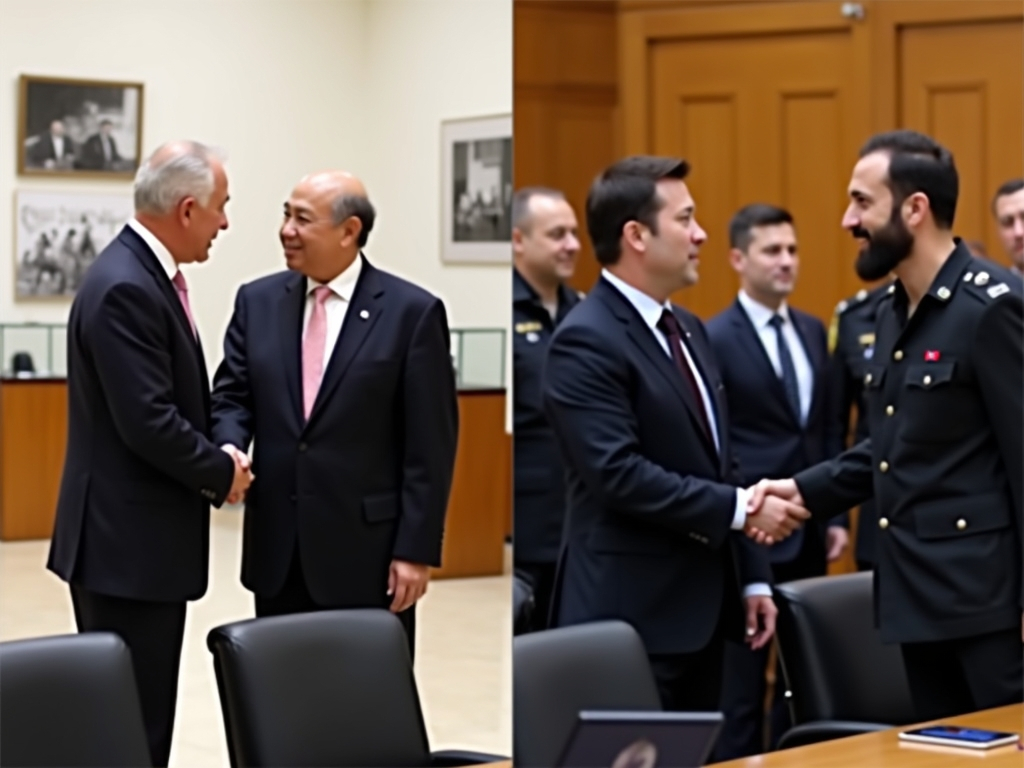
US envoys Steve Witkoff and Jared Kushner met with Kremlin leader Vladimir Putin in Moscow on Saturday as part of an effort to restart peace talks with Ukraine after nearly eight months of deep stagnation.
The visit was the eighth trip to Russia by representatives of US President Donald Trump. Their previous visit took place in January, and negotiations had largely remained frozen since then as the US administration shifted much of its attention to the war with Iran.
Putin opened the Kremlin meeting by expressing gratitude to Trump. “Before we begin, I would like to ask you to pass on my best wishes and words of appreciation to the president of the United States, Donald Trump,” he said. Putin added that, while Trump was operating in a difficult environment, he had continued trying to promote a settlement of the Russian-Ukrainian war.
Putin’s foreign policy adviser Yuri Ushakov said Witkoff and Kushner had presented “a number of ideas regarding possible paths toward a settlement.” He added that the envoys planned to take Putin’s comments into account during their expected visit to Kyiv the following day.
Trump himself offered a highly personal explanation for the stalled diplomacy on Friday. He said the relationship between Russia and Ukraine was complicated by the hostility between Ukrainian President Volodymyr Zelenskyy and Putin. According to Trump, the two leaders deeply dislike each other, and that animosity has become an obstacle to negotiations.
Talks resume after escalation
The meeting took place amid renewed attention to ending the war, after the diplomatic process had been pushed aside by the US conflict with Iran. Last month, CIA Director John Ratcliffe made an unusual trip to Moscow, where he reportedly warned Russian intelligence officials that further escalation could ultimately work against Russia.
According to three sources familiar with those discussions, Ratcliffe urged Moscow to return to talks and argued that Russia’s position was weak and could deteriorate further over time.
Putin, however, maintained a hard public tone this week. Following a China-led regional security summit on Wednesday, he described Ukraine’s recent threats to restrict Russian airspace for carriers as “a call for state terrorism.” He said that “terrorists are not negotiated with,” though he immediately added that Trump’s negotiators would always be welcome in Russia.
Meanwhile, the situation at the front has intensified considerably since the US envoys’ last visit in January. Russia has expanded its drone strike campaign against Ukraine, increasingly using jet-powered Geran drones that are more difficult to intercept than earlier models.
Observers say prolonged waves of attacks have forced Kyiv to announce daytime air raid alerts that were previously uncommon. Strikes on supermarkets and food warehouses have also contributed to shortages of essential supplies. Ukraine’s difficulties are compounded by a lack of interceptor missiles for US-made Patriot systems, which Kyiv considers among the few weapons capable of effectively countering Russian ballistic missiles.
Zelenskyy, for his part, warned that “safe days in Russia’s skies are over,” advising airlines to avoid Russian airspace as Ukraine expands long-range drone attacks against oil refineries and logistical facilities inside Russia.
Against this backdrop, Witkoff and Kushner are expected to travel to Kyiv after their Moscow visit. It would be their first trip to the Ukrainian capital. Zelenskyy said the purpose of the meeting was to make negotiations “as constructive and substantive as possible,” adding that real options were needed to bring the war to an end.
Other developments in the war in Ukraine
Earlier, military expert Ivan Stupak said there was little reason to expect a breakthrough from the US envoys’ visit. In his view, the representatives have limited influence and have not produced tangible results from their previous trips to Moscow or elsewhere.
Russia has also reportedly adjusted its strike tactics ahead of winter, creating additional risks for Kyiv. The newer approach has already increased logistical pressure and disrupted the work of public services in the capital.
You may also be interested in:
• Senior French politicians clash over continued assistance for Ukraine
• Europe faces serious challenges in sustaining a prolonged conflict with Russia
• Europe remains dependent on Russian LNG, while Ukraine seeks ways to reduce that reliance



