Council seeks ban on standing in pubs across London’s Soho and West End
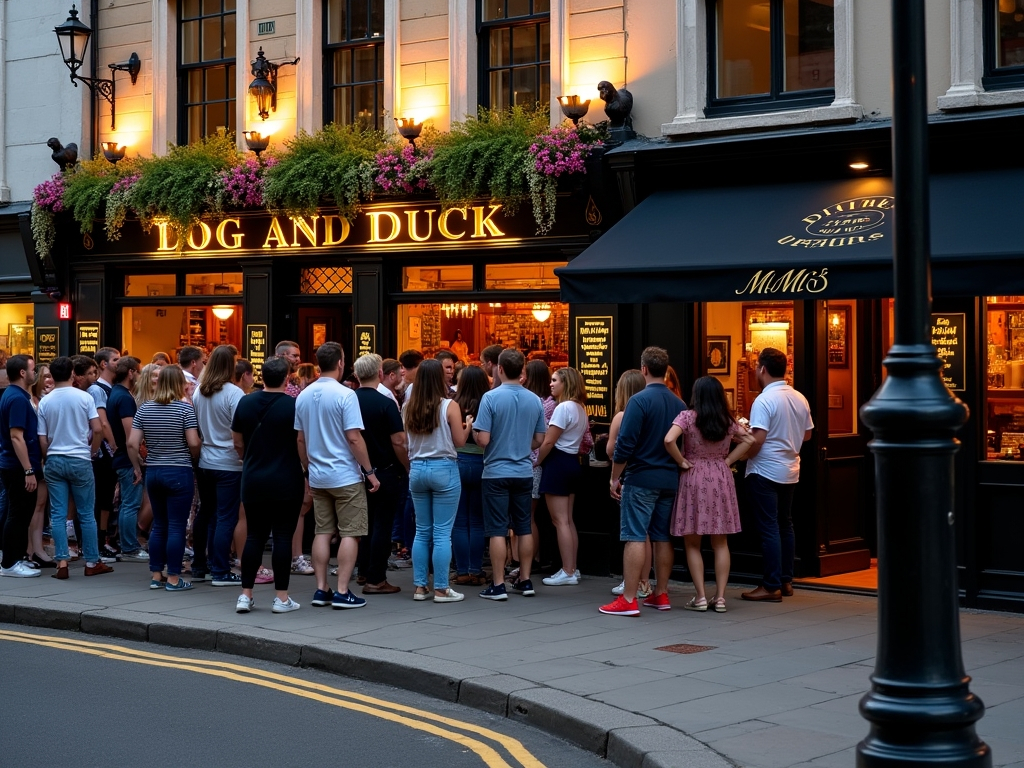
For generations, a typical visit to a British pub has meant waiting at the bar, trying to catch the bartender’s attention to order a pint, and then returning to stand with friends for a chat. This informal, bustling atmosphere has long defined the traditional pub experience.
However, Westminster city council has been accused of attempting to change that custom. The council, which oversees one of Europe’s busiest nightlife areas – including Soho and the West End – has proposed discouraging what it describes as “vertical drinking,” meaning customers standing while drinking or ordering directly at the bar, in its new draft licensing policy.
London mayor Sadiq Khan has criticised the proposals, calling them restrictive and harmful to economic growth. He has expressed hope that new powers expected to be granted to him by the government will allow him to intervene if councils impose measures he believes go too far.
The draft policy, currently open for public consultation among residents and visitors to Westminster, advises pubs to “discourage excessive drunkenness” and promote additional seating so patrons can sit while drinking and order food through table service instead of relying on open bar areas designed for high volumes of standing customers. It further recommends that alcohol and food be served exclusively by waiters and waitresses.
Leading licensing lawyer Philip Kolvin KC argued that standing in pubs is not merely about drinking but about social interaction. He explained that standing allows people to move freely and mingle beyond their immediate group, rather than remaining confined to those they arrived with. In his view, such restrictions could undermine the traditional role of pubs as spaces that foster community and spontaneous social connection.
The council also intends to prevent new pubs and bars from opening within what it calls the “cumulative impact zone,” covering Soho and much of the West End. According to the draft policy, applications for new pubs, bars, fast food outlets, or venues offering music and dancing within this zone will generally be refused.
A spokesperson for the mayor stated that such measures illustrate how restrictive policies can hinder the hospitality sector. At a time when venues are facing significant challenges, the spokesperson argued that licensing rules should not add further pressure. The new powers expected to be granted to the mayor would allow him to review certain licensing decisions and influence local policies affecting London’s nightlife and hospitality industries.
These powers are set to be introduced through secondary legislation anticipated later this year, enabling the mayor to “call in” specific decisions made by local authorities.
The debate follows criticism from Khan directed at a community group supported by the council, which has reportedly pledged to oppose new bar and restaurant licence applications in the area.
The Soho Society, founded in 1972 to preserve the character of Soho, voted at its annual meeting this summer to adopt a stronger licensing stance. This means it will challenge all new applications for bars and restaurants in the neighbourhood, as well as seek reviews of existing licences. The group also plans to object to venues applying to operate beyond what the council defines as “core hours,” which generally end between 10.30pm and midnight depending on the type of business and the day.
Entrepreneur Sacha Lord, formerly an adviser on night-time economy issues in Greater Manchester, criticised the council’s draft policy. He claimed the proposals effectively discourage standing in pubs and prevent ordering at the bar, comparing the approach to restrictions seen during the pandemic.
Michael Kill, chief executive of the Night Time Industries Association, emphasised that standing has always been integral to British pub culture. He noted that it enables people to meet friends, watch live sport, wait to be served, and enjoy the distinctive atmosphere pubs have offered for generations.
He warned that encouraging more seating and limiting standing space could fundamentally alter the character of these venues. Such changes, he said, might also reduce capacity, increase costs, and limit flexibility for businesses already facing financial strain.
Tim Barnes, deputy leader of Westminster city council and cabinet member for growth and planning, responded that the council wants people to enjoy nights out in the West End. He explained that the guidance is intended to help venues manage customers responsibly, preventing overcrowding on pavements and reducing disturbances caused by excessive drinking.
He added that the cumulative impact zone is formally recognised as an area with a particularly high concentration of licensed premises, and that both local and London-wide planning policies address this. Each licence application, he stressed, is assessed individually on its merits, and new venues continue to open in the area.