Struggle for overseas influence: Pakistan courts expatriates to challenge Imran Khan’s hold
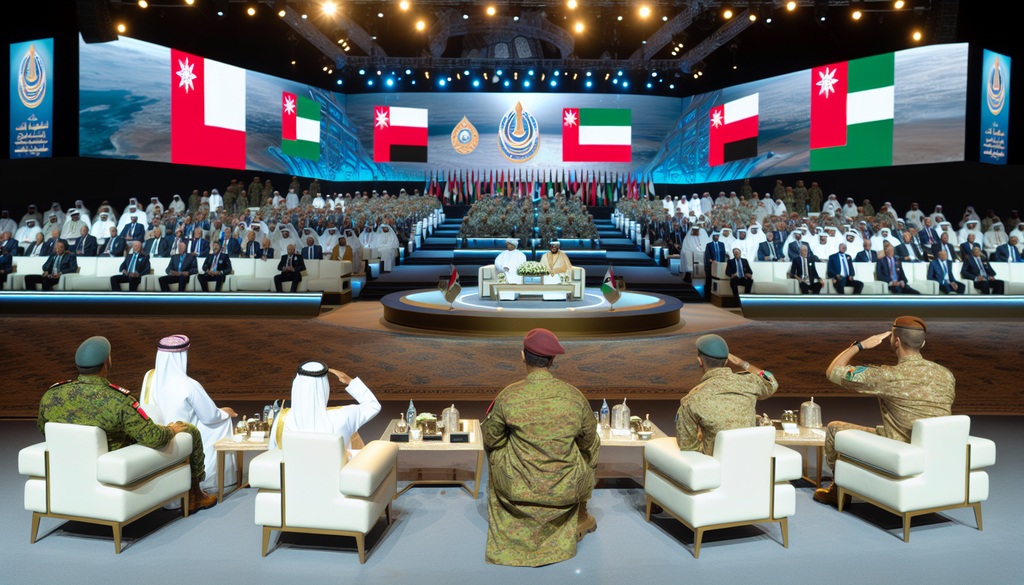
Islamabad, Pakistan – Inside the vast expanse of Islamabad’s Jinnah Convention Centre, Prime Minister Shehbaz Sharif praised overseas Pakistanis, calling them the “nation’s pride” and applauding their “remarkable contributions” to their homeland despite living abroad.
But Sharif didn’t stop at mere praise. Addressing over a thousand expatriates during the Overseas Pakistanis Convention on April 15, he unveiled a series of initiatives aimed at supporting the diaspora in practical ways.
Recommended Stories
Imran Khan’s remittance challenge: Losing ground to the government?
Turning point: US hearings bring Pakistan’s complexities to the fore
Why Trump backers are rallying behind Pakistan’s Imran Khan
Trump’s return: Will it alter US-Pakistan dynamics under Khan and China?
Among the promised measures were the establishment of exclusive courts to streamline legal cases involving overseas Pakistanis, prioritized immigration processing at airports, reserved quotas in educational institutions, and tax incentives. Sharif also announced an annual recognition program to honor 15 distinguished Pakistanis living abroad.
“It’s undeniable that the global community of 10 million Pakistanis has earned respect through sheer hard work, enhancing our country’s image worldwide,” Sharif declared.
Yet, analysts argue that these gestures extend beyond goodwill—serving as strategic moves in a political contest with former Prime Minister Imran Khan to win the support of the diaspora.
The Pakistan Tehreek-e-Insaf (PTI), led by Khan, is reputed to command significant backing among overseas Pakistanis, a factor that influences perceptions in Western power centers and affects international views of Pakistan’s domestic politics.
Observers now say Sharif’s government is keen to reduce Khan’s strong resonance among Pakistanis abroad.
“The main objectives of the convention were to weaken Imran Khan’s long-standing hold over the diaspora and to spark fresh interest in investing in Pakistan,” stated Maleeha Lodhi, a former Pakistani ambassador to the US, in an interview with Al Jazeera.
Why diaspora sway is crucial
Supporters of PTI within the diaspora often hold influential positions, especially in countries like the US and UK, which host approximately 700,000 and 1.6 million Pakistani-origin citizens, respectively.
Khan was removed from office in April 2022 following a no-confidence vote in Parliament. Since August 2023, he has been incarcerated on various legal charges, as his party faces mounting pressure and widespread arrests.
Following the February 2024 elections, PTI claimed widespread vote-rigging, alleging that their victory was “stolen.” While the government and military have dismissed these claims, they have found traction with many, both in Pakistan and overseas.
These developments spurred lobbying efforts in the US, culminating in a March congressional hearing focused on Pakistan’s democratic future.
The hearing came after bipartisan calls urging then-President Joe Biden and Secretary of State Antony Blinken to scrutinize election transparency in Pakistan.
Later in October, over 60 Democratic senators appealed to the White House, pressing for Khan’s release.
PTI insiders even hope that a second Trump administration, given his previous rapport with Khan, might respond to diaspora advocacy and secure his release.
Arif Ansar, chief strategist at PoliTact in Washington, DC, acknowledged the diaspora’s effectiveness in steering attention toward their concerns.
“Diaspora lobbying has been impactful, pushing policymakers in Pakistan to re-engage constructively rather than confrontationally with overseas communities,” he said. The term “establishment,” he noted, commonly refers to the country’s powerful military.
However, Ansar added that the administration may also be trying to show that PTI doesn’t represent the entire diaspora.
“There are diverse voices among overseas Pakistanis. The government likely wants to foster an alternative narrative,” he noted.
A challenge to PTI dominance
Islamabad-based political analyst Talat Hussain suggested the government used the convention to broaden its appeal among expatriates, making them integral to the country's political and economic strategies.
“PTI has long claimed to dominate political sentiment among expats, a story amplified by digital platforms. These kinds of engagements push back against those assertions,” Hussain explained.
Recent signs suggest Khan’s sway over the diaspora may not be as dominant as assumed.
In December, he urged overseas Pakistanis to stop remitting funds as part of a civil disobedience campaign. But by 2024, Pakistan had received its highest annual remittance ever—$34.1bn—a 32 percent jump from the previous year’s $26bn.
And on the eve of the convention, Jamil Ahmed, governor of Pakistan’s central bank, revealed that March had seen the largest monthly remittance inflow—over $4bn.
“If remittance levels are any indication, PTI’s claims of diaspora allegiance fall short,” Hussain observed.
“Despite repeated calls from Khan to boycott sending money, expats have consistently contributed, clearly contradicting party assertions,” he added.
‘Consider me your CEO’
Many experts agree with Lodhi: the government is not just extending gratitude, but actively seeking diaspora investment.
Sharif expressed his appreciation for their economic support and pledged to personally oversee their business interests in Pakistan.
“Consider me your CEO. My administration and the local business sector will safeguard and promote your investments,” he assured the audience.
Nonetheless, skepticism remains over whether the diaspora trusts an economy that many locals are choosing to leave behind.
Government statistics reveal that around three million citizens have emigrated over the past five years, fueling discussions of a growing “brain drain.”
Yet, Pakistan’s army chief, General Syed Asim Munir—arguably the nation’s most powerful figure—framed it as an opportunity.
“What some call ‘brain drain’ is, in fact, ‘brain gain’ for Pakistan,” Munir declared at the convention on Tuesday.