Five remarkable nocturnal adventures across the globe
From flaming cultural celebrations to nature's awe-inspiring "sky dance," fascination with nighttime landscapes is on the rise. A new trend called "noctourism" is predicted to dominate travel explorations in 2025.
The allure of the night sky is surging in popularity. According to Booking.com, "noctourism" will be one of the standout travel trends for 2025. Their survey of over 27,000 travelers revealed that nearly two-thirds are interested in visiting "darker sky destinations" to enjoy activities like starbathing—lying beneath the stars—and witnessing rare cosmic phenomena.
"What’s captivating about nighttime adventures is that they reveal completely different sides of a destination simply by staying up late or waking before dawn," says Stephanie Vermillon, author of 100 Nights Of A Lifetime: The World's Ultimate Adventures After Dark. “At night, our senses become sharper, and the unfamiliar setting makes everything feel both thrilling and fresh.”
Vermillon recalls how her journey into nocturnal exploration began during a 2010 trip to Morocco. "Growing up in Dayton, Ohio, the light pollution was awful," she tells the BBC. "But when I traveled to the Sahara Desert and camped under the stars, I witnessed the Milky Way and at least two dozen shooting stars. That experience sparked something in me. I returned home, enrolled in an astronomy course, and later went on to chase the Northern Lights. This hobby eventually opened my eyes to the wonders that nightfall brings around the globe."
She believes events like the April 2024 total solar eclipse and the peak aurora activity of 2024-2025 have significantly heightened global interest in dark skies. The world now has over 200 designated Dark Sky Reserves. "Staring at the night sky offers a unique sense of perspective; it’s humbling and grounding," Vermillon says. "It evokes pure awe."
While celestial spectacles like starry heavens and the aurora borealis are prime attractions, there’s so much more to embrace after dark. "Cities transform at night," Vermillon notes. "It’s like they let their guard down—there’s a certain ease to them. I’ve experienced night safaris where the focus was on listening rather than viewing, and I’ve swum among glowing bioluminescent waters that seemed downright magical. Nighttime shows a bit of extra sparkle in everything."
Below are five of Vermillon’s most recommended nighttime experiences, spanning fiery festivals to celestial marvels.
1. Dancing Lights of the Arctic Sky
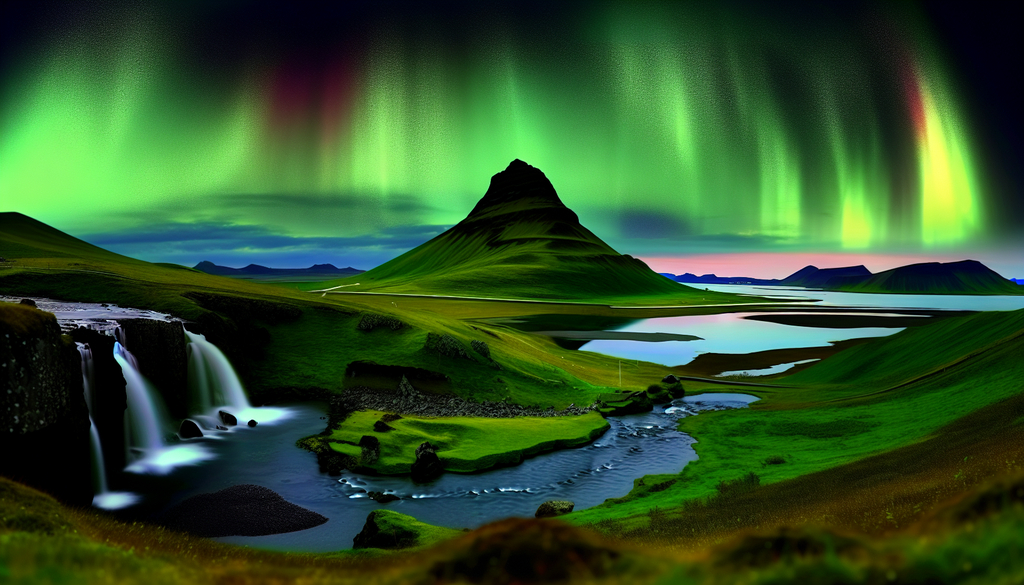
One of the most breathtaking phenomena on Earth is the aurora borealis, or Northern Lights—created when charged solar particles collide with Earth’s atmosphere near the magnetic poles. Iceland provides an exceptional vantage point for this spectacle, particularly between September and April. During this season, vibrant ribbons of color streak the skies on over 100 nights, weather permitting. "No other natural event has given me chills like watching the Northern Lights," Vermillon says. "It’s truly like watching nature perform a dance—it’s mesmerizing."
Strong auroras are visible to the naked eye, but photographers often capture astounding shots using long exposure techniques. Experiencing this might mean bundling up and waiting atop frosty hills or glaciers far from civilization. For those who prefer comfort, Iceland’s geothermal hot pools offer a cozier alternative. “You can admire the Northern Lights while soaking in naturally heated water,” Vermillon explains. "The pools are typically over 100°F (38°C), so while the air frosts your hair, the water warms you from within."
She recommends places like Ion Adventure Hotel in Selfoss, where outdoor pools boast views of lava fields and snow-draped mountains, plus a Northern Lights Bar. Another standout is Heydalur, a rustic guesthouse in the Westfjords surrounded by Icelandic horses and open-air hot pools under the stars.
2. Shetland's Fiery Up Helly Aa
Perched in the North Sea, the Shetland Islands are part of Scotland but have deep ties to Scandinavian heritage. The annual Up Helly Aa festival in Lerwick, Shetland’s capital, is a fiery extravaganza celebrating the archipelago’s Viking past. Historically settled in the 8th and 9th centuries, Vikings farmed here for over 600 years before the islands joined Scotland in the 15th century.
The festival culminates in a torch-lit parade featuring about 1,000 "guizers" (participants) donning Viking outfits and elaborate costumes. They carry a full-scale Viking longship, which is ceremonially set ablaze. Later, community halls and pubs come alive with music, dancing, and festivities lasting well into the morning.
"Despite feeling ancient, the festival is only about 200 years old," Vermillon says. "It’s an homage to their Viking heritage and highlights pride in local roots. What really sets it apart, though, are the visuals: darkness, flames, and tradition." Smaller versions of Up Helly Aa occur across Shetland from January through March. Additionally, thanks to Shetland's proximity to the Arctic Circle, winter skies often host the aurora, known locally as the "mirrie dancers."
3. Stargazing in the Atacama Desert
In northern Chile, the Atacama Desert—the driest nonpolar desert on Earth—offers incredible stargazing opportunities. High altitudes, minimal humidity, and around 300 clear nights annually make it a hub for astronomers. Among its most notable features is the Atacama Large Millimeter/submillimeter Array (ALMA), a cutting-edge telescope system studying cosmic mysteries.
"Atacama has the clearest skies I’ve ever experienced, along with prolonged stretches of cloud-free nights," says Vermillon. She highlights activities like astrophotography tours, archaeoastronomy sessions combining Indigenous lore with astronomy, and private observatories teaching visitors about Southern Hemisphere constellations.
For the ultimate stargazing experience, visit around a new moon, when skies are darkest. "The sheer number of visible stars is overwhelming," Vermillon shares. "Between the constellations and the desert's surreal landscape, it feels like being on Mars. Interestingly, NASA tests Mars missions here due to Atacama’s uncanny resemblance to the Red Planet. It’s simply extraordinary."
4. Nocturnal Wildlife Safaris in Zambia
Wildlife "breaking news" comes alive on a night safari. Many animals come alive after dark—especially predators like lions and leopards, which remain inactive during the day’s heat. Zambia is a top destination for this experience, with parks like South Luangwa, Lower Zambezi, and Kafue (Zambia’s oldest and largest national park) offering amazing encounters.
"Spotting a leopard prowling at night is an entirely different experience," Vermillon explains. "Hyenas also reveal their cunning and mischievous character after dark. I’ll never forget watching one circle a lion, waiting to steal its kill." She also loves the charm of bush babies, whose cartoonish eyes and oversized ears make them a common—but delightful—sighting. Night safaris add the magic of sound to the visual spectacle, from distant lion roars to hyena cackles. "It’s an immersive experience; you’re truly part of the nocturnal animal kingdom," she says.
5. Bustling Night Markets in Taiwan
The vibrant night markets of Taiwan offer a sensory overload, with tantalizing smells leading visitors to culinary treasures. These markets, numbering over 100 across the island, feature food stalls selling local delicacies, known as xiaochi, or "little eats."
Many of these markets are closely tied to historic temples, with vendors originally popping up to serve worshippers. "The markets feel authentic and community-oriented," Vermillon explains. "People gather there post-temple services to eat and socialize."
In Taipei, notable markets include the popular Shilin Night Market, famous for its oyster omelet, and Raohe Night Market, known for its Fuzhou black pepper buns. Brave foodies should also try "stinky tofu"—a fermented dish beloved for its bold aroma and flavor. Alongside food, the markets offer clothing, art, and handcrafted souvenirs. Just remember to bring your patience, as lines at popular stalls can stretch long into the night.
Stephanie Vermillon’s book 100 Nights of a Lifetime: The World's Ultimate Adventures After Dark, published by National Geographic, further explores these exciting nocturnal journeys.
--
If you enjoyed this article, subscribe to The Essential List newsletter for a curated selection of must-read stories, features, and videos delivered twice weekly straight to your inbox.
For additional travel inspirations, follow the BBC Travel team on Facebook, X, and Instagram.