From chic Marseille to a photographic feast in Arles – an artistic journey across Provence
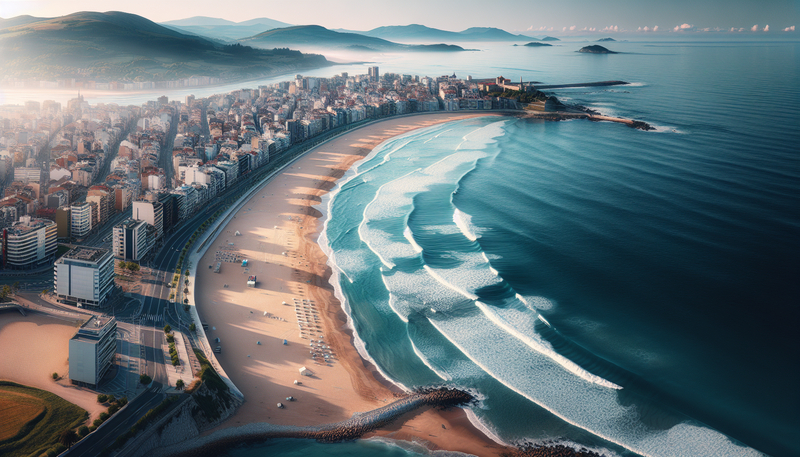
My wife and I relocated from London to Marseille just over five years ago, back when our British passports still granted us the right to live in France. During that first winter, standing on the beach in short sleeves while our daughters splashed in the jewel-toned Mediterranean beneath a cloudless sky, I finally understood why artists have long been drawn to this stretch of southern France.
I was reminded of that feeling while talking with the painter Fanny Nushka and her husband, the sailor Benoît Bouchet, on the terrace of Café la Muse in what is often described as Marseille’s trendiest district. Fanny told me, “It took me a long time to return to painting blue. It’s like living in Paris and painting the Eiffel Tower. For a local artist, painting the Calanques can feel risky.”
We chose Marseille for the same reason many artists have: it remains relatively affordable. That affordability allows Fanny to dedicate herself fully to painting and enables Benoît to sail without spending weeks away from his family. He captains daily catered cruises aboard Le Don du Vent, a listed sailing yacht. For €135, guests enjoy a slice of Mediterranean elegance — swimming and snorkelling in pristine coves, basking in the sun, and pausing for wine and a freshly prepared onboard lunch.
Céline Ghisleri, co-president of Provence Contemporary Art, which brings together 62 arts organisations across the region, explains that Marseille has always had a lively creative spirit. The decisive moment, however, came in 2013 when the city was named European Capital of Culture. Since then, major institutions such as Frac Sud, the Museum of Contemporary Art, and the Museum of European and Mediterranean Civilisations (Mucem) have broadened their programmes, hosting ambitious exhibitions by internationally recognised artists.
This summer, Mucem presents Bonnes Mères, an exploration of motherhood through contemporary and historical works, alongside Clément Cogitore’s intriguing Ferdinandea, l’île éphémère, which reflects on the fleeting existence of a volcanic island in the Mediterranean. In late August, the Art-O-Rama fair takes over La Friche La Belle de Mai. Once a tobacco factory, La Friche has become a sprawling multidisciplinary arts complex that hums with activity. In summer, its rooftop fills with film screenings and food trucks. It perfectly captures Marseille’s creative energy: unruly, vibrant and unexpectedly harmonious.
Beyond Marseille, Plein Sud — a network of contemporary art organisations stretching from Monaco to Montpellier — produces curated travel routes. Through it, I discovered the elegant Gallifet art centre in nearby Aix-en-Provence, just 40 minutes away yet worlds apart in atmosphere.
Aix feels far removed from Marseille’s gritty port-city pulse. At the daily market in Place Richelme, you can sip coffee and, if fortunate, secure an outdoor table at Maison Weibel’s patisserie and tea room. For lunch, Drôle d’Endroit, tucked along a quiet side alley, consistently delivers satisfying dishes in a relaxed setting. Tita is another reliable choice, serving vibrant Levantine street food.
Despite its modest size and calm demeanour, Aix boasts an impressive collection of museums, including the Granet Museum, the Caumont Art Centre and the Vasarely Foundation. Their programmes often focus on artists long established in the canon. It was only in 1984, for instance, that the Granet Museum acquired works by its most famous native son, Cézanne, whose preserved studio sits just up the hill.
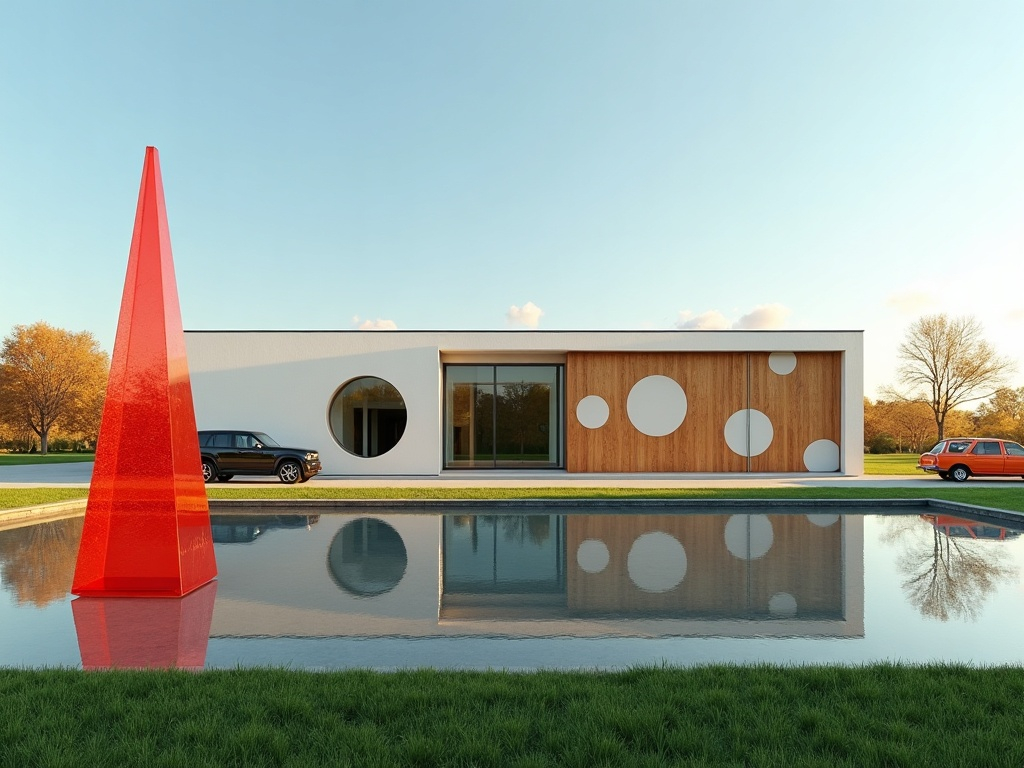
This is why Gallifet feels so invigorating. Its founders, Nicolas Mazet and Kate Davis, aim to introduce contemporary art to traditionally minded Aix. Set within the ground floor of an 18th-century townhouse — with the owners living above — the centre announces its intentions with a bold red sculpture of a swimmer mid-stroke by Diadji Diop in the courtyard.
The summer exhibition presents a retrospective of photographer François Halard, featuring more than 100 works spanning three decades. Until the end of September, Gallifet also runs a seasonal restaurant and chef residency. This year, Paris-based chefs Lisa Desforges and Bruno Hammerle showcase the region’s exceptional produce in dishes such as smoked ricotta gnocchi with peas and pea-pod velouté. Visitors can also stay overnight in one of two apartments (from €200 and €160 per night), decorated with artworks from past exhibitions and classic Provençal details including marble fireplaces and terracotta floor tiles.
Further north along the Rhône, Avignon rests within its intact medieval walls beside the river. The Palais des Papes rises above the city, with the vineyards of Châteauneuf-du-Pape to the north and lavender fields stretching southward. Each July, the Avignon Festival — one of the world’s oldest performing arts festivals — transforms the town into a vast stage.
After exploring, stroll along Rue Peyrolerie, one of Avignon’s most picturesque streets. Its winding cobblestones lead to L’Épicerie, set on a square beside a 14th-century Gothic church adorned with a finely carved walnut door. The restaurant serves generous portions of French classics in a warm atmosphere. The terrace fills quickly, a testament to its popularity with locals. Another dependable choice for courtyard dining is Numéro 75.
For contemporary art, the Lambert Collection stands out. Housed in two elegant 18th-century townhouses — Hôtel de Caumont and Hôtel de Montfaucon — it reflects the vision of gallerist and collector Yvon Lambert. In the latter half of the 20th century, he built his reputation championing American artists such as Nan Goldin, Donald Judd, Lawrence Weiner and Cy Twombly. Today, the collection continues to nurture emerging talent through its Antechamber of Summer exhibition, which this year features Montpellier-based Iranian artist Melika Sadeghzadeh.
South of Avignon, Arles centres on its nearly 2,000-year-old Roman amphitheatre, still used for performances and concerts. The Vincent van Gogh Foundation and Luma host exhibitions year-round, but July’s Rencontres d’Arles photography festival is the true highlight. For five decades, venues across the town — from galleries to everyday shops — have displayed a rich mix of contemporary and historical photography.
We recently visited Arles during its Festival of Drawing. Wandering through the charming medieval lanes of the Roquette district, we paused at various exhibition spaces before finding the intimate restaurant Páou on Place Paul Doumer. Its menu offered sharing plates built around regional produce and local wines. So we settled once more at a terrace table, beneath another flawless blue sky, grateful for a region where art and daily life blend so seamlessly.