‘Generous plates, checkered red tablecloths and chalk-written menus’: my quest to find the perfect bouchon in Lyon
I first stepped into a bouchon at 20, while studying abroad as an Erasmus student. By chance, I had been placed in rural Auvergne for a semester, and every weekend I hitchhiked to the nearest major city – Lyon. My knowledge of Lyon began and ended with its reputation for outstanding cuisine, especially the generous dishes served in traditional eateries dressed with red-and-white checked tablecloths and handwritten chalkboard menus. So when I was served a tough, overpriced cut of beef that cost more than a night in my hostel, I couldn’t quite understand what all the praise was about.
After nearly five years of living in Lyon, however, I’ve learned how to steer clear of the tourist-oriented spots that cluster through Vieux Lyon, wedged between souvenir stalls and confectionery shops. Historically, most bouchons were not based in the old town at all. As Yves Rouèche explains in Histoire(s) De La Gastronomie Lyonnaise, they were concentrated in neighbourhoods such as Vaise, Croix-Rousse and La Guillotière – districts that served as entry points to the city during the Renaissance, where merchants and travellers would stop to rest and eat.
Elsewhere in France, the word “bouchon” can mean a traffic jam, a cork, or even a bundle of straw. I once assumed the name referred to wine corks, given the steady flow of Beaujolais and Rhône Valley wines poured in these establishments. In fact, according to one owner I spoke with, the term likely comes from straw: bundles were once hung outside inns to signal that food was being served. Long communal tables, checked cloths and pitchers of house wine are all typical features, but what truly defines a bouchon is its unapologetic abundance of meat – especially offal – served in portions that can astonish even committed carnivores.
Bouchons flourished in the 19th century and were often run by women known as the Mères Lyonnaises. These formidable cooks prepared dishes such as andouillette (tripe sausage), rognon de veau (calf’s kidneys) and cervelle de canut (despite its name, a soft cheese blended with shallots, garlic and herbs) for silk merchants and weavers. In 1933, the Michelin guide recognised one of these “mothers”, Eugénie Brazier, awarding her six stars – three for each of her restaurants. For the next 65 years she remained the most decorated chef in history, helping to cement Lyon’s reputation as France’s gastronomic capital.
I set out to find the best bouchon in town, which meant drinking wine before noon and sampling enough nose-to-tail cooking to rival a butcher’s counter.
Le Poêlon d’Or
I had high hopes for this address, famed for its quenelles. These oval dumplings made from egg, flour and butter remind me of airy batter puddings. In bouchons, they’re typically filled with pike and coated in a rich crayfish sauce.
The dining room hums with local regulars and bursts with character. Red-and-white curtains printed with chickens frame the windows, while ornate chandeliers and decorative lamps crowd the space. Plates of rosette sausage and cervelle de canut are already set on the table.
The quenelle that arrives is nearly the size of a small loaf, its top browned and slightly crisp from the oven. Beneath the crust, the interior is soft and soaked with sauce. It’s buttery, savoury and deeply comforting, reminiscent of classic British puddings and dumplings. While undeniably delicious, my months of anticipation may have raised expectations a touch too high. Quenelles with crayfish sauce €24. Bouchon rating: 7/10
La Meunière
I show up at 9am and feel behind schedule. Every table is taken, carafes of red wine already half-finished. La Meunière preserves the tradition of the mâchon – Lyon’s answer to brunch, except heavier and decidedly more wine-soaked. Originally a midday meal for silk workers, it now attracts office staff and anyone seeking a midweek excuse for indulgence.
There’s no menu choice, and “salad” is a flexible term. The table fills with sliced tongue, pale rounds of pig’s trotter, lentils and pâté. A breakfast dominated by cold cuts is challenging, and the trotters prove difficult for me to embrace, though the rest is satisfying. The hot main course is more approachable: roasted new potatoes, tender pork that collapses under the fork, thick slices of sausage and fatty bacon in a rich gravy scattered with parsley. Lunch later that day is entirely unnecessary. Mâchon: €34. Bouchon rating: 8/10
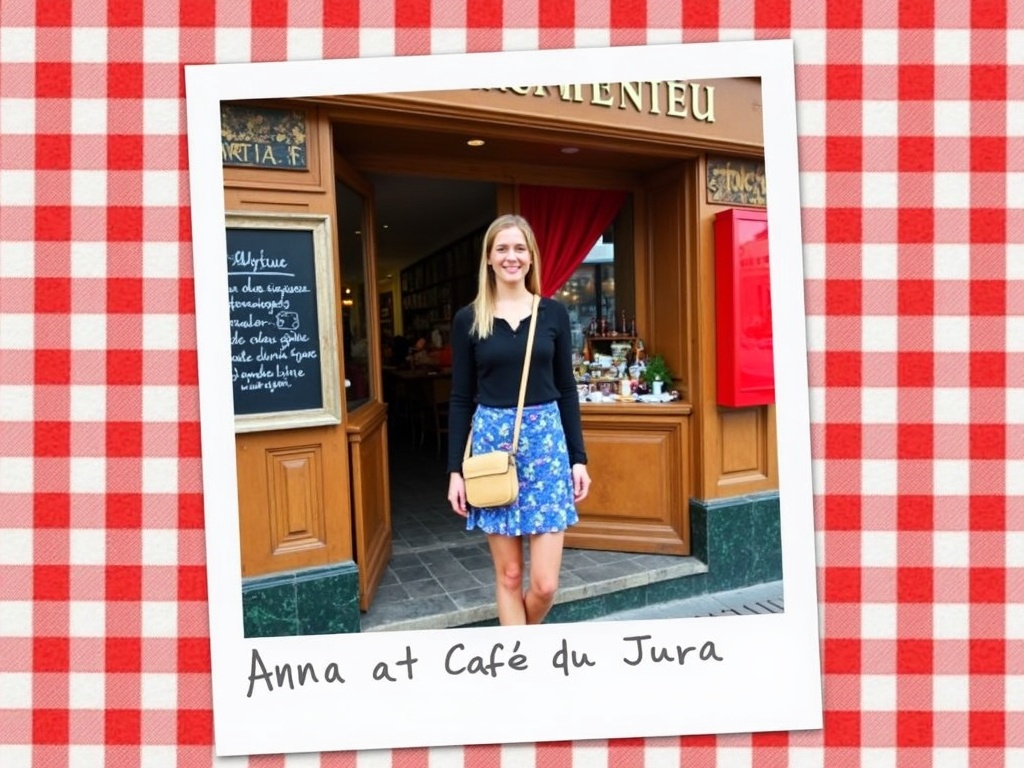
Café du Jura
A local I meet outside describes it as “excellent,” easing my doubts about dining at a bouchon named after a different region. The owner proudly shows me the historic wine cellar, lined with towering, dust-covered bottles of Chartreuse liqueur. He explains that a wine merchant from Jura founded the establishment.
Summoning some courage, I taste my friend’s andouillette despite its powerful aroma. It requires a generous helping of mustard sauce to manage a bite. My pistachio-studded sausage with new potatoes is far more agreeable, though its straightforward presentation recalls a traditional meat-and-potatoes supper. The highlight is the pâté en croûte – a substantial pork pie encased in pastry, layered with a jelly infused with port, cognac and cherry liqueur.
For dessert, I opt for an iced soufflé flavoured with Chartreuse. It’s rich and velvety, though closer to an indulgent ice cream than the airy texture I associate with a classic soufflé. Pâté en croûte: €17.50. Bouchon rating: 7.5/10
Les Fines Gueules
This is the only bouchon I visit in the old town, and it’s noticeably busier with tourists. Interestingly, there’s a vegetarian dish on offer: delicate ravioles baked in a vermouth cream sauce and blanketed with melted cheese.
Tempted by the idea of a meat-free course, I order it, only to be gently scolded by the owner. The vegetarian option, he explains, exists solely so groups don’t have to exclude one person from the outing. Taking the hint, I add the house speciality: an oxtail macaroni gratin enriched with foie gras. It’s far more complex and deeply flavoured. Dessert is a bright pink praline tart paired with praline ice cream, intensely sweet and almost overwhelming. Oxtail macaroni gratin: €30. Bouchon rating: 7/10
Chez Hugon
This tiny bouchon is run by Fatima Zerrouki in the kitchen and Paola de Almeida Rocha front of house, the fourth generation of women at its helm. A concise set menu eliminates any indecision. I begin with chicken liver pâté, topped with chopped hazelnuts and gherkins for texture.
The main course is poulet au vinaigre, presented in a sauté pan with a chicken leg of impressive proportions. The sauce is luxuriously rich – vinegar blended with tomato pulp, plenty of onion and garlic, white wine and cream. With each bite, it becomes clear why Lyon’s bouchons earned such acclaim from Michelin inspectors decades ago. Given the choice between this dish and a traditional Sunday roast, this would win without hesitation. Two-course set menu: €30. Bouchon rating: 9/10