
Nazi Shipwrecks Resurfacing in the Danube
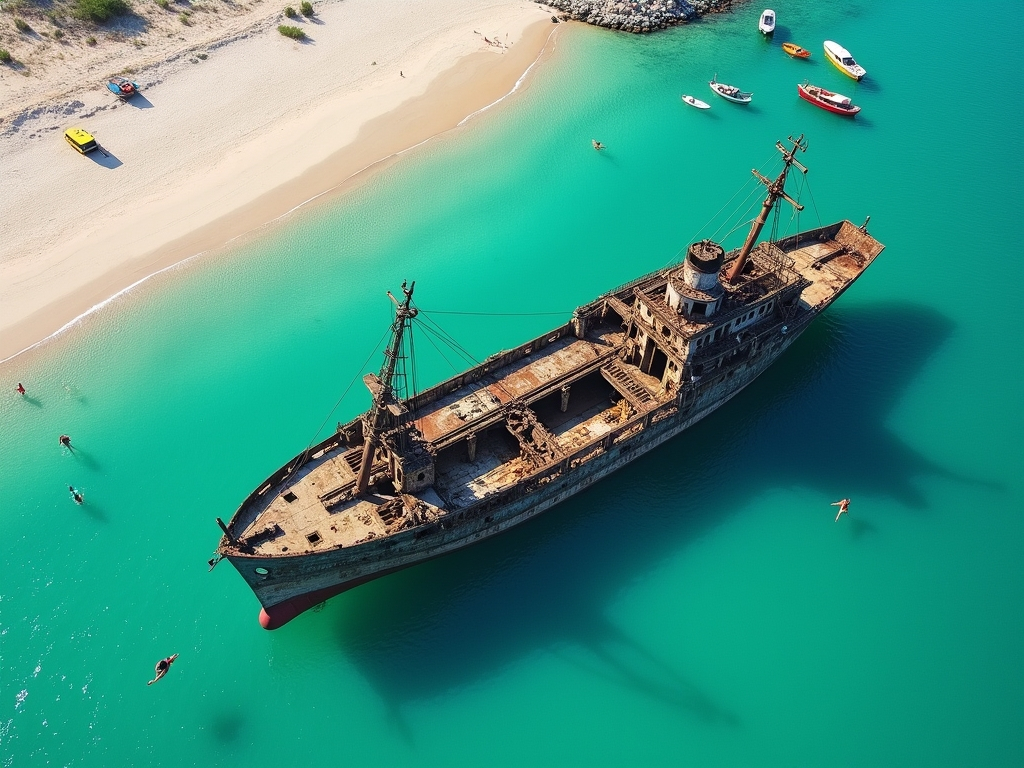
As the Danube recedes amid intense heat, the river is exposing a remarkable relic of Europe’s wartime history.
This month, exceptionally low water levels have uncovered at least 20 German military vessels near Prahovo in eastern Serbia. Corroded hulls and shattered masts now rise from the river, marking the remains of a Nazi Black Sea fleet intentionally sunk during World War Two.
Some wrecks have appeared during earlier droughts, but this summer’s severe heat and lack of rain have brought dozens of ships back into sight. Several may still hold weapons and explosives, transforming this section of one of Europe’s major cruising rivers into the outline of a long-submerged battlefield.
For passengers travelling along the Danube this summer, the retreating water is unveiling scenery and history usually concealed beneath the surface.
The vessels arrived there more than 80 years ago. By 1944, German troops were withdrawing along the Eastern Front as Soviet forces advanced through the region, leaving roughly 200 Nazi Black Sea vessels trapped in territory rapidly coming under Soviet control.
The Danube appeared to offer a way out, but the Iron Gates—a narrow and once-dangerous section of the river—formed a major obstacle. In September 1944, German Rear Admiral Paul-Willy Zieb ordered more than 200 vessels to be scuttled as the Red Army approached. They were sunk to prevent capture and to hinder the Soviet advance.
Most have remained underwater ever since, partly because many may contain unexploded ammunition and create risks for river traffic. Serbia has begun an estimated €30m programme to clear some of the wrecks, but work has advanced slowly because safely removing them from the riverbed is difficult.
For visitors, the wreckage is an extraordinary sight on Europe’s second-longest river, which runs for about 2,850km (1,770 miles) through 10 countries and landscapes shaped by centuries of collapsing empires and changing alliances.
Kenneth Reece, a travel planner who recently sailed along the lower Danube aboard the Avalon Passion, said signs of the area’s turbulent past were present throughout the journey.
“We explored medieval strongholds, listened to accounts of life under communism and dictatorship, learned about the conflicts that transformed the region and passed through places where those experiences remain within living memory,” Reece said. “Learning about the German warships beneath the Danube added another dimension. History was not confined to museums and monuments. Some of it was literally below us.”
The Nazi vessels are not the only historical objects appearing as the Danube drops.
This August, retreating water also revealed a German Wehrmacht motorcycle in Budapest and a 1,543lb British bomb near Virt in Slovakia, which was later safely destroyed. At Gigen in Bulgaria, the lower river exposed remains of the ancient Constantine Bridge, while near Ryahovo, archaeologists discovered woolly mammoth tusks and bones dating back thousands of years.
“For archaeologists, occasions like these are enormously important,” Pavel Popov of the Regional Historical Museum in Pleven said. “They provide an unusual chance to examine, record and study discoveries in their original surroundings.”
Drought and changing water levels are not unfamiliar along the Danube. Europe is warming faster than any other continent, at more than twice the worldwide average. Higher temperatures are worsening extreme heat and changing rainfall patterns, contributing to recurring periods of low water that interfere with navigation.
“The Danube seemed to be uncovering warnings from the past while also possibly offering a warning about what lies ahead,” Reece said.
Visitors are already experiencing the effects. This summer’s shallow waters have led Danube cruise companies to cancel departures, revise routes, move guests between vessels and use coaches to avoid sections that ships can no longer navigate.
Yet the river’s transformation can also reshape what travellers discover during their journeys.
“We had no idea we would sail directly above the sunken German warships,” said Suzanna Fulton, who recently travelled aboard the Viking Honir. “It was sobering and, honestly, an unforgettable experience.”
Reece said encountering physical traces of the Danube’s wartime past made the river’s present-day calm and beauty feel even more meaningful.
“Today, you can relax on a cruise-ship deck with a glass of wine and watch these beautiful countries drift past, yet the same landscape has endured war, fascism, persecution and immense human suffering,” he said. “That contrast stayed with me more than anything else. The Danube was not merely carrying us through Europe. In many respects, it was carrying us through European history.”



