Wednesday update: Russia's aims in Nato skies – and the west’s limited responses
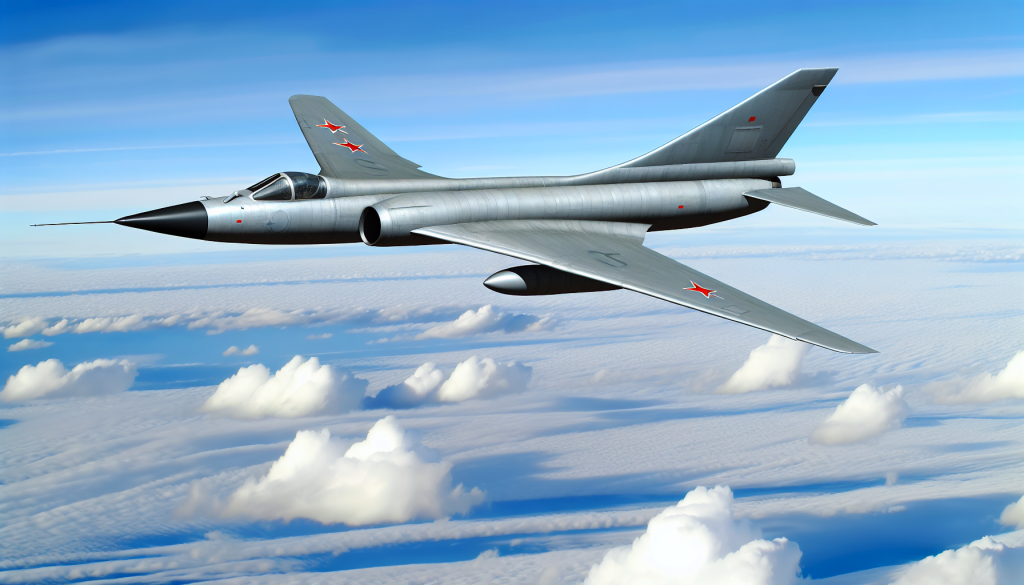
Good morning. Among the many troubling aspects of the recent spikes in military tension between Russia and Nato, the most disquieting may be this: it’s uncertain which event could tip the balance and ignite a larger crisis.
Russia has carried out a number of airspace violations in recent weeks, prompting growing concern. Initially using drones and later fighter aircraft, it appears that Moscow is testing how much pushback it might face from Ukraine’s allies. “We hope this reckless pattern doesn’t continue, whether by accident or design,” said Nato Secretary General Mark Rutte. “But we remain fully committed to defending all allied territory.”
Several member nations have cautioned Russia that any additional breaches could trigger military retaliation. Even Donald Trump, who slammed European nations over immigration during a UN address, voiced support for Nato actions, including shooting down hostile aircraft over allied territory.
Today’s briefing, in conversation with Dr David Jordan of the Freeman Air and Space Institute at King’s College London, explores why Russia is staging these provocations—and what could happen next. Here are the main developments.
Five key stories
• US politics | Donald Trump launched a scathing attack on European leaders during his UN speech, declaring their countries are in decline and branding climate change a hoax.
• UK news | Liberal Democrat leader Ed Davey branded his party as the lone opposition to “dark forces” represented by Nigel Farage, as he addressed the party’s annual conference.
• Royal news | Reports suggest the Duchess of York sent an apologetic message to Jeffrey Epstein after an unsettling call in which he allegedly threatened her.
• Media | Jimmy Kimmel returned to late-night television and criticised official attempts to control comedians, calling such measures un-American.
• Legal news | Actor Noel Clarke has been ordered to pay £3 million toward The Guardian’s legal costs after losing a libel suit that dealt with allegations of misconduct by numerous women.
Explainer: ‘Neutralising drones must be a top priority’
On 10 September, Poland experienced an aerial intrusion involving 19 drones, with several being shot down. Prime Minister Donald Tusk warned that Europe faced the gravest military threat since WWII.
Days later, a drone entered Romanian skies. Then, three Russian MiG-31 jets crossed into Estonian airspace. German aircraft intercepted another Russian plane over the Baltic Sea, and airfields in Denmark and Norway shut down due to drone sightings. Denmark’s Prime Minister Mette Frederiksen has not ruled out Russian involvement.
Dr David Jordan believes these events signal Russia’s desire to undermine Nato unity. “It’s likely a tactic intended to shake allied resolve to back Ukraine by suggesting greater war is a risk,” he said.
Are these provocations deliberate?
Some incidents, particularly near the Ukrainian border, could theoretically be due to navigational errors worsened by Ukraine’s GPS jamming. However, deep incursions into Poland cast doubt on that theory. Jordan described them as “intentional errors,” while other sources argued they’re dubious at best.
The Estonian case, where fighter jets bypassed transponders and ignored air control, is especially difficult to attribute to a mistake. “We’ll find a talking bear in London before we find Russia admitting the truth about actions like this,” said Jordan. “Their strategy historically is to act and deny.”
Poland’s foreign affairs minister, Radosław Sikorski, remarked that the drones posed no real threat, implying Russia was probing Nato’s response thresholds.
Speculation about U.S. cuts to regional security support may have prompted Russia to test Nato’s cohesion, especially toward its eastern flanks. Meanwhile, Russia is likely sending signals to the UK, France and others about retaliatory risks tied to military deployments in Ukraine.
How has Nato countered?
While early on the alliance appeared divided—with some leaders questioning if the drone activity was deliberate—Nato launched Operation Eastern Sentry. Fighter jets from leading European countries were deployed as part of this measure. British aircraft operated over Poland recently under this banner.
Estonia also requested a UN Security Council meeting after the fighter jet violation. Britain and Poland announced they would down any future Russian planes breaching their airspace.
This stance isn’t new but is a clear restatement of rules of engagement if certain lines are crossed. Trump also expressed support for downing Russian planes if necessary, a statement Poland’s Sikorski welcomed publicly.
Recognising vulnerabilities in current defence systems, seven EU nations plan discussions with the European Commission and Ukraine to create a "drone wall" using radar and surveillance tech to detect and counter aerial threats.
“Counter-drone capabilities are long overdue, and it’s clear that neutralising drones must now be treated with the utmost urgency,” said Jordan.
Will we see Russian jets shot down?
Nato’s message is becoming firmer. Some strategists claim that shooting down a violating jet could actually de-escalate tensions by imposing consequences. For example, Turkey shot down a Russian aircraft in 2015 without triggering a larger war, but succeeded in drawing a red line.
However, Jordan noted key differences today, such as Turkey’s unique position controlling access to major waterways. He also pointed out Russia's cautious approach in the latest violation—minor course deviations, lack of visible weaponry, and compliance when intercepted—which would complicate attempts to justify military action.
Additionally, different countries within Nato might have varying rules of engagement depending on national policies or perceived threats, and these are typically confidential.
How likely is a major escalation?
Further escalation would likely begin with new incursions, which could happen if Russia sees potential benefits in internal division within Nato. However, Jordan suggested that if allies start shooting down drones routinely, such provocations could stop quickly.
Incursions by drones are unlikely to lead to broader conflict. Fighter jets, on the other hand, present a bigger risk. Yet Putin may not risk the loss of his advanced aircraft, which are crucial to Russian operations in Ukraine.
Finally, even with political debates ongoing in the U.S., Jordan noted that Putin can’t be entirely confident that Washington would remain uninvolved if Nato invoked Article 5, which treats an attack on one ally as an attack on all. Military conflict isn’t inevitable, but the potential must be taken seriously.
What else we’re reading
• Cornelius Taylor tragically died after a bulldozer cleared a homeless camp in Atlanta. His death sparked calls for change, but an emotional interview with his partner shows little has improved.
• Britain’s right-wing populists are increasingly drawing inspiration from Dubai for their vision of the future, raising questions about what they truly admire. A closer look critiques this fascination.
• Thousands of tonnes of plastic waste from the UK head to Turkey each year. A recent investigation exposes how Afghan migrants are exploited in processing facilities, suffering dangerous conditions and fatalities.
• The latest public figure to become entangled in the Jeffrey Epstein controversy is the Duchess of York—a continuation of her unusual ties with wealthy and controversial individuals.
• A remarkable find on eBay uncovered how influential British families profited from slavery, through letters that shed new light on their wealth and legacy.
Sport
Football | Alexander Isak made his goal debut for Liverpool, while Hugo Ekitike was sent off shortly after scoring the winning goal in a 2-1 League Cup success over Southampton.
Cricket | Legendary umpire Harold “Dickie” Bird has passed away at the age of 92, leaving behind a uniquely memorable legacy in the world of cricket.
Cricket | England has announced a powerful Ashes squad featuring some of its fastest bowlers, including Gus Atkinson, Jofra Archer, and a fully recovered Mark Wood.
Front page highlights
The Guardian led with Trump’s fiery critique: “‘Your countries are going to hell.’” The Telegraph followed with, “Trump: West going to hell over migration,” while the Mirror opted for a blunt summary: “Deranged.”
The Times ran the headline: “Shoot down Russian jets in Nato’s sky, says Trump.” Metro grabbed attention with “U.N. Sim-farm plot smashed.”
Other papers focused on UK issues: The Daily Mail highlighted a donation row with “Email damns Starmer’s top aide.” The i pointed to budget struggles with “Reeves facing £30bn hole.” The Express spotlighted pension impacts: “500,000 OAPs to lose winter pay.”
The Sun covered entertainment news with “Crocked Dani quits Strictly,” while the Financial Times turned to pharmaceuticals: “Eli Lilly boss joins drug pricing battle.”
Today in Focus
Russia’s high-stakes manoeuvres in Nato-controlled airspace
In recent weeks, Russian aircraft and drones have encroached on European skies. Dan Sabbagh reviews these developments and what they may mean for Nato’s future security posture.
Cartoon of the day | Martin Rowson
The Upside
Something to brighten your day
Afro-descendant communities in Latin America have long maintained “edible landscapes”—biodiverse areas that mimic natural ecosystems.
These communities have sought legal recognition for their role in conserving this environment. Newly published research now validates their claims, showing that over 56% of recognised Afro-descendant lands in Brazil, Colombia, Ecuador and Suriname fall within the world’s most biodiverse regions.
Ecuador’s figures are particularly striking: 99% of such land is located in biodiversity hotspots. In Colombia, nearly 92% of these areas fall within the top 5% globally for biodiversity.
Bored at work?
Enjoy some puzzles to help pass the time:
• Quick crossword
• Cryptic crossword
• Wordiply