‘My friend’: Anthony Albanese pledges another $60m to Ukraine in meeting with Zelenskyy
Anthony Albanese has pledged an additional $60m in Australian support for Ukraine’s defence against Russia’s invasion, following an emotional meeting with Volodymyr Zelenskyy on the margins of the United Nations gathering in New York.
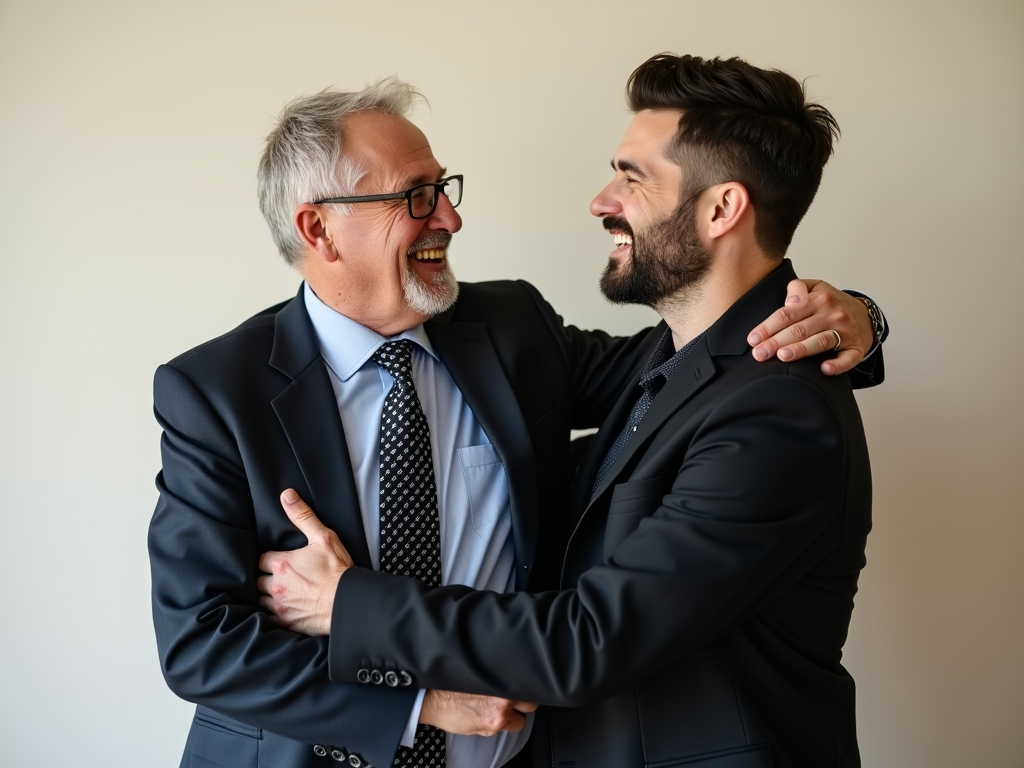
As the prime minister prepared to deliver a major address warning that the global order was “no longer fit for purpose”, he embraced the Ukrainian president, who expressed gratitude for Australia’s continuing assistance.
Albanese appeared moved as he praised his “friend” Zelenskyy for his leadership in the face of Russia’s aggression.
“His leadership has been truly remarkable, guiding his people through circumstances that are incredibly difficult,” he said.
“Russia believed it could simply push through within weeks, but the strength and resolve of the Ukrainian people were badly underestimated.”
The leaders signed a 10-year bilateral security agreement that includes a further $45m worth of Australian Defence Force equipment for Ukraine.
Another $10m will be directed to Ukraine’s energy support fund, with $5m allocated to humanitarian relief.
The new $60m package brings Australia’s overall support for Ukraine since Russia launched its full-scale invasion in 2022 to $1.9bn.
Under the agreement, Australia will expand its training support for Ukrainian personnel to help them prevent and respond to future Russian assaults. The countries will also examine collaboration on training facilities and the joint production of air-defence systems, missiles and drones.
The prime minister said the deal marked an important moment for Australia’s commitment to defending international law.
“This is not only a European concern; it is an issue for the entire world,” Albanese told reporters in New York after signing the agreement.
“If a larger and more powerful nation such as Russia is permitted to gain from violating international law through its illegal and immoral invasion of Ukraine, it creates a dangerous precedent across the world.”
Albanese said the bilateral arrangement would continue both throughout the war and into peacetime once the conflict had ended.
Zelenskyy described the agreement as the “strongest document between our countries”, saying it would strengthen trade and security ties.
“It is all for our people and for security,” he said.
It was a packed diplomatic schedule for Albanese, who was due to speak at the Atlantic Council on foreign policy and sign a new strategic partnership with the Netherlands aimed at deepening defence co-operation and pursuing justice for the victims of MH17.
In his address, the prime minister was expected to argue that the international order created after the second world war was no longer adequate, and that institutions established after 1945 could not fully address modern challenges.
Speaking alongside the United Nations general assembly in New York, Albanese was set to stress that partnerships and alliances remained vital in an increasingly fast-changing global landscape.
“Since the end of the cold war, the dominant assumptions in international affairs were straightforward: openness delivered security, efficiency was valued over resilience, and international rules would be respected,” he was expected to say.
“Those assumptions depended on the belief that the influence of major democratic powers would remain largely uncontested.
“The post-1945 international order is no longer fit for purpose. Universal institutions remain essential, but they are not always enough to meet the challenges before us.”