South Korea warns of legal action if fuel exports to Russia are found to violate law
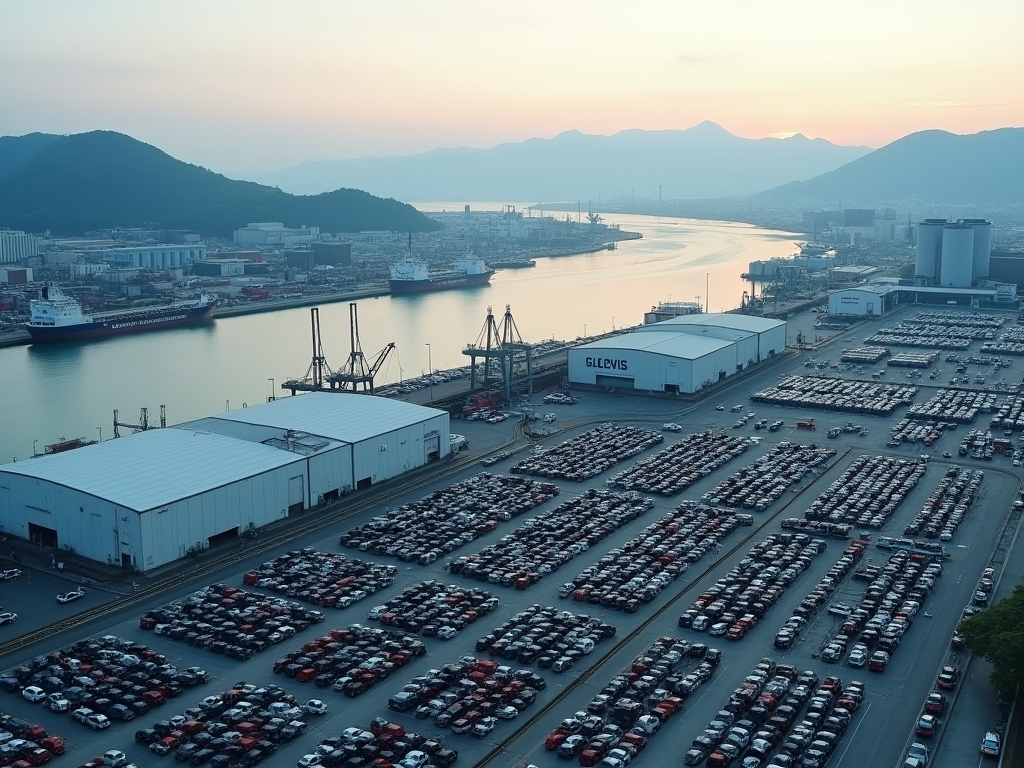
South Korea has said it will pursue legal measures if an investigation finds that fuel shipments from its ports to Russia violated national law, responding to reports about the trade.
In a joint statement from the foreign ministry, trade ministry and customs authorities, the government said it was “reviewing additional information concerning the loading cases reported” and would take action under the law if checks confirmed that regulations had been breached.
An examination of port records and vessel-tracking information indicated that more than 176,000 tonnes of fuel, mainly diesel, were loaded at several South Korean ports in July and August. The fuel was carried by seven tankers that completed 14 journeys to Russia’s far eastern region.
Three of those vessels were subject to UK and EU sanctions. One tanker received around 26,000 tonnes of fuel through a ship-to-ship transfer at an anchorage near the southern port city of Yeosu.
Isaac Levi, an analyst at the Centre for Research on Energy and Clean Air, a Finnish research group, said the activity weakened the sanctions system and conflicted with South Korea’s backing for Ukraine.
Russia’s ability to process crude oil has been heavily affected by Ukrainian drone attacks. Refinery operations dropped in June to their lowest point in more than two decades, while diesel production has fallen by almost 30% compared with the previous year, according to the International Energy Agency.
Seoul said in its statement that the refined petroleum products involved were not included in South Korea’s export restrictions on Russia, which largely target industrial equipment, electronics and vehicles.
“The loading of refined petroleum products at South Korean ports does not in itself amount to a breach of domestic law,” the statement said.
The government added that it had not confirmed whether fuel produced in South Korea, including diesel, had been exported. It said no diesel, aviation fuel or petrol had been formally cleared through customs for export from South Korea to Russia.
It remains uncertain who owned the fuel or who arranged its sale, as publicly available South Korean port records do not identify those parties.
Officials also said that a vessel’s failure to travel directly to the destination listed in its declaration, followed by travel to another country, does not automatically create grounds to suspect a false destination declaration.
The government said it would review the tankers’ real travel routes, any differences between declared and actual destinations, and the reasons for those changes before determining whether any laws were violated.
The three sanctioned tankers informed South Korean authorities that they were heading for Japan or Singapore before later travelling to Vladivostok.
The Russian-flagged Aram Khachaturian, which is not covered by western sanctions, loaded cargo at Ulsan on three occasions in July and August. Each time, it listed a destination other than Russia before sailing there.
An adviser to Ukrainian President Volodymyr Zelenskyy said this week that the deliveries were in “sharp contrast” with South Korea’s sanctions approach.
South Korea’s presidential office responded on Wednesday by saying the comments were inaccurate and inappropriate, urging Ukraine to avoid public statements that could harm South Korea’s international standing.
Ukraine’s foreign ministry was reported to have raised the shipments with Seoul through private diplomatic channels and requested clarification.
Foreign ministry spokesperson Heorhii Tykhyi said Kyiv also possessed its own information regarding the activity.
Seoul, which has faced additional tensions with Ukraine since Zelenskyy revealed plans involving North Korean prisoners of war, said on Thursday that it would recall its ambassador from Kyiv.
“The government has decided to recall its ambassador to Ukraine,” the foreign ministry said. “It hopes that remaining issues between the two countries can be settled amicably and will continue consultations with the Ukrainian side toward that goal.”