Energy, security and strategy: The reasons behind Putin's trip to meet Modi in Delhi
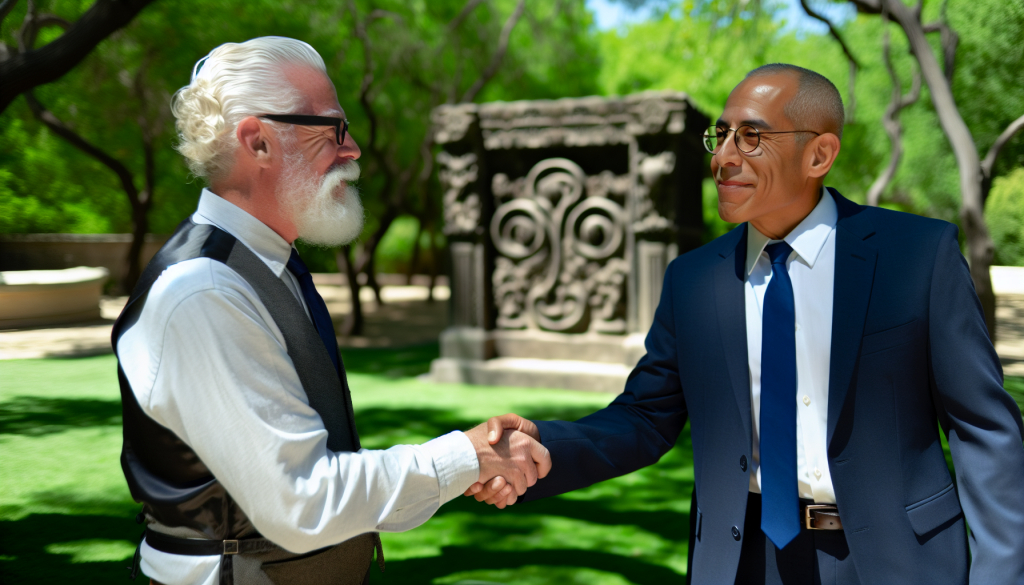
Russian President Vladimir Putin has begun a two-day visit to India, where he is scheduled to meet with Prime Minister Narendra Modi and participate in the annual bilateral summit between the two nations.
During the trip, India and Russia are expected to finalize several agreements. The visit follows increased pressure from the United States on India to cut down on its purchases of Russian oil.
It also coincides with efforts by the U.S. administration, led by President Donald Trump, to mediate in the ongoing conflict involving Russia and Ukraine.
India and Russia share a longstanding alliance, tracing back decades. The relationship between Putin and Modi remains strong. Here's an overview of what brings them together and what to expect from the meetings.
By Steve Rosenberg
Why is India important to Russia?
First, consider the demographics and economic scale:
• India has a population nearing 1.5 billion people.
• Its economy is growing at over 8%, making it the fastest-expanding major economy in the world.
These factors position India as a crucial market for Russian exports, particularly in energy and natural resources.
As the third largest consumer of crude oil, India has significantly ramped up its oil imports from Russia. Before the Ukraine conflict escalated, only a small portion of India’s oil—about 2.5%—came from Russia.
That number has since surged to 35%, as India took advantage of discounted Russian oil resulting from Western sanctions and reduced access to European buyers.
This shift benefited India, but displeased Washington.
Earlier this year, the Trump administration imposed an additional 25% tariff on Indian imports, claiming that India's purchase of Russian oil indirectly supported Moscow’s military operations. Consequently, India has scaled back its Russian oil orders. Still, Putin will likely seek assurances to keep those supplies flowing.
Military cooperation remains a pillar of the relationship. Since Soviet times, Russia has supplied arms to India. Reports ahead of Putin’s visit suggest that India is considering further purchases of modern Russian fighter jets and air defense equipment.
Russia also values India as a source of skilled labor, especially amid its current domestic workforce shortages.
Beyond trade and defense, global strategy plays a central role.
The Kremlin is keen to show the world that sanctions have not isolated Russia entirely. High-profile meetings with global leaders, such as Modi and Chinese President Xi Jinping, reinforce the idea that Moscow still has significant allies.
Just a few months ago, Putin met with both Xi and Modi in China. The image of the three leaders together demonstrated a shared vision of a "multi-polar world", contrasting Western efforts to marginalize Russia.
While Russia promotes its boundless partnership with China, it also highlights its "special and privileged" relationship with India.
This is in contrast to its deteriorating relations with the European Union.
"The Kremlin believes Europe and the West have failed," says journalist Andrei Kolesnikov.
"We are not isolated because of our ties with Asia and the Global South. Economically, the future lies in these regions. It mirrors the Soviet era when we had diverse global ties. But now we lack connections to Europe. That is a deep loss. Many in Russia’s political and business elite still hope to rekindle links with Europe."
This week, however, the focus will be on strengthening the friendship between Russia and India—with new economic projects and cooperative agreements expected to dominate the agenda.
By Vikas Pandey
Putin’s arrival in Delhi holds strategic importance for Modi, reflecting both historical ties and current ambitions on the global stage.
The Indo-Russian partnership has persisted since Soviet times, largely untarnished by changing international dynamics.
Putin has invested more time than past Russian leaders in maintaining this bond.
Modi, for his part, has resisted pressure from Western countries to condemn Russia’s actions in Ukraine, instead emphasizing dialogue as the solution—demonstrating India’s commitment to maintaining policy independence.
That diplomatic independence, however, has come under challenge since Trump returned to the presidency. Relations between India and the U.S. have soured as disputes over tariffs remain unresolved.
In this context, Putin’s presence in Delhi carries added meaning. For Modi, it is an opportunity to reinforce India’s strategic flexibility—balancing Moscow on one side and Washington on the other.
Modi also aims to send a message to Indians and international observers that he continues to have Putin’s support despite outside pressure, even from allies like Trump, whom he once labelled a “true friend.”
Meanwhile, Modi is also grappling with criticism from European diplomats. Just this week, ambassadors from Germany, France, and the UK co-authored an article in an Indian newspaper criticizing Russia’s posture on the Ukraine issue.
Thus, Modi must ensure that closer links with Russia don’t undercut growing trade relations with the West.
“India’s challenge is preserving strategic balance—safeguarding its autonomy while managing pressures from the U.S. and its dependency on Russia,” noted the Delhi-based Global Trade Research Initiative (GTRI).
Modi is also focusing on enhancing bilateral trade, which, despite the nations' long alliance, has underperformed in past decades.
Trade between India and Russia hit $68.72 billion by March 2025, a huge jump from $8.1 billion in 2020—mainly because of discounted Russian oil. However, this has resulted in a large trade imbalance favoring Russia, something Modi wants to address.
As Indian oil imports from Russia decrease under sanctions pressure, both countries are now exploring other areas to grow their trade relationship.
Defense is a logical next step. While the share of Russian defense imports dropped to 36% between 2020 and 2024 (from 72% in 2010-15), key Indian military platforms remain dependent on Russian technology, particularly the air force's fleet of Sukhoi-30 jets.
India’s brief border clash with Pakistan earlier this year showcased the value of systems like the S-400 air defense, but also exposed vulnerabilities in India’s military setup that require attention.
India reportedly wants to purchase Russia’s advanced S-500 systems and Su-57 stealth fighter jets. The recent acquisition of Chinese-made J-35 jets by Pakistan has further nudged India to upgrade its arsenal.
However, delivery timelines for Russian equipment have been affected by the Ukraine conflict and supply issues, with some S-400 units delayed until 2026. Modi is expected to push for more reliable delivery commitments.
Additionally, Modi wants greater access for Indian products in the Russian market to reduce the trade gap.
"Consumer categories such as smartphones ($75.9 million), shrimp ($75.7 million), meat ($63 million), and garments ($20.94 million) reflect India’s minimal presence in Russia’s consumer markets,” said GTRI.
Expanding the footprint of Indian goods in Russia, especially post-conflict, is a priority for Modi. He hopes to shift trade reliance from oil and defense towards a more diversified portfolio.
"This visit is not a nostalgic gesture towards Cold War-era diplomacy," explained GTRI. "It’s a negotiation over economic risks, supply chains, and resilience. A modest outcome will sustain defense and energy trade. A broader agreement could reshape regional commerce."