Ukraine’s defense chief removed despite achievements, as Zelensky calls for greater unity in wartime effort
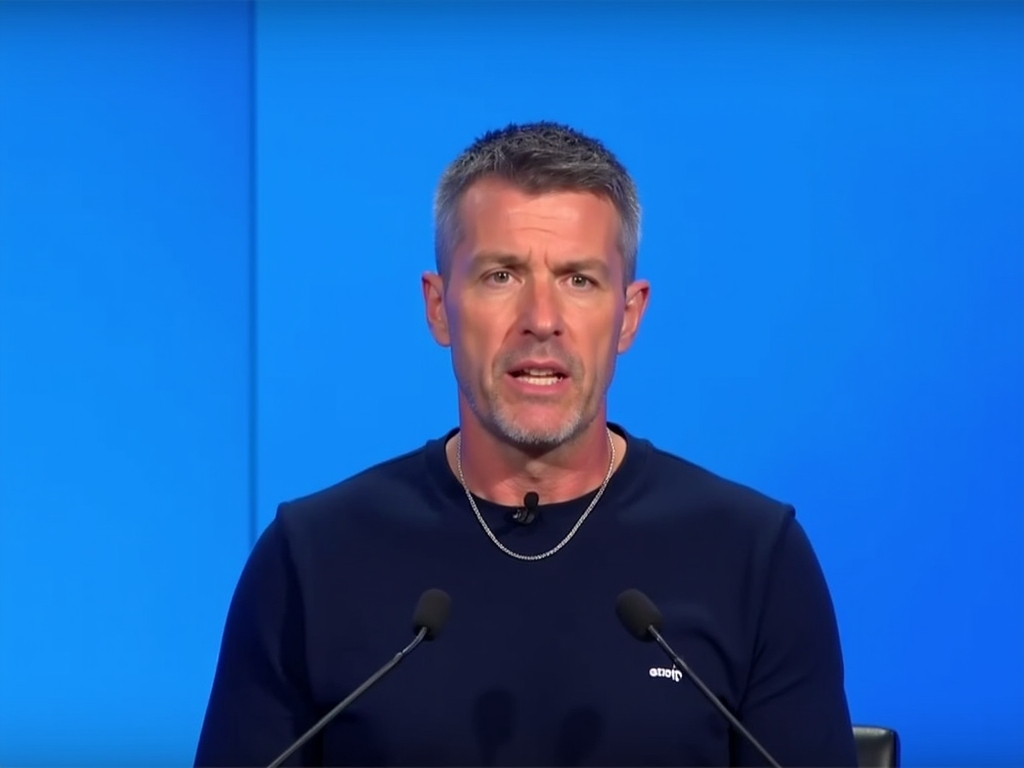
During a sweeping reshuffle of Ukraine’s government, Defense Minister Mykhaylo Fedorov was dismissed from his post despite a period marked by notable military achievements — a move that has triggered public demonstrations and unease within the armed forces.
The 35-year-old Fedorov earned recognition for his forward-thinking use of technology and new recruitment strategies, though his methods reportedly created friction within parts of Ukraine’s defense leadership.
He strongly backed Ukrainian start-ups in designing and producing a broad array of drones that have helped slow Russian offensives and strike energy facilities deep inside Russian territory.
Fedorov also oversaw the development of mid-range drones that played a key role in isolating Crimea, the peninsula annexed by Moscow in 2014.
Previously serving as Ukraine’s minister for digital transformation, Fedorov had spent only six months in the defense role. He gained popularity among soldiers for increasing salaries and improving frontline rotation systems. His replacement will become Ukraine’s fifth defense minister since Russia launched its full-scale invasion in 2022.
His dismissal came as Russian missile attacks targeted Kyiv early Thursday, with explosions echoing across the capital.
Fedorov described his tenure as “a great honor.” The presidential administration did not provide an official explanation for the reshuffle, which also saw Prime Minister Yulia Svyrydenko removed from office.
Why was he forced out?
On Wednesday, President Volodymyr Zelensky held an extended meeting with Fedorov after publicly emphasizing the need for stronger “dialogue between the Army and the Defense Ministry.”
“We need unity. That is our greatest strength,” Zelensky said, adding that the ministry and the armed forces must share common views — comments widely interpreted as acknowledgment of internal disagreements.
According to analysts, Fedorov had clashed with Ukraine’s top military commander, General Oleksandr Syrskyi, particularly over strategic priorities.
In a statement posted on Telegram, Fedorov noted that during his time in office, Ukraine had procured more drones in four months than in the entire previous year. He also highlighted the launch of a dedicated support initiative for modern drone assault units.
Ukraine’s expanding drone operations have significantly shaped the battlefield in recent months. On some nights, Kyiv has deployed hundreds of drones at once, targeting oil refineries, naval assets, and weapons facilities, demonstrating a growing capacity to reach far into Russian territory.
Several of these operations compelled Moscow to temporarily halt traffic through a crucial gateway to the Black Sea — a strategic route that had long remained beyond Kyiv’s reach — thereby constraining Russia’s trade flows.
Fedorov also introduced what he described as “an unpopular but extremely important transformation” of military service: fixed-term contracts for all personnel and some of the highest salaries globally for infantry and assault units.
He acknowledged, however, that broader reform of military structures and procurement systems remained unfinished.
“We needed to act even more decisively in removing those who were slowing down change,” he said.
Pavlo Yelizarov, Deputy Commander of the Ukrainian Air Force and a well-known drone unit leader, resigned in protest, calling Fedorov’s dismissal a “serious blow to the country’s defense capability.”
On Thursday, hundreds of demonstrators — many of them young people — gathered in Kyiv to protest the decision. Several attendees expressed disbelief, with one saying Fedorov was “the person who made it possible for drones to take on most of the fighting instead of soldiers.”
Meanwhile, the latest Russian missile strikes killed two people in Kyiv, including a teenager, according to Ukraine’s State Emergency Service.
As the war approaches its fifth year, both sides continue to endure significant losses. Ukraine’s drone strategy has reached an unprecedented scale in recent weeks, with coordinated attacks striking refineries, naval vessels, and military depots deep inside Russia.
Some of these strikes have again forced Moscow to suspend traffic through the Black Sea gateway, limiting Russia’s logistical and commercial capabilities.
Yet Ukraine is also paying a steep price. The United Nations reported that June was the deadliest month for Ukrainian civilians since April 2022, largely due to intensified Russian missile attacks on residential areas.
Zelensky has repeatedly urged international partners to strengthen Ukraine’s air defenses. This includes tentative approval from the United States for Ukraine to produce its own Patriot interceptors — currently the only system capable of neutralizing some of Russia’s most advanced ballistic missiles.