Not Just “Intelligence Contacts”: Politico Reveals What the CIA Chief Discussed in Moscow
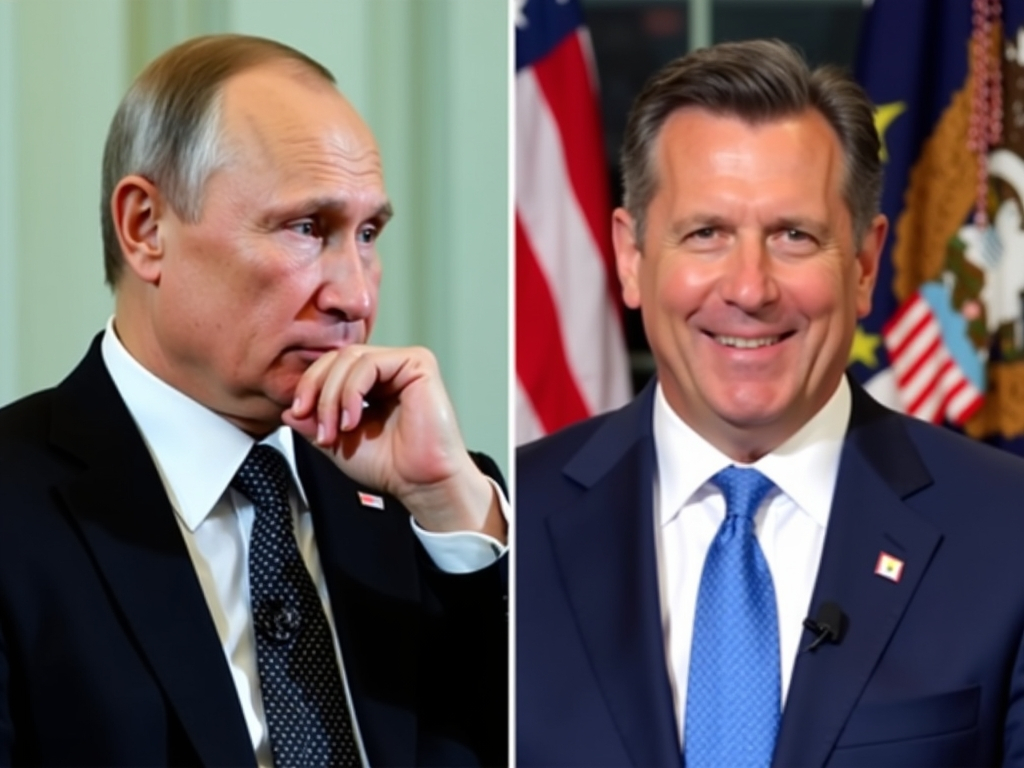
CIA Director John Ratcliffe warned Russian officials in Moscow against escalating tensions with US allies in NATO, particularly Estonia, Latvia, and Lithuania, amid Russia’s prolonged invasion of Ukraine.
The US intelligence chief also used his rare, unofficial trip to the Russian capital to press Moscow to reduce its military and economic support for Iran, according to media reports citing informed sources.
News of Ratcliffe’s visit, which the administration did not formally acknowledge until the last moment, sparked widespread speculation in Washington and Europe. It was the first known trip of its kind by a CIA director to Moscow during Donald Trump’s presidency.
In late 2021, Bill Burns, who led the agency under then-President Joe Biden, warned Vladimir Putin against launching a military intervention in Ukraine. Russian forces crossed the border three months later.
Why Ratcliffe’s visit matters
The trip took place as Russia and Ukraine intensified their exchanges of drone and missile strikes far beyond the front line. In recent weeks, Moscow has also issued a series of threats toward NATO countries supporting Ukraine, raising fears that it could pursue further hybrid operations or limited military action against alliance members, including the United Kingdom.
According to reports, Ratcliffe’s meeting was primarily intended to warn Russia that any action capable of escalating tensions with the Baltic states would be unacceptable.
In a recent radio interview, however, Trump rejected suggestions that Ratcliffe had traveled to persuade Putin not to test NATO’s resolve or attack Britain, which had pledged to double its support for Ukraine. Trump described the visit as “semi-routine,” while acknowledging that it was connected to efforts to end the war. “I do not want to disappoint people. We would like the war in Ukraine to end,” he said.
The United States, Russia, and NATO
Under the NATO treaty, an armed attack against one member is treated as an attack against all. For years, however, Russia has employed tactics below the threshold of open warfare, including sabotage and cyberattacks, to weaken US allies in Europe without triggering a broader military response.
Publicly available flight-tracking data indicated that the C-17 military aircraft carrying Ratcliffe to Moscow departed from Latvia.
Reports also said Treasury Secretary Scott Bessent recently threatened to significantly expand sanctions against countries that refuse to cut economic ties with Iran. Ratcliffe reportedly raised the same issue during his discussions with Russian officials.
The CIA director conveyed Washington’s demand that Moscow stop sharing weapons and defense technologies with Iran. He also advised Russian officials not to “overreact” if sanctions affected their country. Russia has reportedly supplied materials that strengthened Iran’s drone arsenal and may be helping Tehran improve the accuracy of attacks on US facilities in the Middle East.
Trump and Putin
Since his first term, Trump has repeatedly clashed with the US intelligence community over Russia-related issues. At times, he has appeared to repeat Kremlin arguments about NATO or offer more favorable assessments of Putin than those supported by his own intelligence agencies.
However, Trump has reportedly become increasingly frustrated with Putin as efforts to end the war have encountered difficulties. Ratcliffe, meanwhile, is generally viewed as taking a hard line toward Russia.
The Moscow visit was the latest example of Trump turning to his CIA director to assist with sensitive diplomatic talks involving a major US adversary. Ratcliffe also reportedly made a secret trip to Cuba in May to warn the country’s communist government that it must undertake fundamental reforms or face a US pressure campaign.
“The situation does not improve if there is no dialogue,” Senator James Lankford said shortly after visiting Ukraine. “At present, Russia does not appear focused on finding a solution. But we need to understand what its ultimate objective is.”
What else is known about Ratcliffe’s Moscow trip
Trump previously said the CIA director had traveled to Russia “for a reason.” Nevertheless, he rejected suggestions that the trip was connected to Putin testing NATO’s determination, sanctions targeting Iran, or the possibility of an attack on the United Kingdom.
Concerns have also grown that Putin could expand the conflict beyond Ukraine. Several suspected acts of sabotage were reported across Europe during the first half of August. These included drone activity near an airfield in Leipzig, an alleged attempt to target a German drone manufacturer, and explosions at ammunition facilities near Rome and in Bulgaria.