How Rising US-Iran Strains May Influence Global Markets
LONDON/ABU DHABI, Feb 28 – The United States and Israel carried out coordinated strikes on Iran on Saturday, aiming at senior leadership targets and triggering a fresh wave of conflict in the Middle East. President Donald Trump said the action was intended to eliminate a security threat and create an opening for Iranians to challenge their government.
The developments unsettled neighboring oil-producing Gulf Arab states as concerns about a broader escalation mounted. Tehran responded swiftly, firing missiles toward Israel.
Below is an outline of how the confrontation could influence global financial markets.
OIL SURGE
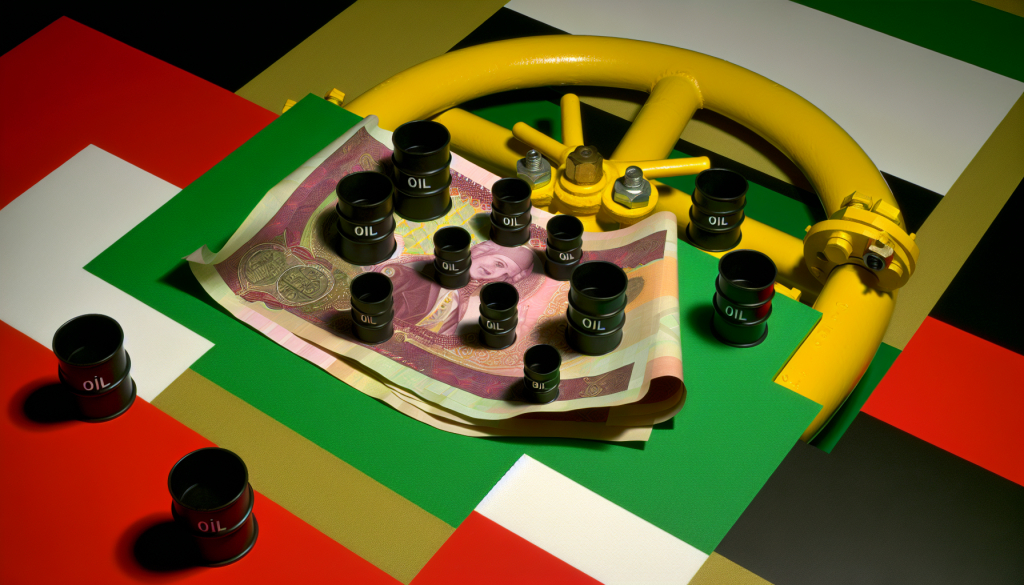
Oil prices remain the clearest indicator of instability in the Middle East.
Iran ranks among the world’s significant energy producers and sits across from the oil-rich Arabian Peninsula along the Strait of Hormuz, a vital passageway for roughly one-fifth of global oil shipments. Any disruption in this corridor could constrain supply and send prices sharply higher.
Brent crude was trading near $73 per barrel on Friday, reflecting a gain of about 20% since the start of the year.
According to trading sources, several major energy companies and commodity traders temporarily halted shipments of crude and refined products through the Strait of Hormuz following the strikes.
William Jackson, chief emerging markets economist at Capital Economics, said that even if tensions remain contained, Brent prices could climb toward $80 per barrel, matching levels seen during the 12-day conflict involving Iran last June.
Should fighting drag on and materially disrupt supply, oil could spike to around $100 per barrel, potentially lifting global inflation by 0.6 to 0.7 percentage points, he noted.
Beyond energy markets, the renewed conflict threatens to intensify volatility across global assets, which have already experienced sharp swings this year due to U.S. trade tariffs and a significant selloff in technology stocks.
Measures of market uncertainty have climbed notably in 2026, with equity and bond volatility indicators both posting sizable gains.
Currency markets are also expected to react.
During last June’s fighting, the U.S. dollar index slipped by roughly 1%, although the decline proved temporary and reversed within days.
Analysts say the dollar’s direction this time will hinge on the scope and duration of the confrontation.
If hostilities persist and oil supplies are materially affected, the dollar could strengthen against most currencies, with the likely exceptions of the Japanese yen and Swiss franc. As a net energy exporter, the United States may benefit from elevated oil and gas prices tied to supply disruptions.
Israel’s shekel is also likely to experience volatility, especially after Iran’s rapid retaliation on Saturday.
The shekel fell 5% at the outset of last June’s conflict and has reacted sharply to previous flare-ups involving Iran. In each case, however, the declines were short-lived and followed by swift recoveries. Analysts caution that a more prolonged conflict or a sustained rise in risk premiums could produce a different outcome this time.
Further escalation, particularly if it broadens to include Iran-aligned groups in the region, could amplify market stress.
The Swiss franc, widely regarded as a safe-haven currency during periods of turmoil, may face additional upward pressure. It has already gained around 3% against the dollar this year, presenting challenges for Switzerland’s central bank.
Investors may also increase allocations to gold, which has surged 22% so far in 2026 amid strong demand for safe assets. Silver has followed a similar upward trajectory.
U.S. Treasury bonds could benefit as well, with yields having declined in recent weeks as investors seek stability.
Bitcoin, once viewed by some as a hedge against turmoil, has not acted as a refuge in the current environment. It fell 2% on Saturday and has lost more than 25% of its value over the past two months.
Stock markets in the Middle East, including Saudi Arabia and Qatar, will offer an early gauge of investor reaction when trading resumes. While these exchanges often track oil price movements, a deepening conflict could weigh more broadly on regional economies.
Market participants expect equities to weaken if hostilities persist, with potential declines of 3% to 5% in Gulf markets depending on the intensity of the confrontation.
Saudi Arabia’s benchmark index has already posted consecutive weekly losses, while Dubai’s main exchange has retreated over the past two weeks.
Airlines around the world cancelled flights across parts of the Middle East on Saturday, and aviation stocks may face additional pressure if airspace closures expand.
By contrast, European defense manufacturers, which have already recorded strong gains this year, could see increased demand as governments reassess security needs.