BP places its North Sea oil and gas operations on the market
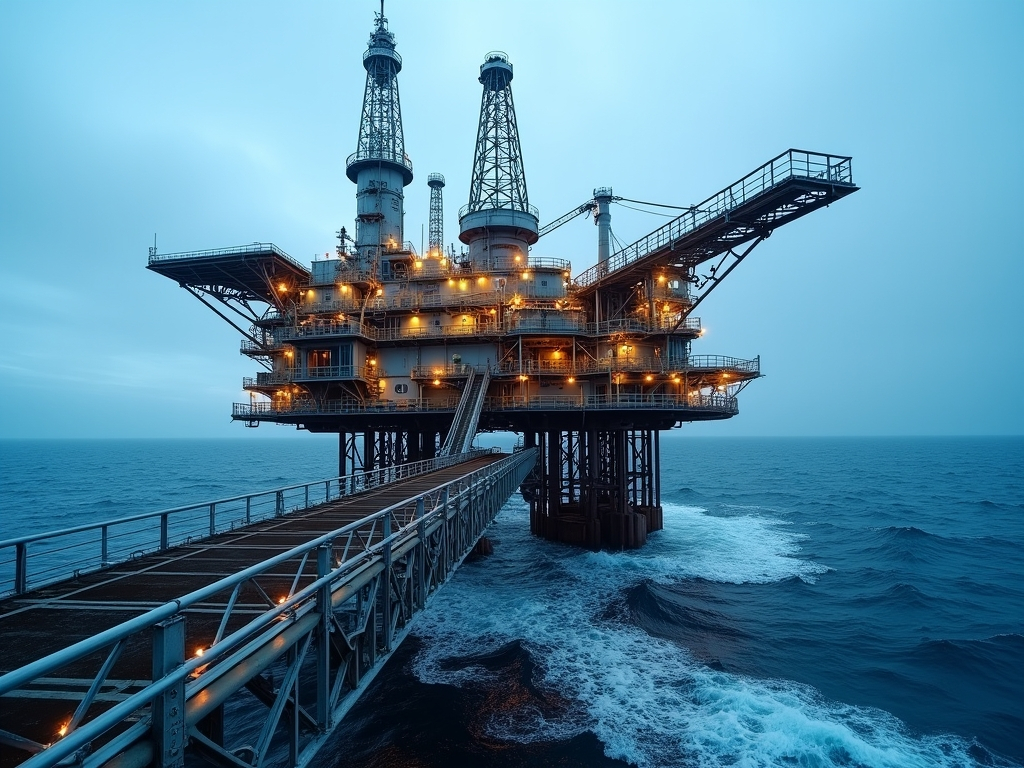
BP has announced plans to sell its North Sea oil and gas operations, signalling the end of nearly 60 years of activity in the region.
On Friday morning, the company confirmed it had begun a formal process to market its North Sea assets for a possible sale. The decision forms part of a broader strategy by BP’s new chief executive, Meg O’Neill, to streamline operations and reduce overall debt.
O’Neill stated: “The North Sea continues to play a key role in the UK’s energy system. However, as we refine our portfolio and allocate investment toward our most valuable opportunities, we believe these assets may be better suited within another organisation.”
She emphasised that the UK would remain significant to BP’s long-term plans, adding: “We take pride in supporting jobs, contributing to the national economy, and helping ensure reliable energy supplies every day.”
BP’s presence in the North Sea began in 1964, when it secured its first exploration licence in UK waters. The company discovered the West Sole gas field in 1965 and later made its largest regional find in 1970 with the Forties field.
The planned departure comes amid growing concern over climate change, as Europe faces increasing wildfires and prolonged droughts. Angharad Hopkinson, a political campaigner at Greenpeace UK, described BP’s move as “a warning sign for a declining and heavily polluted basin.”
She added: “If the North Sea truly guaranteed jobs, growth and energy security as industry advocates suggest, its largest operators would not be preparing to leave.”
Meanwhile, Andy Burnham said on Thursday that he would adopt a “practical” stance on North Sea drilling, noting that the government must consider the potential energy resources still available there.
Chris Beauchamp, chief market analyst at the trading platform IG, characterised BP’s decision as “a turning point.”
He commented: “It speaks volumes that BP is unwilling to wait and see whether the new government can revitalise UK energy policy. The company appears to believe that progress will be too slow at a time when developing new energy sources is increasingly urgent, and that delaying action would not be a wise allocation of capital.”
The energy secretary, Miatta Fahnbulleh, confirmed she was in ongoing discussions with BP regarding its plans.
“The North Sea remains a critical national resource, and we will approach this situation pragmatically, recognising that oil and gas will continue to form part of our energy mix for years,” she said. “My focus is on safeguarding workers and supporting local communities throughout the sale process.”
Since production began in the 1960s, a total of 47.7 billion barrels of oil equivalent (BOE) have been extracted from the UK continental shelf, according to figures up to the end of 2024.
The North Sea Transition Authority estimates that 2.9 billion BOE of proven oil and gas reserves remained in UK waters at the close of 2024. In addition, around 6.2 billion BOE are classified as contingent resources—known deposits that could potentially be recovered but are not yet commercially developed.
A further 4.6 billion BOE are considered prospective resources. These represent undiscovered but potentially recoverable quantities identified through geological mapping that have yet to be drilled. Extraction of these resources would depend on government approval and commercial viability assessments by energy firms.
BP has already been scaling back its UK exposure this year. In May, it revealed plans to sell its stakes in two major carbon capture and storage projects located in north-east England.
However, the company intends to retain several UK operations, including its aviation fuel supply business, retail fuel stations, its UK-based trading division and its London headquarters.
O’Neill assumed the role of chief executive on 1 April. Less than two months later, BP replaced its chair, Albert Manifold, citing serious concerns related to governance, oversight and conduct—allegations he has rejected.