Heat pumps and insulation could reduce UK household costs more than new oilfields, study finds
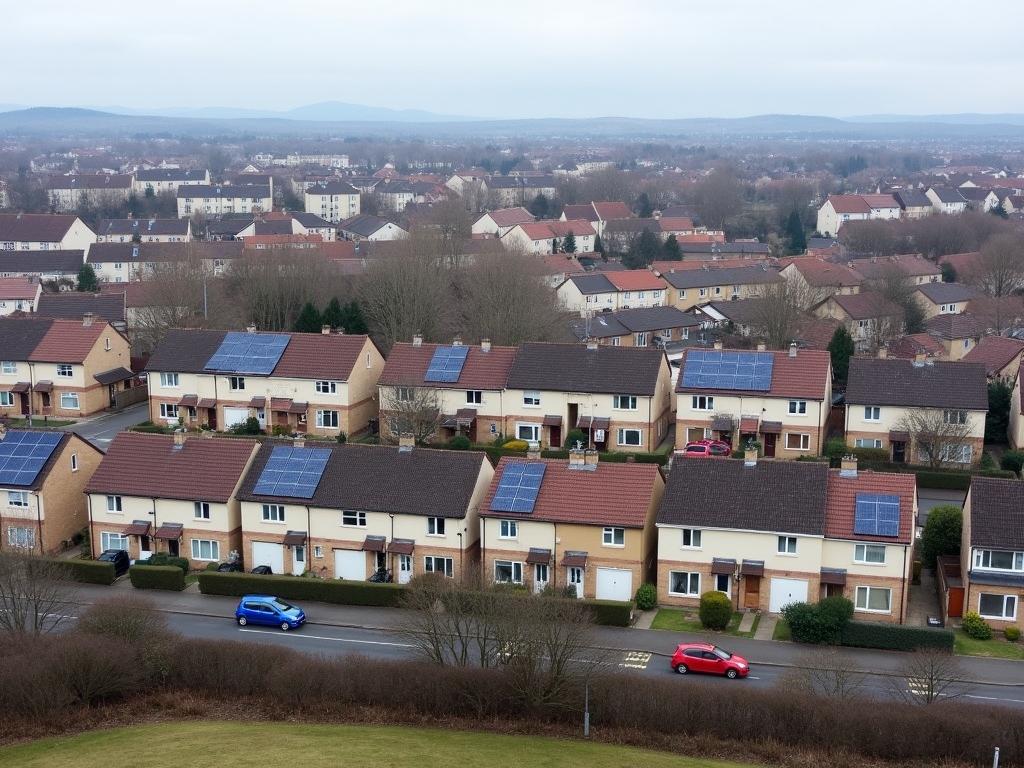
Improving insulation in British homes and expanding the use of heat pumps could do more to reduce living costs, support employment and strengthen the UK economy than opening new oilfields, according to new analysis.
The government’s £15bn warm homes programme, which faces possible reductions as ministers look for spending cuts, could lower household energy bills by £1bn a year nationwide, with the largest benefits going to lower-income households, research from the thinktank E3G suggests. The plan could also add £1.6bn a year to the economy and support roughly 50,000 jobs across thousands of smaller firms.
By comparison, the Rosebank oilfield west of Shetland would support about 1,100 direct and indirect jobs, the analysis found. Most of those roles would be focused in the North Sea sector and linked to two companies, including Equinor, which is based overseas.
The energy secretary, Miatta Fahnbulleh, said on Wednesday that a decision on whether to approve the Jackdaw gasfield in the North Sea was close. A ruling on Rosebank, she said, was expected to take somewhat longer.
Labour pledged during the 2024 election campaign to stop issuing new oil and gas licences, although Jackdaw and Rosebank may be treated differently because they had already entered the licensing process.
Equinor had previously said that Jackdaw and Rosebank together could generate 3,500 jobs at their peak.
Energy specialists have repeatedly said that additional North Sea production would not lower fuel costs or resolve possible UK supply pressures linked to the Iran war, since oil and gas are traded and priced internationally.
Supporters of further drilling argue that new projects could raise economic activity and generate tax income. However, separate work by WWF and the campaign group Uplift indicates that public revenues may be modest because oil and gas companies can benefit from major allowances. Rosebank’s owners – Equinor, Shell and Ithaca Energy – could make £1.5bn in profits over the field’s 25-year operating life, while tax reliefs and incentives could leave the government facing a £258m loss.
North Sea tax receipts were about £4bn in 2025-26, but estimated tax support and relief for upstream operators totalled £3.26bn.
With the North Sea basin declining rapidly, tax income from extraction is forecast to drop to around £100m by 2030. The cost of dismantling ageing oil and gas infrastructure is another concern, with taxpayers potentially facing a £12bn bill for decommissioning platforms and associated equipment.
E3G said the warm homes programme, which could insulate as many as 5m properties, would also attract an additional £15bn of private investment. That spending would be distributed throughout the country rather than centred in a single region, reflecting Andy Burnham’s call for growth “in every postcode”.
The thinktank estimates that fully delivering the warm homes programme would increase GDP by 0.08%. In contrast, modelling using artificial intelligence suggests Rosebank would contribute an average of about 0.025% over its lifetime, based on oil prices eventually falling back to $70 a barrel. If public funds covered decommissioning costs, that could erase any overall economic gain.
James Huw Dyson, a senior researcher at E3G, said: “When the first cold spell arrives, people will not thank the government for reducing home insulation while offering major oil companies tax breaks to extract polluting fuel that leaves bills high. If ministers are serious about the cost of living and investment throughout the country, they should prioritise better-insulated homes and clean energy, cutting bills while creating secure jobs across Britain.”
Ten large trade unions wrote to the government on Thursday opposing a licence for the Rosebank oilfield. Dozens of Labour MPs have also objected, while 600 scientists wrote to ministers during the summer calling for the proposal to be reconsidered.
Dhara Vyas, chief executive of Energy UK, which represents energy companies, said: “The government needs to remain committed to electrification. Weakening the warm homes programme or making further changes to the zero-emission vehicle mandate creates uncertainty in a market that has been unstable for too long. Businesses cannot simply restart production at short notice, and too many have already been forced to shut down.”
The Department for Energy Security and Net Zero did not comment on E3G’s analysis or on the future of the warm homes programme.
A spokesperson for Adura, the Equinor and Shell joint venture that owns Jackdaw and Rosebank, said: “Studies have indicated that approving Rosebank and other proposed North Sea oil developments could support £35.3bn in UK economic value between 2026 and 2035. Rosebank represents £8.7bn in private investment, with three-quarters expected to be spent in the UK, and alongside Jackdaw could provide £4.1bn in extra tax revenue over the next decade.”
Those calculations include the companies’ wider activities beyond Rosebank and Jackdaw, as well as assumptions about supply-chain effects and employee spending that are difficult to predict. They also do not account for available tax relief estimated at more than £2.4bn. Unlike standard Treasury methodology, Adura’s figures do not appear to apply a discount rate to income expected in future years.