
SpaceX Starship rocket blast hampers Musk's Mars ambitions
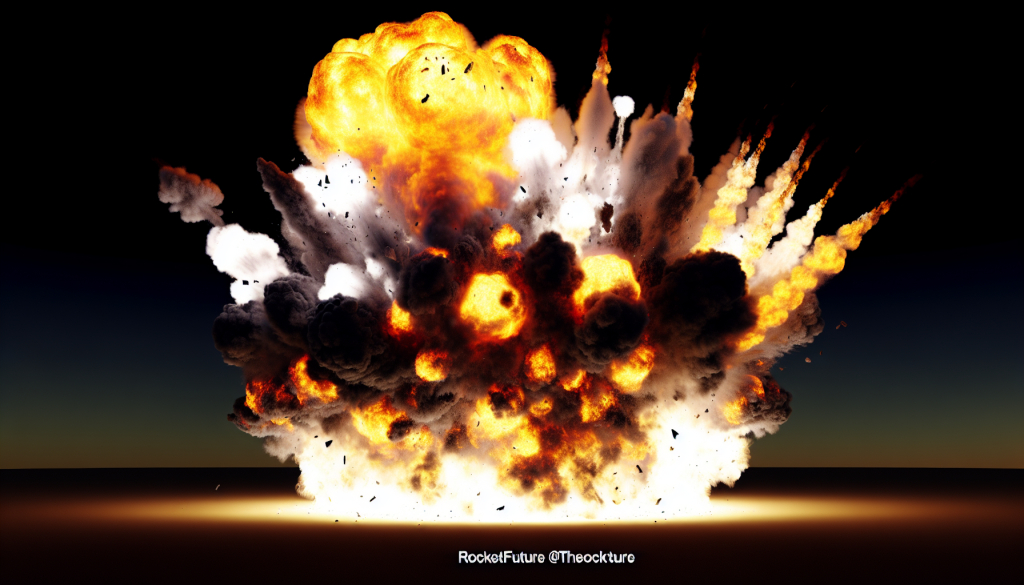
June 19 (Reuters) – Late Wednesday night, SpaceX’s powerful Starship rocket burst into flames during a test at the company's Starbase facility in Brownsville, Texas. The incident marks another hurdle for Elon Musk’s ambitious plan to send humans to Mars.
The explosion happened around 11 p.m. local time as the vehicle sat on a testing platform, gearing up for its tenth trial run. According to a statement from SpaceX, the event was due to a “major anomaly,” though no injuries were reported. The company noted that engineers are investigating the cause and are working with authorities on safety and environmental concerns.
Elon Musk, posting on his social media platform X, suggested that the likely culprit was a malfunctioning nitrogen gas container known as a Composite Overwrapped Pressure Vessel (COPV), which may have ruptured under pressure. If confirmed, this would be an unprecedented failure for this particular component design, Musk noted.
Footage of the event captured at least two blasts erupting from the rocket, illuminating the night and scattering fragments into the surrounding area.
Standing 400 feet (122 meters) tall, the Starship rocket is a central part of Musk’s vision for future Mars missions. However, the program has encountered repeated technical challenges in recent months.
In late May, a Starship test launch ended prematurely when the rocket lost control mid-flight. While it progressed further than earlier explosions that happened during previous trials, the mission still missed key objectives. Debris from one of the failed launches was reported over parts of the Caribbean, disrupting air travel in the area.
Two months prior, another Starship met a similar fate, disintegrating minutes after liftoff. That incident prompted the U.S. Federal Aviation Administration (FAA) to temporarily restrict flights in parts of Florida due to safety concerns.
Social media videos showed fragments burning through the sky above areas like South Florida and the Bahamas. According to a SpaceX broadcast, the rocket spun out of control after losing engine power. Musk later referred to that failure as a “minor setback.”
Earlier this month, the FAA concluded its investigation into that earlier mishap, determining a hardware fault in one of the engines to be the most probable cause. SpaceX identified eight fixes to prevent future problems, all of which the FAA confirmed were completed before the late-May launch.
Back in January, yet another Starship vehicle disintegrated shortly after takeoff, scattering debris across Caribbean islands. One fragment even struck a vehicle in the Turks and Caicos Islands, causing limited damage.



