The revival of Sicily's historic 'white treasure'
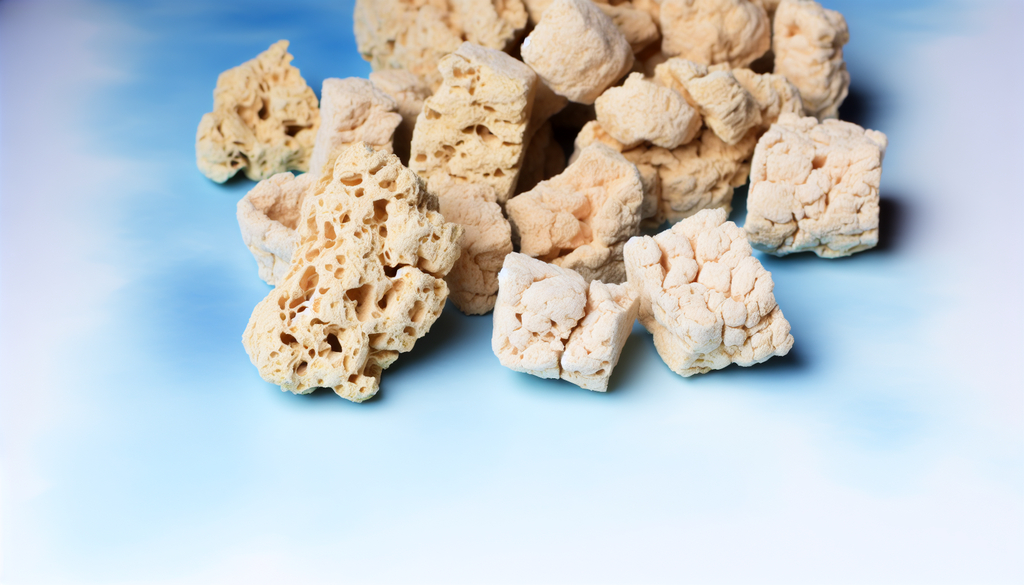
Referenced 17 times in the Bible and harvested for over a millennium in the Mediterranean, an ancient "superfood" is making a comeback thanks to the efforts of a determined Sicilian farmer.
Under the steamy summer sun in the Madonie mountains of Sicily, just over 60km from Palermo, the stillness is broken by the voice of Giulio Gelardi. Standing among his ash trees, he gestures at a pale-streaked branch and says, “You’re just in time—this is the manna.”
This thick, white resinous substance—rich in minerals and mentioned multiple times in the Bible—coats the bark of the trees. Known as manna, this sweet sap was once widely gathered throughout the Mediterranean, before becoming nearly obsolete due to industrial progress and urban spread over the last century.
For three decades now, Gelardi has dedicated his life to reviving manna as a staple food, and today, this age-old resin is being rediscovered by chefs and culinary artisans alike.
Even if you've never tried manna, its name might sound familiar. The phrase “manna from heaven” recalls a Biblical episode in which divine sustenance rained down on the Israelites in the desert. The Book of Exodus depicts it as a delicate substance resembling frost. Though its exact nature remains subject to scholarly debate, a sugary, frost-hued resin named manna has been siphoned from ash trees across the Mediterranean for more than a thousand years.
In the Madonie region—encased by the 40,000-hectare Madonie Natural Park—manna harvesting is recorded as far back as the 9th century during the Arab era. By the Renaissance, it had become an essential product for local farmers, who sold it as a sweet treat akin to cane sugar with nutty undertones. This trade was lucrative enough to attract taxation by the Kingdom of Naples during the 1500s.
Manna farming was once an everyday livelihood in Sicily, sustaining many families until the mid-20th century. Archival footage from 1936 displays farmers collecting the sap, which was sold to pharmaceutical firms for extracting mannitol, a sweet compound with medical uses. But the process was largely abandoned after the 1950s when mannitol began to be produced synthetically.
When Gelardi returned to his childhood town of Pollina in 1985 after 15 years away, he noticed that this unique cultural practice was disappearing. “When I was a kid, everyone harvested manna,” he remembers. “But by the time I came back, only a handful still knew how to do it.”
Pollina, a quaint hilltop town of 3,000 residents, is nestled into the limestone cliffs. Gelardi had learned the tradition from his parents. “The whole family joined in,” he recalls. Men made careful cuts with curved blades, women used prickly pear stems to gather the sap, and children shaped the sticky substance into tubular forms known as cannoli, named for their resemblance to the sweet treat.
What makes manna collection particularly challenging is determining the ideal moment to wound the bark. Ash trees secrete sap all year, but the harvestable manna flows only during the peak of summer. Gelardi warns that improper timing can halt sap production entirely. “Recognizing when to cut requires years of experience and a connection with the trees,” he says. “It’s about watching for the right signs.”
These cues might include a change in leaf color from deep green to a lighter hue with yellowing tips or even soil cracks signaling the tree is under water stress. These signs suggest the tree is ready to release its excess sap. Once identified, a shallow incision is made. If a drop of sap appears, deeper cuts follow to channel the sticky fluid toward the trunk’s base.
“You can’t learn this from a textbook,” Gelardi says. “Without passing this craft along, centuries of farming wisdom could be lost.”
Motivated to preserve this meaningful tradition, Gelardi began his revival mission shortly after his return. Initially, his neighbours didn’t share his enthusiasm. “They thought I was clinging to the past,” he remembers. Yet, he pushed ahead, eager to learn everything about manna.
He spoke with elders, refining his skills, and scoured libraries in Palermo. “While I knew it was used as a sweetener and medicine,” he says, “I later discovered it was also applied for detoxification, skin care, arthritis, and respiratory issues.”
He came to appreciate how deeply manna shaped local traditions. Gibilmanna, a nearby hilltop shrine, derives its name from the Arabic “gibil” (mountain) and “manna”. Even regional expressions, such as "vivere di mieli e manna" (to live on honey and manna), speak to its cultural significance.
In 1986, Gelardi started distributing educational brochures about manna to guests at a nearby resort. “People were fascinated by its medicinal uses and historic value,” he said. By the 1990s, he was conducting interactive tours for visitors. “They began to see it as Sicily’s unique superfood.”
Manna is primarily made up of mannitol, along with essential minerals like calcium, magnesium, and potassium. According to botany professor Vivienne Spadaro from the University of Palermo, manna can help restore mineral deficiencies and is used in various remedies. “It has laxative, anti-inflammatory, and healing effects,” she notes. With its low glycemic index, some varieties are suitable even for diabetics and those on low-calorie diets.
Seeking to modernize the process, Gelardi designed a cleaner extraction method. Instead of letting sap drip directly on the bark, he installed an aluminum spout and guiding line, directing the sap away from impurities. This innovation nearly doubled his yield.
His revitalized product soon found eager buyers. Bakers and chefs began using manna in desserts like wafers and chocolate truffles, while pharmacists turned it into supplements and skin-care solutions. Major cosmetic brands such as Biotherm and Yves Rocher have incorporated it into skincare items.
In 2002, the international group Slow Food recognized Madonie manna as a protected heritage ingredient. By the mid-2000s, high-end eateries across the region were showcasing it in their dishes.
“I started with traditional fruitcake but quickly discovered that manna pairs nicely with savory recipes,” says chef Giuseppe Zingales from Hostaria Cycas in Castelbuono. His creative dishes include pork tenderloin crusted with manna, asparagus risotto blended with bacon and sap, and a wild thistle flan with a manna-based sauce. At nearby Ristorante Nangalarruni, chefs Peppe Carollo and daughter Francesca coat roasted piglets with crushed manna and nuts.
“It’s all about moderation,” Francesca explains. “Just enough manna makes savory dishes more interesting. Too much, and it overwhelms the palate.”
Pastry artisans are especially drawn to this sugary resin. Renowned patissier Nicola Fiasconaro now crafts a special panettone with chocolate and a frosty manna glaze, while Michelin-starred chef Davide Oldani once featured chocolate-covered manna sticks at his restaurant D'O between 2014 and 2016. Today, “white gold” can sell for as much as €200 per kilogram and is used in a variety of sugar-free confections like muffins and biscotti.
Much of the manna comes from the Manna Consortium of Madonie, co-founded by Gelardi in 2015. The cooperative helps promote the craft and supports aspiring young manna farmers.
“I grew up hearing about manna but never learned the art of harvesting,” says Mario Cicero, a local chef who returned to Castelbuono after working abroad. Under Gelardi’s guidance, he mastered the technique and now cares for over 200 ash trees. “Giulio has taught me plenty,” he says. “But his greatest gift is the passion he shares.”
Gelardi takes pride in seeing the next generation embrace the role of ntaccaluori—the traditional bark-cutters. “Every new hand that learns this trade safeguards a legacy rooted in centuries of Sicilian heritage,” he says.
--
If you enjoyed this article, subscribe to The Essential List newsletter for carefully curated stories, videos, and essential updates, delivered twice weekly to your inbox.
Discover more travel insights from the BBC by following us on Facebook, X, and Instagram.