China has unveiled the world’s tallest bridge, transforming life in a remote region
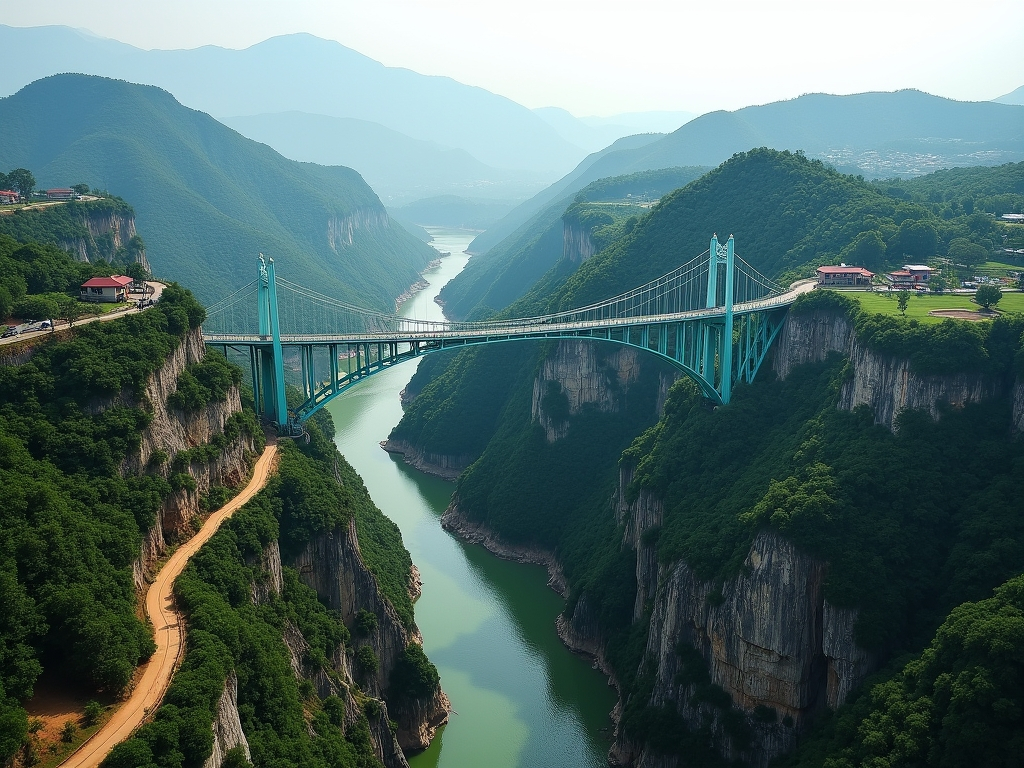
A new giant suspension bridge in southwest China has quickly become a magnet for travelers eager to capture dramatic selfies and share them on social media. Yet for local residents, the structure represents far more than a scenic backdrop. It provides a direct connection to a major highway, cutting travel time from several hours to just minutes, and stands as a symbol of large-scale investment that has brought high-speed internet to this once-remote region.
The Huajiang Bridge stretches across the Grand Canyon in the mountainous province of Guizhou, soaring 625 meters above the river below and earning recognition as the highest bridge in the world. The entire structure measures 2,890 meters in length, with a main span of 1,420 meters.
Since its official opening in September 2025, the area has experienced a sharp rise in visitor numbers. At the same time, companies have accelerated investments in 5G networks and modern telecommunications infrastructure to support both tourism and local communities.
The growing influx of travelers has encouraged the development of new businesses in the surrounding area, including shops, restaurants, and family-run guesthouses catering to visitors.
Recently, journalists from the Associated Press visited the region as part of a special media tour to observe how the bridge is reshaping daily life and economic prospects.
As China continues expanding transport and digital infrastructure in remote territories, nearby communities are also benefiting from improved internet coverage and stronger connectivity.
One example is the ancient town of Tianlong Tunpu, located more than 100 kilometers from the bridge. The settlement has a history spanning over 600 years.
Founded as a military outpost during the Ming dynasty, Tianlong Tunpu is now renowned for its traditional Dixi opera performances. These theatrical productions feature military-themed storylines, vividly painted wooden masks, and a distinctive performance style that sets them apart from other forms of Chinese opera.
Local residents say the number of tourists has increased significantly, partly due to social media exposure that has introduced the town and its cultural heritage to a broader audience.