The top city in the world to witness the 2026 solar eclipse
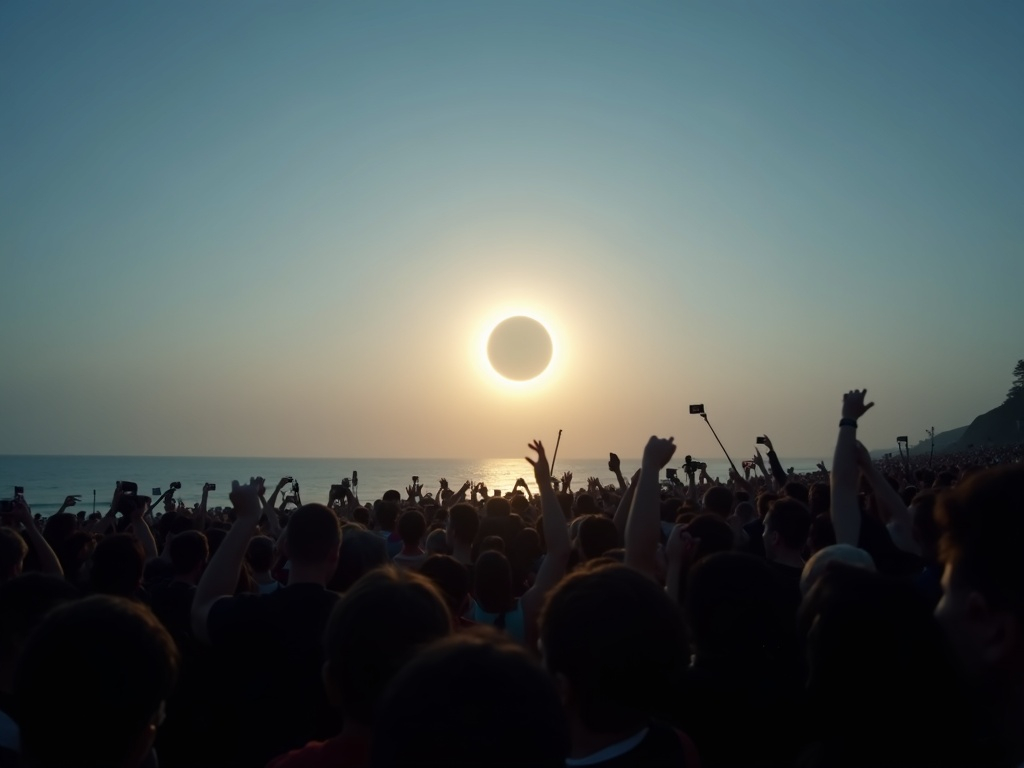
In August 2026, Spain will witness an extraordinary astronomical event — the first of three eclipses set to occur within just two years. One Spanish city is already preparing a wide-ranging program for both visitors and residents, according to National Geographic.
On August 12, 2026, a total solar eclipse will be visible from several regions of Spain, but Valencia has drawn particular attention from astronomers and travelers alike. The city lies directly along the path of totality, where the eclipse will last between 60 and 70 seconds — from 20:32 to 20:33. The partial phase will begin at 19:38 and continue until 21:01, unfolding dramatically as the sun sets.
“A total solar eclipse is more than just a spectacle — it is one of those rare moments when nature ‘switches off’ the sun enough for us to observe what is otherwise hidden,” explains European Space Agency astronomer Pedro García Lario.
The last time a total solar eclipse was visible from mainland Spain was in 1905. After the August 2026 event, the next one will not occur until 2053. Between 2026 and 2028, however, Spain will experience three eclipses — a sequence astronomers describe as exceptionally rare for a single country.
Valencia has already outlined plans for dedicated viewing areas, public lectures, workshops, and guided tours. Hotels are designing special “eclipse packages,” offering themed cocktails and terrace access with sunset views. Visitors will also have the option to watch the phenomenon from a yacht or a traditional wooden boat in the Albufera Natural Park.
For those hoping to avoid large crowds, the regional government of Valencia has identified official observation points outside the city, including Puçol Beach and the certified dark-sky reserve of Aras de los Olmos.
Astronomers emphasize that observing a solar eclipse without proper eye protection is dangerous.
“It can result in permanent loss of central vision,” García Lario warns.
Safe viewing requires glasses certified under ISO 12312-2 standards — ordinary sunglasses do not provide adequate protection.
Experts also note that during totality, the Moon’s shadow will sweep across a vast stretch of Earth, forming a path thousands of kilometers long and hundreds of kilometers wide. Within the zone of totality, daylight will fade for nearly two and a half minutes, offering a rare opportunity to see the sun’s corona with the naked eye.