All we know on the seventh day of the US and Israel’s war with Iran
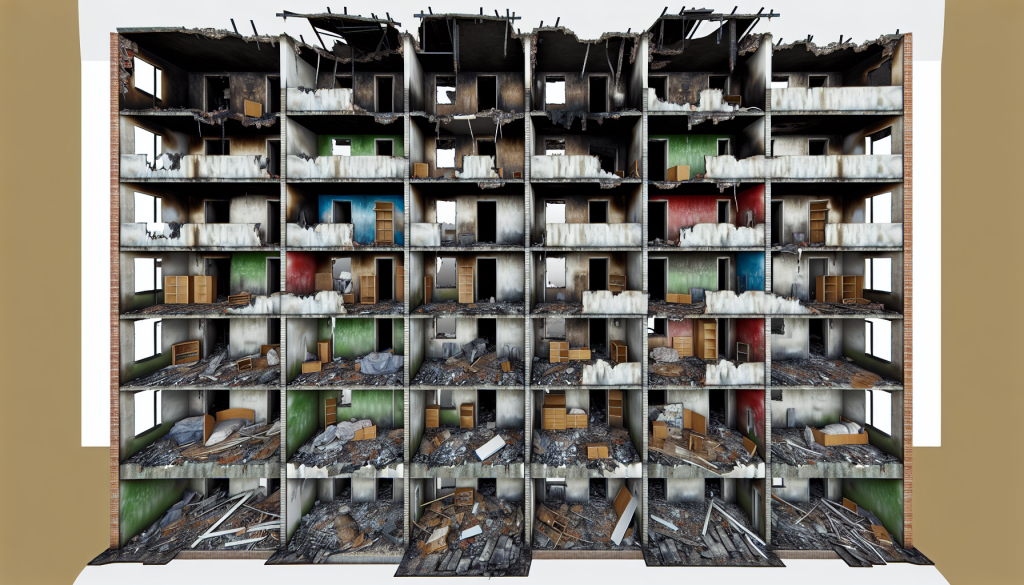
Almost a week into the newest escalation in the Middle East, Iran’s military activity across the region has dropped sharply, while American strikes continue to intensify and Israeli bombardments spark fear in southern Beirut.
The Trump administration has cautioned that the conflict, which Lebanese and Iranian state outlets say has already left more than 1,320 people dead, is likely to widen further. NATO allies, though uneasy, are increasingly being drawn into the confrontation.
Here is a breakdown of the key developments.
What are the main headlines?
• US and Israel step up operations: Joint US-Israeli attacks targeting Iran and Lebanon have accelerated, with blasts reported across Tehran and Beirut late Thursday into early Friday. US Central Command said the military is deploying “new capabilities.” Defense Secretary Pete Hegseth signaled that more forceful actions could follow.
• Iran scales back retaliation: Iranian ballistic missile launches have fallen by roughly 90%, while drone strikes are down by 83%, according to US Central Command. The slowdown could ease pressure on Gulf nations that have faced much of Tehran’s counterattacks.
• European involvement grows: The United Kingdom, France and Spain have committed military assistance to safeguard allied interests. At the same time, several European leaders have voiced concern about the war. Italy, despite sending defensive systems to the Persian Gulf, said the US-Israeli offensive breached international law.
• NATO on alert: NATO countries have strengthened their defensive posture after a suspected Iranian missile was intercepted en route toward Turkish airspace on Wednesday. Iranian state media denied that any missile was launched toward Turkey.
• Financial markets uneasy: Asian markets steadied Friday after days of turbulence driven by fears of energy supply disruptions. However, analysts warn volatility may persist. President Trump said rising US gas prices, up about 20% in a week, are not a concern for him.
What’s happening in Iran and Lebanon?
• Israel expands campaign: Israel’s military chief said the country is entering the “next phase” of the war after conducting 2,500 strikes using more than 6,000 munitions. He indicated operations would move deeper into Lebanon. In Iran, Israel launched what it described as a large-scale wave of strikes on major regime infrastructure in Tehran early Friday.
• Southern Beirut hit: Fresh Israeli airstrikes targeted southern districts of Beirut considered strongholds of the Iran-backed group Hezbollah. Evacuation warnings covering neighborhoods housing more than half a million residents triggered chaos, with many fleeing. Images show families displaced in the streets and heavily damaged apartment blocks.
• Rising casualties: According to Iranian and Lebanese state media, more than 1,200 people in Iran and over 120 in Lebanon have been killed since the latest round of fighting began. The Iranian Red Crescent reports that upwards of 3,000 homes have been damaged nationwide. Iranian attacks have also resulted in fatalities in other regional countries.
What’s happening in the rest of the region?
• Iran targets Israel: Tehran said it carried out a combined drone and missile assault on Tel Aviv Thursday night. Observers on the ground reported seeing what appeared to be a cluster munition detonation in the skies over central Israel.
• Gulf states under fire: Saudi Arabia reported intercepting three drones east of Riyadh on Friday and three ballistic missiles aimed at a southern base the previous night. In Bahrain, Iranian strikes hit a hotel, two residential buildings and an oil refinery. Qatar and Kuwait also said they intercepted incoming missiles and drones early in the morning.
• Radar systems struck: Satellite imagery from military installations across the Arabian Peninsula indicates Iran may be attempting to degrade THAAD air defense systems by targeting US-manufactured radar installations used to track incoming threats.
• Conflict spreads: Azerbaijan has accused Iran of launching strikes on its territory for the first time since hostilities began, a claim Tehran denies.
• Travel disruptions: Hundreds of Americans arrived home Thursday on the first charter evacuation flight from Abu Dhabi. Other nations are organizing similar repatriation efforts, though air travel remains severely affected. Flight tracking data shows more than 11,000 flights across 10 countries have been canceled since the conflict erupted.
The latest from Washington
• War powers debate continues: The US House of Representatives on Thursday rejected a proposal to limit President Donald Trump’s authority to conduct military operations, following a similar failure in the Senate a day earlier.
• Leadership in Iran: President Trump said he expects to have a role in discussions about Iran’s next supreme leader and dismissed the possibility that Mojtaba Khamenei would succeed his father, the late Ayatollah Ali Khamenei.