Halloween at Risk: Heat May Ruin the Holiday’s Main Symbol
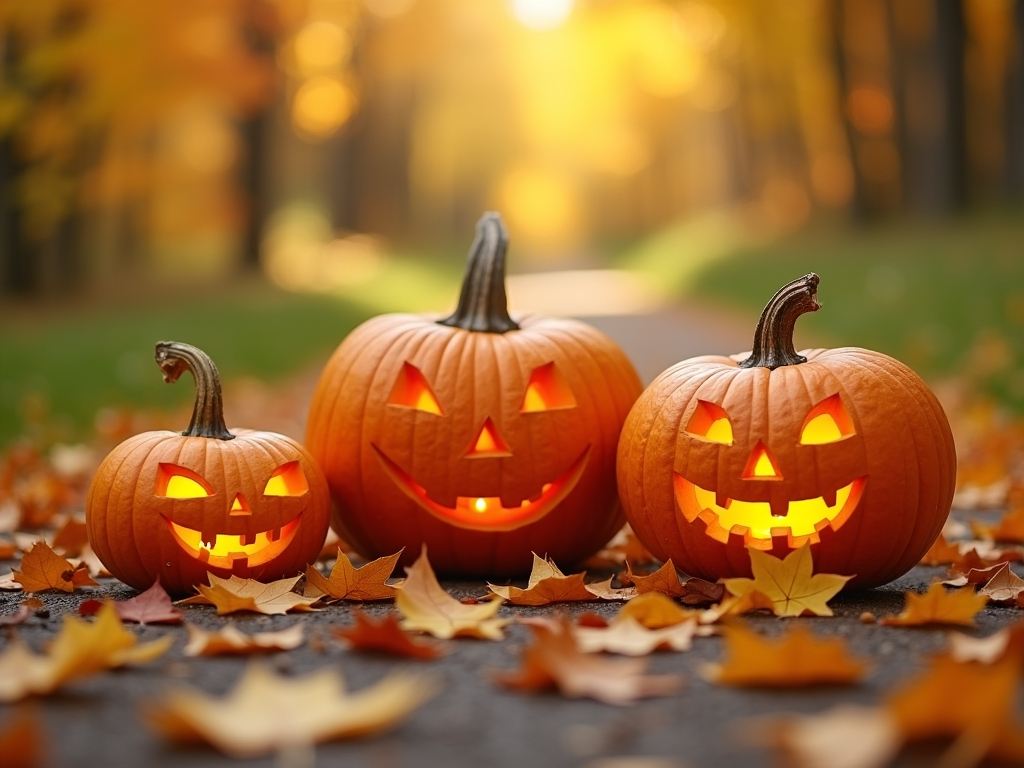
This year’s Halloween pumpkins may be too small for traditional lantern carving. Record heatwaves and prolonged drought have affected crop growth, leaving many growers with smaller fruit than usual.
Orange pumpkins are one of the best-known symbols of the autumn holiday, typically carved into spooky faces and other designs. Farmers, however, warn that this season’s pumpkins could be almost half their normal size. Their skins have also become thicker, making them more difficult to cut and carve.
The main problem has been unusually high temperatures. When the air warms to around 30°C, pumpkins develop more slowly. Between May and September, the UK experienced five consecutive heatwaves, with temperatures above 30°C recorded for roughly 40 days. This period is especially important for pumpkin growth.
Drought conditions across large parts of England and Wales made matters worse. With too little water available, plants were unable to reach their usual size before the harvest season.
“During the heat, pumpkins stopped growing earlier than expected, even where there was still some moisture in the soil. The combination of limited water and extreme temperatures created a double challenge,” said Suffolk farmer David Coulter of Home Farm Pumpkins.
Some growers are already encouraging families to avoid carving pumpkins this year and decorate them with paint or drawings instead. Others believe the smaller harvest offers a useful opportunity to show children how weather conditions can affect food production.
Gavin Lane, president of the Country Land and Business Group, said the current situation could help parents explain how changing weather patterns influence harvests and why growing vegetables may become more difficult in the years ahead.
“This is a good time for parents to talk with children about the role weather plays in agriculture and the possible challenges of producing vegetables in the future,” he said.
Pumpkins are far from the only crop damaged by this year’s drought and heat.
The potato harvest has also suffered, with some tubers growing so small that a major frozen-fries producer has reportedly turned to last year’s stored supplies to keep its factories operating.
Apples have become smaller as well, while ripe fruit has begun falling from trees earlier than usual. Cider producers say the hot weather has raised sugar levels in pears and apples. As a result, cider made from this year’s crop could contain more alcohol.
Heat is also affecting champagne production
Producers of sparkling wine are paying closer attention to vineyards in England as weather conditions continue to change in the south of the country. Several French champagne houses have already invested in English vineyards and wine estates, particularly in areas with conditions suitable for growing grapes.
Meanwhile, an exceptionally hot summer in France could result in some of the strongest champagne ever produced in the region. Alcohol levels may reach as high as 15%. Normally, producers must follow strict rules that limit the strength of the drink to about 13%, although regulators have allowed an exception under these unusual conditions.