Sharpest decline in petrol buying in six years drags retail sales across Great Britain
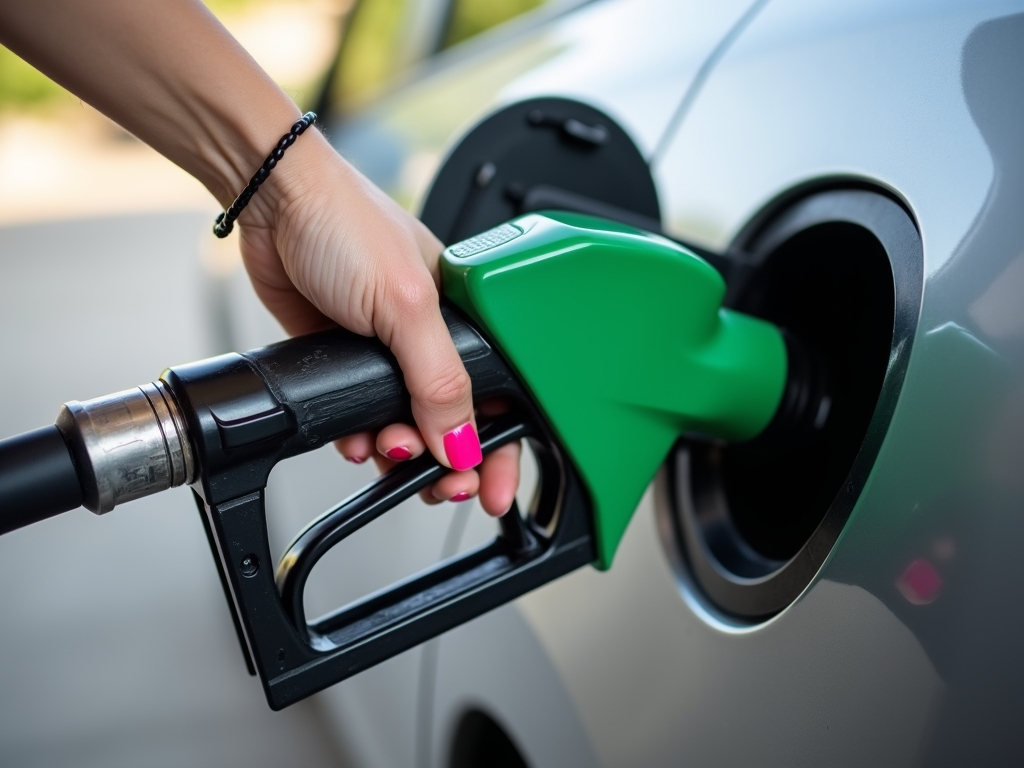
Drivers scaling back their petrol and fuel spending at the sharpest pace since the Covid lockdowns of 2020 pushed retail sales in Great Britain to their steepest monthly fall in a year.
The Office for National Statistics (ONS) reported that total retail sales volumes dropped by 1.3% in April compared with March. This marked the largest monthly decline since May of the previous year and was significantly worse than the -0.6% decrease analysts had anticipated.
Fuel sales tumbled by more than 10% over the month, representing the most pronounced fall since November 2020, when sales slid 14.8% during the second nationwide lockdown triggered by the pandemic.
“Following strong growth in the previous month, motor fuel sales declined in April, with indications that drivers were using up fuel purchased in March rather than refilling,” explained Grant Fitzner, chief economist at the ONS. “The weakness in fuel spending played a major role in the overall drop in retail sales for the month.”
The ONS also made a slight downward revision to its March figures, adjusting retail sales growth from an initial estimate of 0.7% to 0.6%.
That earlier increase had been supported by a 6.1% jump in fuel sales volumes and a 12% surge in the value of fuel purchases—the strongest monthly rise since November 2021. The spike followed heightened geopolitical tensions involving Iran, which triggered a rush to buy fuel amid the sharpest increase in prices in more than three years.
According to the ONS, if the sharp contraction in fuel purchases is excluded, overall retail sales volumes would have declined by a more modest 0.4% month on month.
Fitzner noted that certain sectors performed better, highlighting “strong and consistent” demand in beauty products as well as computer and technology stores during April.
Even so, overall in-store retail sales slipped by 0.4% compared with March. Clothing retailers were particularly affected, reporting a 2.4% drop in sales—the weakest level since June of last year—amid unsettled weather and cautious consumer spending as households remained concerned about rising costs.
Jacqueline Windsor, head of retail at PwC UK, commented: “April 2026 may be seen as the first month when the effects of the Middle East conflict were clearly felt by British consumers. Consumer confidence recorded its fastest decline in four years, and we are now seeing tangible evidence that this has translated into reduced spending in physical stores.
“The key issue now is whether this downward trend will persist, or whether improved weather in May and temporarily easing inflation might draw shoppers back to the high street as we move from spring into summer.”
Across the first quarter as a whole, retail sales increased by 1.1% compared with the same period a year earlier, and were 0.5% higher than in the final quarter of last year.