Trainer sales plunge as cost-of-living pressures weigh on JD Sports performance
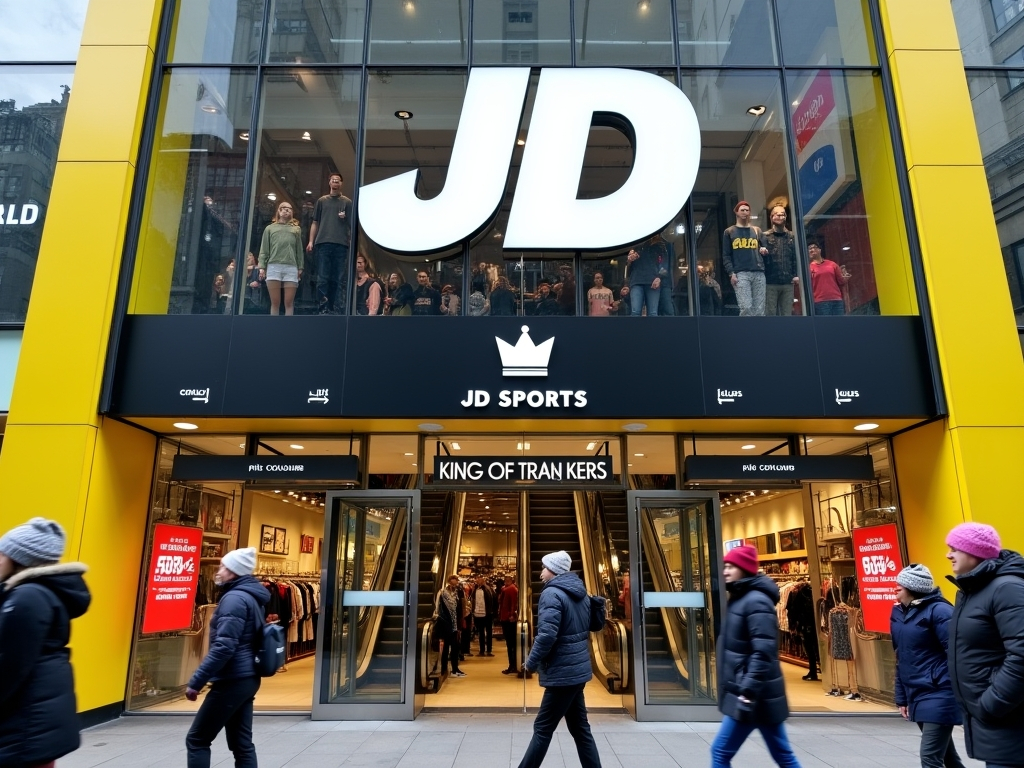
Sportswear retailer JD has lowered its profit outlook as rising living costs, intensified by the US conflict with Iran, reduced demand for trainers.
JD Sports, which stocks major athletic labels such as Nike and Adidas, said broad-based inflation had squeezed household finances. This contributed to weaker sales in key regions, including the US, where the retailer found it difficult to clear trainers and other footwear quickly.
Executives also warned that subdued consumer spending was likely to persist through the second half of the year, pushing earnings below earlier expectations. The company now forecasts full-year pre-tax profit of between £700m and £800m, compared with its previous range of £750m to £850m.
The announcement sent JD’s London-listed shares down 12% on Thursday morning, leaving them at their lowest point since July.
Chief executive Régis Schultz said trading during the second quarter had remained challenging. He added that JD had responded with discounts and promotional offers because its main customers were facing additional cost-of-living pressures.
The group, which operates about 4,800 stores worldwide, including the JD, Blacks and Millets chains in the UK, said higher fuel costs were among the pressures affecting shoppers. Oil prices have risen amid the US-Israeli conflict with Iran, which has effectively halted tanker movements through the Strait of Hormuz.
JD reported that like-for-like sales declined by 3.1% during the second quarter. North America recorded the steepest fall, with sales down 6.8%, while revenue across Europe dropped by 2.7% over the same period.
The UK provided one of the few positive results, as excitement around the World Cup boosted demand for replica football shirts. Shoppers also spent more on outdoor equipment through high-street brands including Blacks and Go Outdoors.
Susannah Streeter, chief investment strategist at Wealth Club, said JD Sports’ performance offered another indication that conditions in the US economy were deteriorating, with American consumers becoming noticeably more careful.
She described trainers as an increasingly useful warning sign for consumer confidence. Shoppers are becoming less willing to pay for heavily promoted brands as the employment market weakens and inflation remains a major concern. Although spending has not stopped, households are choosing discretionary purchases more carefully while their budgets remain under strain.