Streetwear and crop tops elevate World Cup fashion to new levels
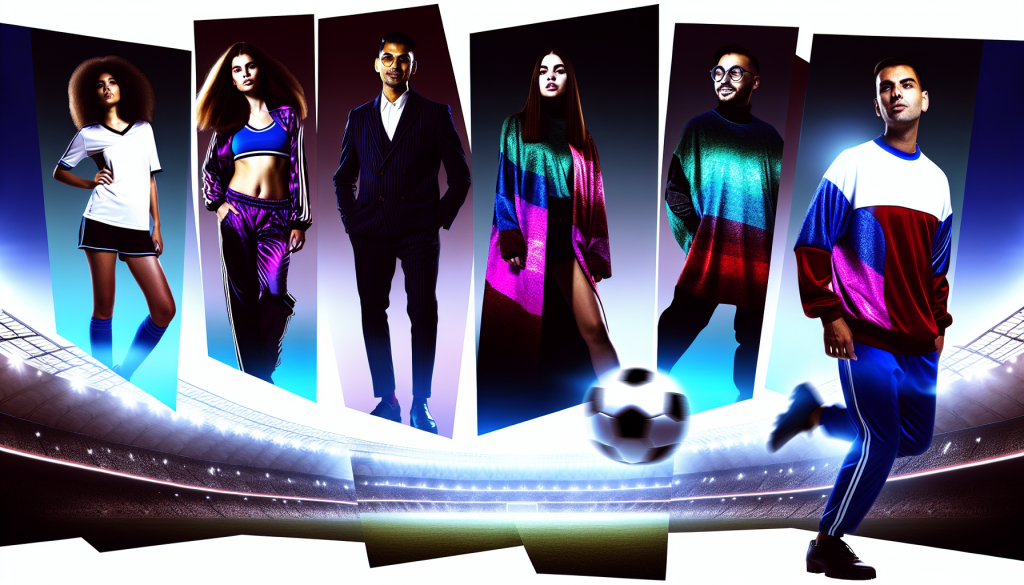
The release of new football shirts is always one of the most eagerly awaited moments of any World Cup.
This year, however, the two leading manufacturers — Adidas and Nike — have taken a different direction. Instead of focusing solely on traditional coordinated kits with matching shorts, socks and boots, both brands have leaned heavily into streetwear-inspired collections.
Drawing influence from football culture both on the pitch and beyond it, the new lines combine heritage designs with modern street staples.
Nike unveiled its World Cup home shirts through a cinematic short film featuring high-profile players such as Virgil van Dijk, William Saliba and Cole Palmer. Rather than full match kits, the athletes were styled in cargo trousers, denim and trainers, blending sport with everyday fashion.
Adidas pushed the concept even further at its recent away kit launch in Los Angeles. Celebrities including Kendall Jenner and Damson Idris attended as models paired the shirts with flared trousers, distressed jeans and micro-shorts.
According to Adidas’ global football manager, the aim is to show supporters “how to make the kits part of their everyday wardrobe.”
Sam Handy explains that the overlap between streetwear, music, fashion and football has been evident for some time, describing the sport as a shared global passion that naturally connects these worlds.
“It took a few seasons before everyone really recognised it,” he notes.
Streetwear’s connection to football can be traced back to the UK casuals movement of the 1970s.
Rather than wearing full team colours, casuals opted for a more understated look. Polo shirts, denim jackets and flared trousers from brands such as Adidas, Fila, Sergio Tacchini, Lacoste, Slazenger, Stone Island and Fred Perry replaced traditional replica kits.
Over the years, those terrace-inspired styles moved beyond stadiums and into mainstream fashion.
Adidas has referenced this heritage with its £80 Britcore Jersey in the new collection. Marketed as a 90s-inspired piece suited to layering or standing out at weekend events, it clearly targets a wider audience than match-going fans alone.
Meanwhile, Nike has introduced a Jordan and Brazil collaboration ahead of the tournament. An “old-school” goalkeeper shirt, promoted as pitch-ready style reworked for everyday wear, retails at £79.99.
With the 2026 World Cup set to take place across the United States, Mexico and Canada from 11 June to 19 July, several brands have blurred the line between performance wear and street fashion even further by releasing cropped versions of their shirts.
Adidas first rolled out cropped kits for major European clubs including Liverpool, Real Madrid and Bayern Munich in 2025, presenting them as a more dynamic option for female supporters.
Handy says the idea emerged after noticing fans cutting and resewing shirts themselves to achieve a better fit.
He adds that the future of football lies with women, stressing that brands failing to invest meaningfully in them risk overlooking half of the potential fanbase.
For 22-year-old Liverpool supporter Ellie-Ann Prendergast, choosing match-day outfits has strengthened her connection to the club. “Putting together looks for games has made the whole experience more enjoyable,” she says.
She describes herself as passionate about styling and staying updated with the latest releases, and enjoys seeing other fans express themselves through fashion on match days.
“As a newer fan, I’ve felt welcomed straight away because the community feels like a family,” she adds.
Given the strong influence of the NBA and NFL in the United States — leagues long associated with trend-driven fashion — it seems fitting that streetwear features so prominently in North America’s upcoming World Cup collections.
Yet sport and fashion have not always been so closely aligned.
In 2005, the NBA introduced a dress code requiring players to appear “business casual” while representing the league, an effort widely seen as limiting overt streetwear.
Players responded by hiring stylists and creatively interpreting the rules, maintaining elements of their personal style while complying with regulations.
According to British football content creator Tiannah Pedler, many modern footballers grew up admiring basketball players.
She argues that fashion offers footballers a rare opportunity to express individuality. “Those who are genuinely interested in style can build a powerful personal brand,” says the 26-year-old.
David Beckham embodied this in the early 2000s, while more recently players such as Kylian Mbappé, Marcus Rashford and Jude Bellingham have appeared at Paris Fashion Week during their time off.
French players, in particular, have developed a reputation for bold fashion choices, with striking outfits often attracting viral attention.
Streetwear’s formal entry into European football gained momentum in 2018, when Paris Saint-Germain announced a commercial partnership with the Jordan brand.
The collaboration, linked to basketball icon Michael Jordan, is widely credited with accelerating the fusion of high fashion and football across Europe.
Pedler notes that PSG has successfully positioned itself as a lifestyle brand, appealing even to those who may not closely follow the sport.
She also highlights Arsenal as a club embracing this strategy, having worked with several London-based streetwear labels over the past year.
“Arsenal have executed their collections exceptionally well,” she says.
“If they win the league, they might host the best-dressed title parade ever,” she adds with a laugh.
Other teams are following suit. Everton recently partnered with Los Angeles label Anti Social Social Club, while Manchester United’s collaboration with Adidas inspired by The Stone Roses has proven especially popular among supporters.
As clubs continue to recognise the demand for more fashion-forward ways to display loyalty, further streetwear partnerships are likely to become a defining feature of football culture in the years ahead.