Healey’s first budget set to unveil major devolution plan to drive growth
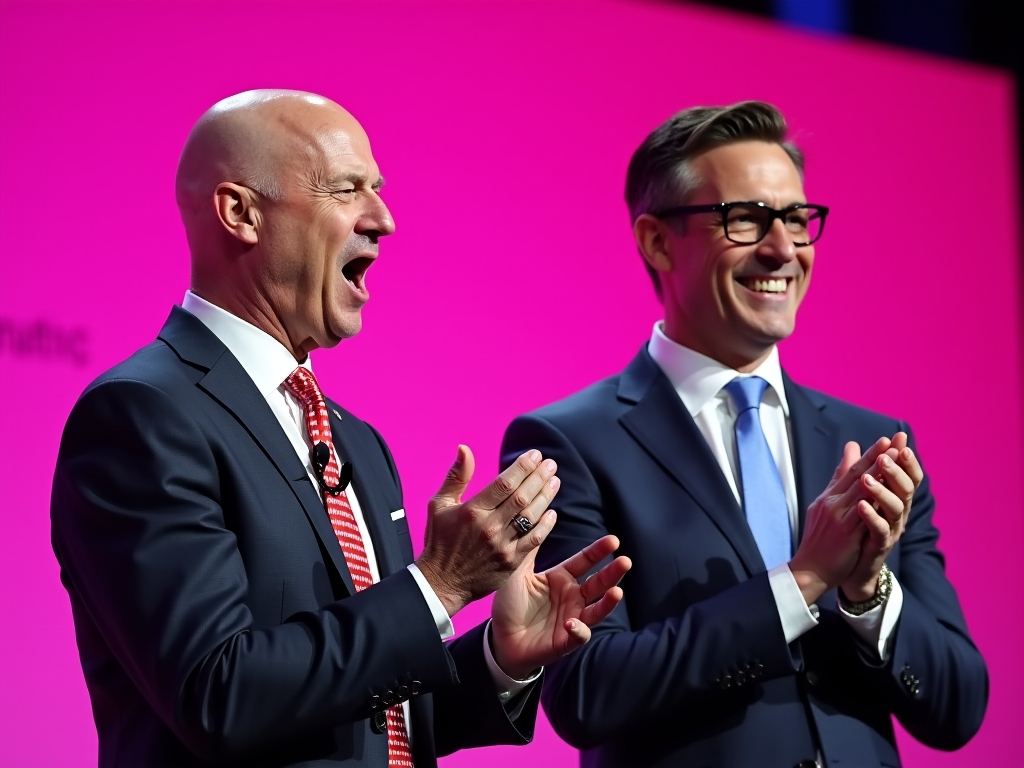
Andy Burnham has said local leaders in England should no longer be forced to go “cap in hand to Westminster” as the government prepares a new push to hand more spending authority to the regions in next week’s budget.
In his statement on Wednesday, the chancellor, John Healey, is expected to unveil proposals for a new £1.5bn borrowing facility, developed jointly with metro mayors over the next two years.
Regional leaders have long argued that their ability to borrow is too restricted, especially compared with local governments in the US and parts of Europe, where councils and cities can often raise money through their own bonds.
The borrowing scheme will be part of a wider devolution package intended to strengthen regional economies. It will also provide an initial £285m of “good growth” funding next year, allowing local leaders to invest in their chosen priorities, such as new homes, transport connections or revitalising town centres.
With Treasury officials concerned that some councils may struggle to manage substantially larger budgets, Healey will also announce £150m of assistance to help local authorities expand their teams and develop the required expertise.
Welcoming the measures, Burnham said they would free local leaders from having to seek Treasury approval for every separate scheme. “I’m ending the practice of local leaders going cap in hand to Westminster. That is not how a country should be run. When I became prime minister, I said that decisions should be made closer to home whenever possible.
“We are now putting that promise into action by moving authority out of Westminster and into the hands of those who understand their communities best.”
The £285m “good growth” fund is designed as a temporary measure until a new arrangement begins in 2028, under which some income tax receipts will go directly to local areas to provide more reliable long-term funding. The proposal was first raised earlier this year by Healey’s predecessor, Rachel Reeves.
Further details are due to be set out in the budget. Local leaders are expected to retain a share of the extra revenue generated when their local economy performs strongly, creating an incentive to pursue measures that encourage growth.
The UK remains more centralised in its approach to tax and public spending than many comparable economies, and Burnham has experienced those limitations directly during his time as mayor of Greater Manchester.
Healey said: “Mayors and local leaders understand what their communities need in order to grow. That is why we are giving them more funding, more authority and more capacity to get projects under way, build homes and make the best choices for their areas.”
The package has been developed alongside No 10 North, which has held weekly “situation room” discussions with local leaders to identify the obstacles preventing faster economic progress.
This work has already led to an announcement that the Treasury will revise the “green book”, which guides decisions on which projects should receive public funding. Under the updated approach, linked schemes that support growth, such as housing and transport plans, may be assessed together.
A government white paper on “rewiring the state”, due after the budget, will provide more information on how the civil service will change as further responsibilities are transferred from Whitehall to local areas.
Alongside the devolution measures, Healey’s first budget is expected to contain help for lower-income households facing higher energy bills, as well as limited tax increases, including measures affecting banks. The chancellor has said repeatedly that he wants to give households and businesses some breathing room after rising costs linked to the conflict in the Middle East.
Higher costs have also raised interest rates on government borrowing, adding pressure to Healey’s efforts to keep the public finances under control.
He is also expected to explain how the government will fully finance the four-year defence investment programme announced during the final days of Keir Starmer’s premiership.
However, Healey is not expected to confirm when the UK will commit to spending 3% of GDP on defence, an issue that played a major role in his departure from Starmer’s cabinet. A decision is likely to be postponed until a spending review expected next year.