
For Spain's flood survivors, a photography project aids in restoring memories
VALENCIA, Spain (AP) — Several months after powerful flash floods tore through Valencia, a determined effort continues to reclaim remnants of the past.
Last October, eastern Spain was devastated by sudden torrents of water that claimed more than 220 lives. Entire towns were buried in mud and debris, homes were inundated, and buildings suffered severe damage.
In the aftermath, volunteers from across Spain arrived in Valencia’s worst-affected neighborhoods to aid recovery efforts. Among them were students from the Polytechnic University of Valencia. Their mission was to rescue photographs lost in the chaos—precious keepsakes of families who survived. They cycled through the city, posting flyers and encouraging residents to bring in water-stained pictures, hoping to restore what they could, explained Esther Nebot, a professor of cultural preservation at the university and a leader of the project.
The damaged photographs carry a surreal beauty. Mud and water have transformed their colors, replacing familiar tones with unusual hues—neon pinks, yellows, and blues emerge where sepia and faded shades once prevailed. Though many are barely recognizable, captions scrawled in marker offer small clues.
Despite the destruction, some images still reveal outlines of faces and moments from the past.
One worn picture bears the words, “Summer, 1983,” marking a trip to a river in eastern Spain. Aside from a swirl of purples, the scene itself is lost. Another, miraculously preserved, captures an elderly woman gazing at the camera, a portrait frozen in time.
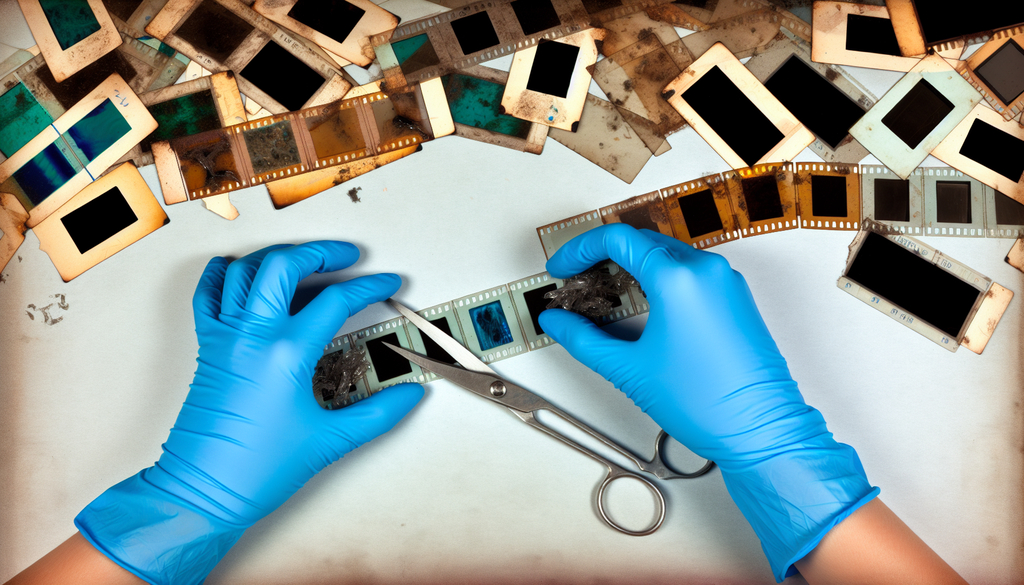
Restoration begins with cataloging each photograph and documenting how they were originally arranged in albums. Volunteers then gently rinse them in shallow water, carefully removing debris. Once cleaned, the images are air-dried and mounted onto specialized paper before being returned to their owners—along with a digital copy.
Word of the project has traveled organically, helping many flood survivors reclaim part of their personal histories.
“Losing so much makes you realize how irreplaceable some things are—especially visual memories,” said Isabel Cordero, a retired woman who once lived in a flood-ravaged ground-floor apartment in Aldaia. Though she withstood the disaster, every possession was washed away. The memories of that night haunt her—the desperate cries for help as water surged and the arrival of volunteers bringing essential supplies in the aftermath.
On a chilly morning in January, Cordero visited the university to collect a paper bag filled with recovered photographs. As she thumbed through images of her younger self and her children as toddlers, tears welled in her eyes.
“This feels like emotional wealth,” she said. “It’s something I could never replace otherwise.”
At a temporary restoration lab at the Polytechnic University of Valencia, family photographs from the catastrophic floods hang from lines, drying after intensive treatment by students and professors from the Conservation and Restoration program. (AP Photo/Bernat Armangue)
The painstaking work continues, with more photographs still waiting to be restored. So far, students have received 230,000 images and 1,800 albums. The goal is to complete the process by the flood’s one-year anniversary. But as Nebot noted, they won’t turn away anyone bringing in additional memories.
If that means missing the October deadline, so be it. Some photos have been submerged for weeks, requiring extra care. Each lost memory takes time to bring back to life.
Even now, Valencia continues to recover from the disaster. For some, however, small fragments of their past have finally been reclaimed.
___
The Associated Press’ climate and environmental reporting is funded by various private organizations. AP retains full editorial control over all content. For details on AP’s funding policies, donors, and covered topics, visit AP.org.



