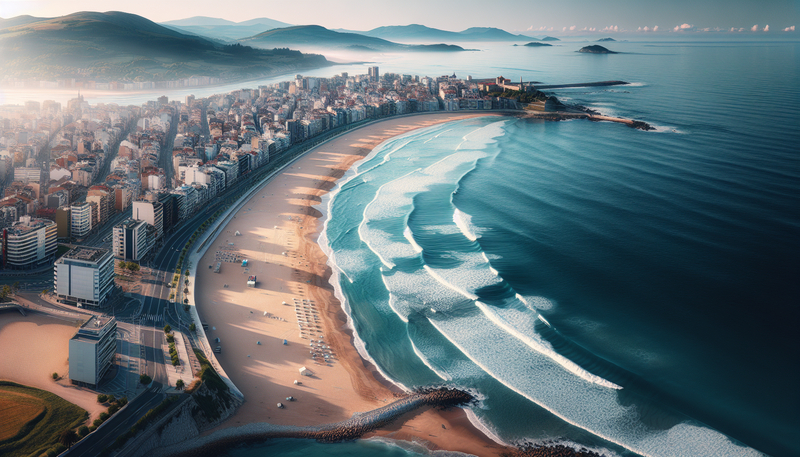
How rising ocean temperatures are transforming life beneath the waves
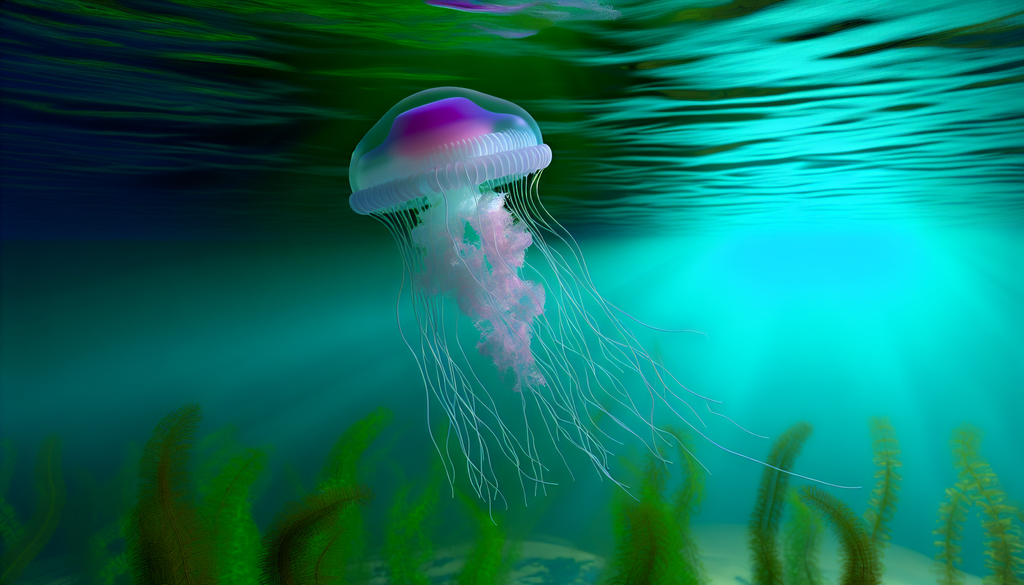
Hidden beneath the waves, the ocean harbors an incredible diversity of life — but researchers are noting significant and rather "unusual" transformations. A spike in sea temperatures due to a marine heatwave in May has impacted waters along England’s southern coast, disrupting marine ecosystems and altering the food chain.
"I’m not a researcher or anything like that," said Heather Hamilton, a snorkeler and underwater photographer from Cornwall.
"But after spending more than two decades in the sea, I’ve really started noticing changes — especially over these past two years."
Heather shares her discoveries on a blog and Instagram, documenting new marine life she finds, from various jellyfish species to a rise in octopus sightings.
These shifts in marine biodiversity have stirred complex emotions in her — a blend of enthusiasm and unease.
"In the back of your mind, you wonder, 'Is this kind of change actually good?'" she explained.
"It’s a bit disturbing to think all this is happening so rapidly in just the last few years."
Heather’s firsthand observations align with what marine ecologist Dr. Bryce Stewart from the Marine Biological Association in Plymouth describes as “dramatic transitions” in marine conditions.
Dr. Stewart, who collaborated on Sir David Attenborough’s recent documentary, said he feels “highly certain” that the changes being observed are primarily due to ocean warming.
He noted that in recent months, the coastal waters around Devon and Cornwall have shown particularly uncommon activity, amplified by an especially intense marine heatwave in May.
Fishermen in the region are witnessing an influx of octopuses, which they say is heavily impacting local shellfish populations.
These octopuses — typically a Mediterranean species — have been turning up in increasing numbers inside lobster and crab traps near the coastlines.
Some experts think the octopuses are migrating from Moroccan waters, where fishers have reported them becoming increasingly scarce.
Dr. Stewart said: “We're seeing new species appear more frequently and in greater numbers... and those adapted to cooler climates are declining. This shift stretches from microscopic plankton at the base of the food chain all the way to apex predators like tuna and sharks.”
He added that blue shark numbers off England’s southern coast are at record highs.
"Thanks to long-term partnerships with anglers — who release their catches — we have catch rate data going back to the 1950s. The blue shark sightings reported now are the most numerous we've ever seen," he stated.
Dr. Stewart noted that these oceanic transformations are happening “faster and more intensely” than scientists had projected.
Recalling one remarkable outing near Falmouth a few years ago, he said it ranked among his most memorable experiences on the ocean, despite traveling extensively around the globe.
On that expedition, he spotted two fin whales and "thousands of dolphins," and even had a chance to snorkel alongside blue sharks.
Fin whales are the planet’s second-largest whale species.
"It’s the biggest marine animal I've ever seen — we estimated it at 70 feet in length. Absolutely massive,” he said.
“And now these majestic creatures are just offshore. I’d urge as many people as possible to go and witness them first-hand."
Closer to the shoreline, the Devon Wildlife Trust also reports sightings of vibrant sea slug species as changes continue to unfold.
Marine nature recovery officer Carli Cocciardi mentioned a citizen science initiative that involves regular monthly surveys of rock pools at Wembury Beach, in South Hams.
"That gives us a solid sense of how things shift from season to season," she said.
"For example, at Wembury, we’re now seeing more furrowed crabs and occasional hermit crabs — species generally associated with Mediterranean environments."
This spring was recorded as the UK’s second sunniest on record.
Elevated sunshine and reduced water circulation — largely due to steady easterly and north-easterly winds — led to a marine heatwave across western Irish waters, and through both the Irish and Celtic seas in mid-May.
Marine heatwaves are classified as periods when sea temperatures remain above normal seasonal levels for at least five consecutive days.
In the UK, May's marine heatwave threshold is 11.3°C (52.34°F), but by the 19th of May, average sea surface temperatures had climbed to 12.69°C (54.84°F).
For Heather, the sea has always held personal meaning. Growing up in the Isles of Scilly, her connection to the ocean felt natural and inevitable.
"Snorkeling is almost like escaping the world above — when you're underwater, everyday concerns fade away," she said.
"It brings a sense of calm and serenity."
According to Dr. Stewart, increased engagement with the ocean can lead to stronger support for its protection.
"To echo the message of the recent David Attenborough documentary Ocean," he said,
"What both the film and my research have shown is that the marine environment has a tremendous capacity for recovery when given care and protection."
Follow BBC Cornwall on X, Facebook, and Instagram. Follow BBC Devon on X, Facebook, and Instagram. Share your story ideas at [email protected].