Trump administration relaxes restrictions on coal plants over mercury and other toxic emissions
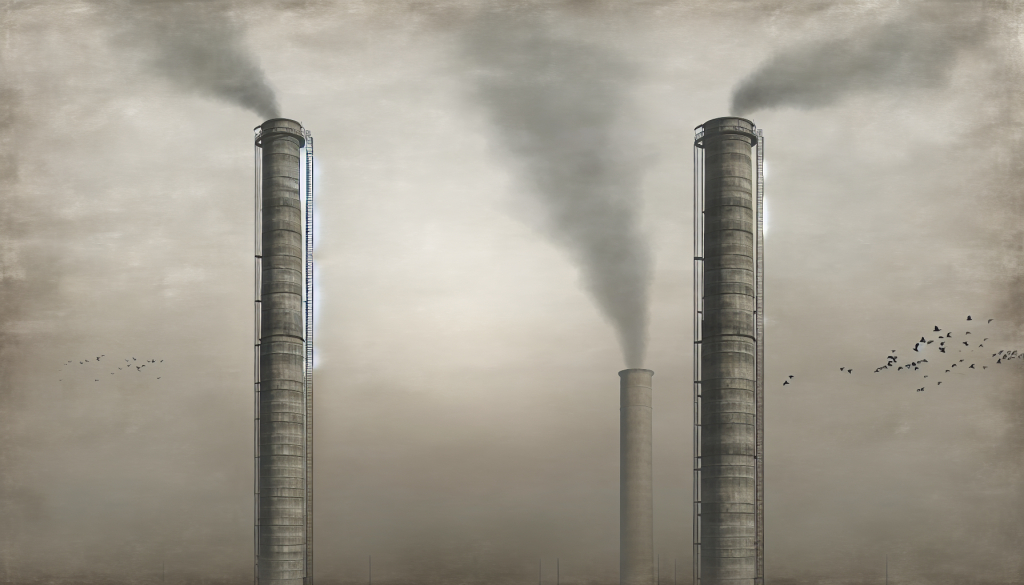
LOUISVILLE, Ky. (AP) — The Environmental Protection Agency on Friday rolled back limits on mercury and other hazardous emissions from coal-fired power plants, marking the Trump administration’s latest move to support the fossil fuel sector by scaling back air and water regulations.
Pollution from coal- and oil-burning plants can interfere with brain development in children and is linked to heart attacks and other serious health issues in adults. These facilities are also among the leading sources of greenhouse gases that contribute to climate change. The EPA announced it would repeal the stricter version of the Mercury and Air Toxics Standards, known as MATS, during an event held at a large coal plant along the Ohio River in Louisville, Kentucky.
“Today’s action corrects the overreach of the previous administration and restores the original MATS framework that supported American energy leadership,” said EPA Deputy Administrator David Fotouhi. According to the agency, the revision is expected to save the industry hundreds of millions of dollars.
The updated rule returns the industry to emission standards first put in place in 2012 under President Barack Obama, which led to a nearly 90% reduction in mercury pollution. The Biden administration had attempted to strengthen those limits after the first Trump administration worked to weaken their legal foundation.
Before the announcement, officials toured the Mill Creek Generating Station, where plant operators showcased ongoing operations at the coal-fired facility.
Coal-burning power plants remain the largest human-generated source of mercury emissions. Once released into the air, mercury settles onto land and water through rainfall or gravity, eventually entering the food supply through fish and other items consumed by people.
Environmental advocates argue that stricter standards have saved lives and improved health outcomes for communities near coal plants. Industry representatives, however, maintain that tighter requirements — along with other environmental regulations — have made coal plants too costly to operate.
They contend that the accumulation of rules under the Biden administration would have accelerated plant closures nationwide.
“For years, coal producers and suppliers have faced burdensome environmental mandates,” said Michelle Bloodworth, CEO of America’s Power, a coal industry organization. “Rolling back the 2024 MATS rule and taking these steps help ensure reliable, affordable electricity and allow coal generation to continue playing a key role in the nation’s economy and power grid.”
The future of the coal industry has shifted significantly over the past year.
In March, the EPA described its broader effort as the most extensive deregulatory initiative in U.S. history, outlining plans to reconsider dozens of environmental rules. EPA Administrator Lee Zeldin said the administration was ending what he characterized as excessive climate-focused policies. Regulations targeting fossil fuels were central to the effort, including measures aimed at reducing carbon emissions from coal plants and requiring greenhouse gas reporting. The administration has also granted extensions to numerous coal plants to meet certain Clean Air Act requirements.
In addition to easing environmental rules, the administration issued emergency directives to delay the closure of several coal-fired plants. Officials argue that coal facilities provide steady electricity during extreme weather and times of peak demand. They say retiring coal plants could threaten grid stability, especially as expanding data centers increase electricity consumption. Concerns about higher costs and pollution, including coal’s role in climate change, have been dismissed by supporters of the policy shift.
Earlier this month, the EPA also rescinded a longstanding determination that climate change poses a risk to public health, a finding that has underpinned federal regulation of greenhouse gases. President Donald Trump recently met with coal miners at the White House, where he was praised for his support of the industry.
Environmental groups counter that prioritizing coal is misguided, noting that renewable energy sources are increasingly cleaner, more affordable and dependable.
Gina McCarthy, who led the EPA during the Obama administration, said history would judge the current administration for favoring coal interests over public well-being.
“Weakening safeguards on mercury and other dangerous pollutants undermines efforts to protect Americans, especially children, from serious health risks,” said McCarthy, now chair of the climate advocacy group America Is All In.
___
Associated Press writer Matthew Daly contributed to this report. Phillis reported from Washington.