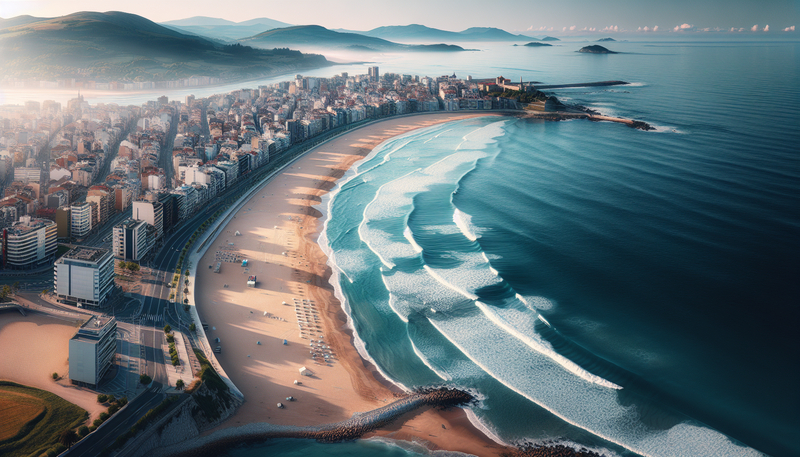
Hurricane Isaias weakened after making landfall in Florida
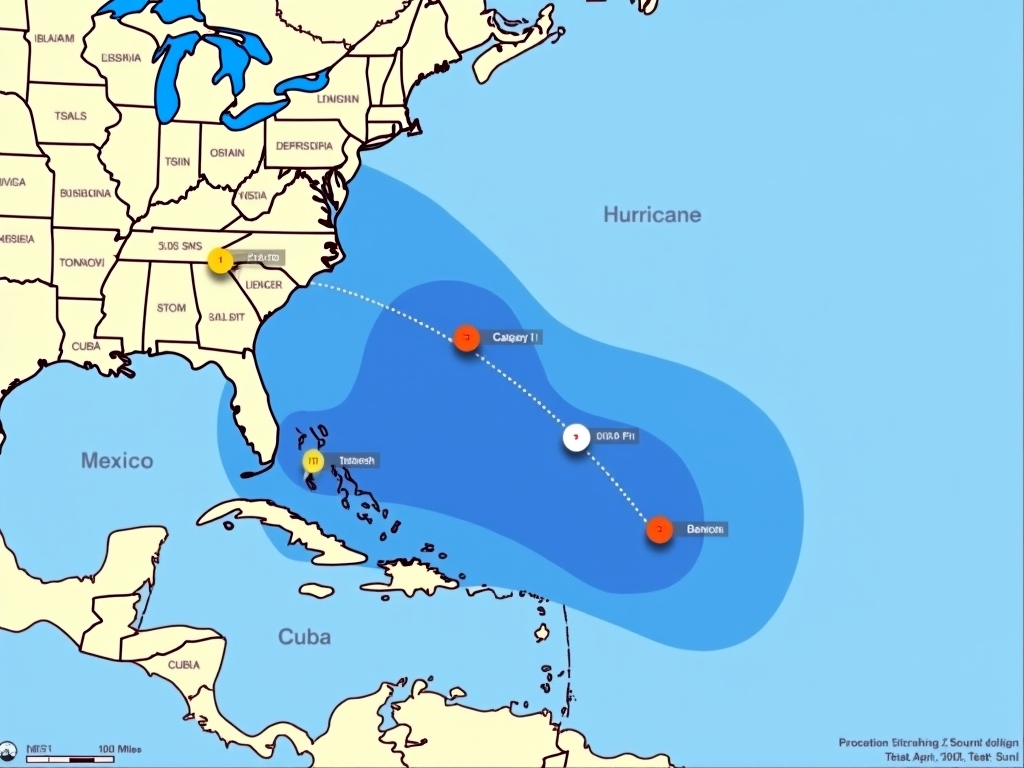
Hurricane Isaias was downgraded to a post-tropical cyclone a day after making landfall on Florida’s northern Gulf Coast, where it brought torrential rain and damaging winds.
Isaias, the first named hurricane of the 2026 Atlantic season, continued moving through south-eastern parts of the United States.
Hundreds of thousands of homes and businesses across Florida, Alabama and Georgia lost electricity, while all three states declared emergencies. Storm warnings were lifted after expiring on Saturday.
Isaias was one of three weather systems affecting North America over the weekend, alongside two Pacific storms threatening Mexico and southern California amid unusually warm El Niño-influenced waters.
Florida and Alabama both ordered mandatory evacuations affecting thousands of residents ahead of the storm.
In Florida, evacuation orders covered coastal communities expected to face the strongest effects.
Alabama Governor Kay Ivey ordered non-residents, tourists and visitors to leave several counties expected to be among the hardest hit.
On Saturday, Homeland Security Secretary Markwayne Mullin said the president had approved emergency declarations for both states, allowing federal assistance and resources to be deployed.
Isaias was the first hurricane of the Atlantic season, which had largely been delayed by El Niño conditions in the Pacific.
It was the first time in more than three decades that no Atlantic hurricane had formed before October.
Before landfall, the National Hurricane Center warned that Isaias could produce a “life-threatening storm surge” along the Gulf Coast.
By Saturday morning, all warnings connected to Isaias had been discontinued, the agency said.
The post-tropical system was moving north and was forecast to pass across Alabama before reaching the Tennessee Valley later on Saturday and Sunday, according to the National Weather Service.
On Friday evening, hurricane-force winds extended up to 35 miles (55km) from Isaias’s centre, while tropical-storm-force winds reached as far as 205 miles.
Even so, widespread outages continued across the south-east, with Alabama, Florida and Georgia preparing for further heavy rainfall and possible flooding.
On Saturday morning, more than 400,000 customers in Florida had no power, along with just over 300,000 in Alabama. More than 100,000 customers were also without electricity in Georgia, according to outage tracking data.
Before the storm arrived, Pensacola resident John Guoth said he and his wife intended to stay home even though most of their neighbours had already left.
“It’s a hurricane, we get them all the time... we kind of knew that when we moved here,” he said, adding that they had secured anything that could be blown away.
Guoth said he moved his ducks and chickens into the bathroom and anchored his boats and trailers to make sure “nothing flips over”.
Some other households had also stayed behind, he said, describing them as long-time residents determined to protect their properties.
Brandin Ruth said that even people in the Florida city who had experienced severe storms in the past were taking precautions. “You don’t want to underestimate a storm like this,” she said.
One measure of the storm’s seriousness for many southern communities was the closure of Waffle House restaurants.
A spokesperson for the restaurant chain said several locations along the storm’s path had already closed and that conditions would continue to be monitored.
The US president also cancelled plans to attend a major college football game in Tuscaloosa, Alabama, because of the hurricane, instead planning to hold an event in Tennessee.
Two other storms were also expected to affect North America during the weekend.
Hurricane Simon was approaching Mexico’s Pacific coast as a category one storm. It was forecast to strengthen rapidly into a category four hurricane before making landfall near Puerto Vallarta on Sunday.
Farther north, Tropical Storm Rachel, which had weakened from hurricane strength, was moving toward the Pacific coast near the US-Mexico border.
Although Rachel was expected to reach land late on Saturday, its effects were already being felt through high tides along southern California.
Images and video from Newport Beach showed several roads flooded by a combination of storm-driven swells and elevated tides.
Newport Beach officials advised people to avoid the Balboa Peninsula because of flooding caused by recent storm conditions and unusually high water levels.
Residents were also urged not to drive through flooded roads. Bulldozers were used to reinforce parts of the beach in an effort to limit further flooding.
Additional weather reporting was provided by the BBC Weather team.