Hurricane season in the Atlantic concludes, leaving a trail of destruction behind
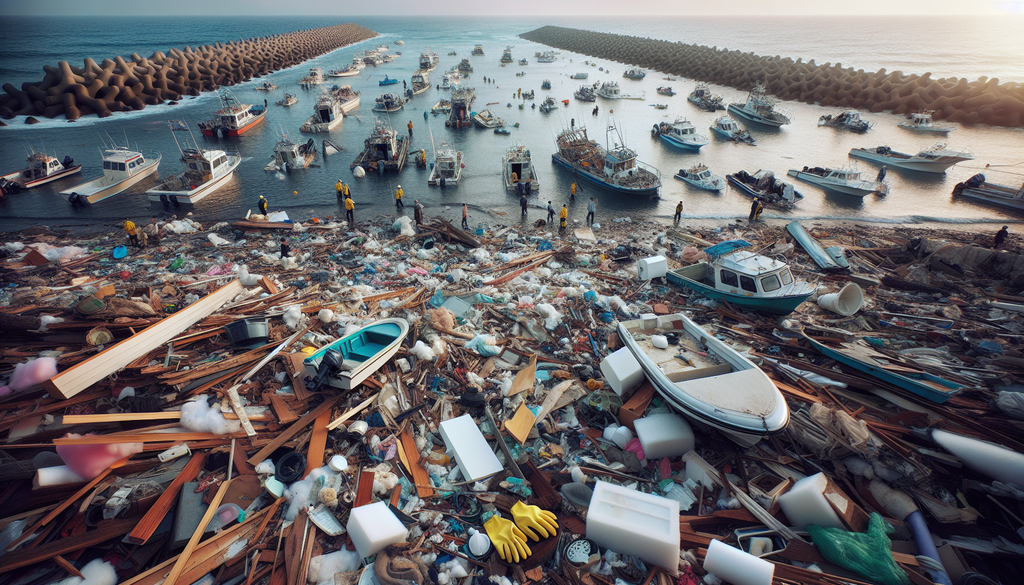
The 2024 Atlantic hurricane season officially ends on Saturday, closing a period marked by heightened activity. This year witnessed 11 hurricanes—well above the typical average of seven—along with devastation and loss far from where the storms originally made landfall along the U.S. Gulf Coast.
Meteorologists described the season as “exceptionally intense,” attributing the surge in storm activity to unusually high ocean temperatures. Across the Atlantic, eight hurricanes impacted regions including the U.S., Bermuda, Cuba, the Dominican Republic, and Grenada.
Key highlights of the 2024 hurricane season:
Hurricane Beryl set new records by becoming the first-ever Category 4 hurricane to form in June. The storm roared into the island of Carriacou in Grenada, later cutting through Jamaica, where it destroyed homes, ruined crops, and claimed two lives. According to Brian McNoldy, a hurricane researcher from the University of Miami, such an event is extraordinarily rare, with the last comparable storm being Hurricane Dean in 2007. Beryl quickly escalated into the earliest Category 5 hurricane in Atlantic history on July 1—months ahead of when major hurricanes, typically Category 3 or higher, are usually observed, which is around September, according to the National Hurricane Center.
Hurricane Helene, meanwhile, wreaked havoc in September, causing monumental destruction across the southeastern U.S. It became the deadliest storm to strike the U.S. mainland since Hurricane Katrina in 2005, claiming over 200 lives. North Carolina alone estimated damages of at least $48.8 billion, with homes, water systems, agriculture, and forestry severely impacted. Other states that sustained significant damage include Florida, Georgia, South Carolina, Tennessee, and Virginia.
October brought Hurricane Milton, which intensified at a staggering pace. Its peak winds reached an astonishing 180 mph, ranking it among the most powerful hurricanes ever recorded in Gulf of Mexico history, surpassed only by 2005’s Hurricane Rita.
Regions affected by both Helene and Milton experienced triple their typical rainfall for September and October, traditionally the peak of hurricane season. Cities such as Asheville, Tampa, and Orlando recorded their wettest two-month period to date.
In November, Hurricane Rafael reached sustained wind speeds of 120 mph, nearly matching the record for the strongest November hurricane in the Gulf of Mexico. Only Hurricane Kate in 1985 shares that distinction. Rafael struck Cuba while the nation was still grappling with widespread blackouts caused by Hurricane Oscar in October, leaving behind significant devastation.
FILE: Residents retrieve belongings from the wreckage of homes destroyed by Hurricane Rafael in Alquizar, Cuba, on Nov. 7, 2024. (AP Photo/Ramon Espinosa, File)
FILE: Residents retrieve belongings from the wreckage of homes destroyed by Hurricane Rafael in Alquizar, Cuba, on Nov. 7, 2024. (AP Photo/Ramon Espinosa, File)
• Copy Link copied
Link copied
• Email
• Facebook
• X
• Reddit
• LinkedIn
• Pinterest
• Flipboard
• Print
Hurricanes and their connection to climate change
Greenhouse gases like carbon dioxide and methane—emitted from industries and transportation—are heating the planet and contributing to rising ocean temperatures. While multiple elements factor into hurricane formations, warmer oceans are enabling these storms to develop and intensify in unexpected regions and during unseasonable times, explained McNoldy.
“To put it simply, we’ve never experienced a storm as powerful as Beryl so early in the season across the Atlantic, nor have we encountered a hurricane like Milton this late in the Gulf of Mexico,” he remarked.
McNoldy added, “Although I don’t attribute individual weather events directly to climate change, its influence amplifies the likelihood of such extreme storms occurring.”
____
The Associated Press’ reporting on climate and environmental issues benefits from funding provided by various private foundations. Despite this support, AP retains complete editorial control over its content. Details about AP’s collaboration with philanthropies, including a list of funders and focal areas, can be found at AP.org.