Caravaggio painting makes its public debut in Rome
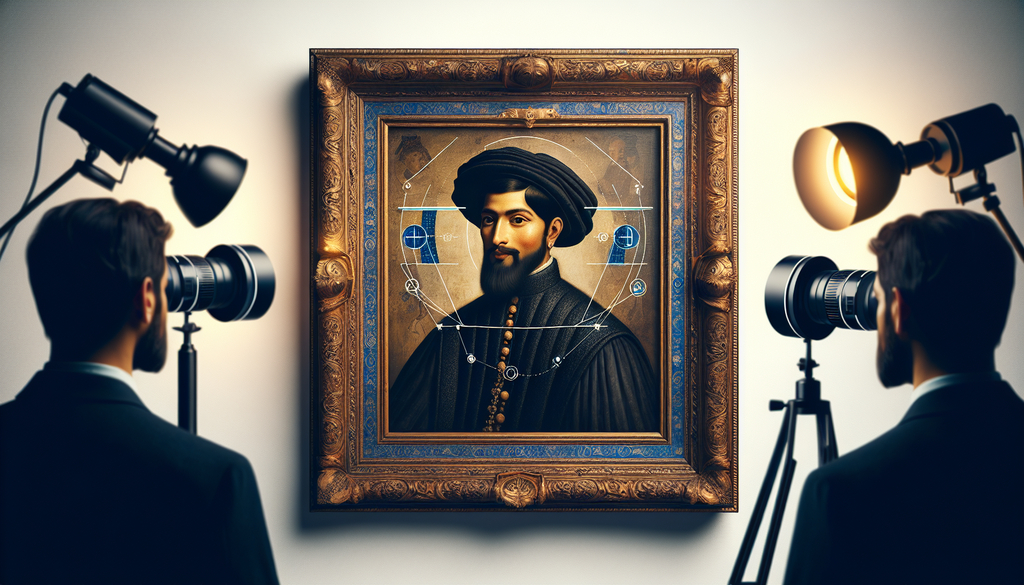
ROME, Nov 22 (Reuters) - A rare portrait by Baroque artist Caravaggio, privately owned since its discovery over six decades ago, is being exhibited publicly for the first time in a Roman museum.
Caravaggio, whose full name was Michelangelo Merisi, is celebrated for his mastery of chiaroscuro—an artistic technique that uses stark contrasts of light and shadow to create dramatic realism. He passed away in 1610, in his late thirties, after a life marked by turmoil.
The painting, a portrait of Monsignor Maffeo Barberini—who later became Pope Urban VIII in the 17th century and was a significant patron of the arts, supporting luminaries like sculptor and architect Gian Lorenzo Bernini—was definitively attributed to Caravaggio in 1963.
"This piece has never before been displayed in a museum, nor has it been loaned for any exhibition. This marks its very first public viewing," explained Thomas Clement Salomon, Director of the National Galleries of Ancient Art, during a statement on Friday.
The portrait is one of the few remaining works by Caravaggio in this genre, as many of his other portraits have been lost or destroyed over time. The museum has announced that the artwork will be on display from Nov. 23 through Feb. 23, 2025.
"Since its attribution in the 1960s, only a small number of art experts have had the privilege of seeing the painting up close. Comparing its photographic reproductions with the physical work is incomparable—the painting’s exceptional quality and nearly hypnotic presence come alive in person," curator Paola Nicita remarked.
Believed to have been painted around the beginning of the 17th century, the portrait depicts Barberini seated, gesturing with his right hand as though issuing instructions. Barberini would ascend to the papacy in 1623 and earn a reputation for his patronage of the arts.
The museum hosting the exhibition is located within Palazzo Barberini. This historic palace, constructed under the guidance of Urban VIII during his tenure as pope, was designed by Bernini and fellow Baroque architect Carlo Maderno. It remained within the Barberini family until after World War II.
(This article has been updated to correct a surname in the byline.)