‘Kids are walking into a nightmare’: the harrowing movie about mourning parents battling tech titans
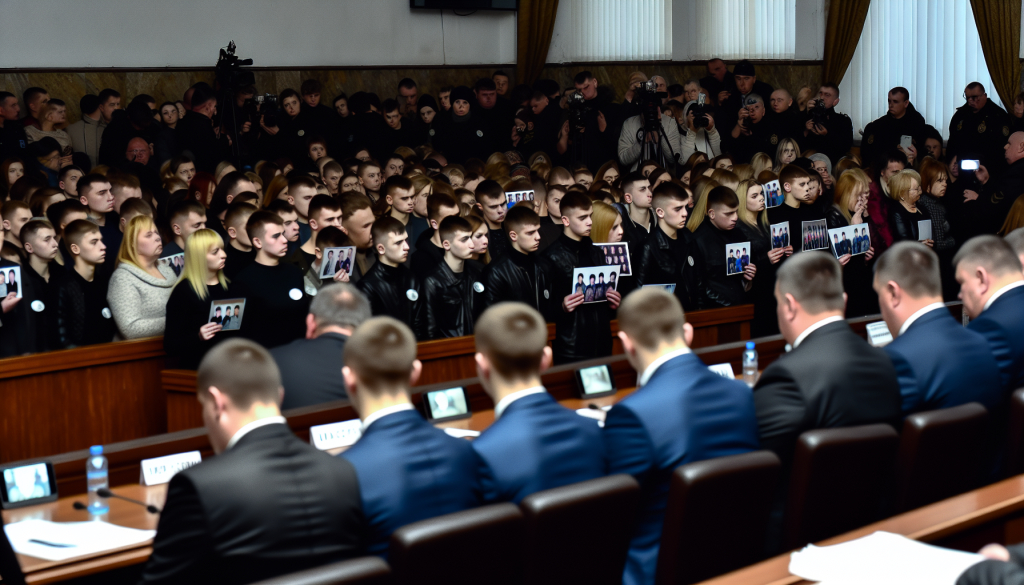
In 2020, Amy Neville discovered her 14-year-old son, Alexander, lifeless in his bedroom. He had unintentionally consumed a counterfeit oxycodone tablet, which, according to Neville, he purchased from a drug dealer via Snapchat. The pill contained fentanyl. Four years later, she addressed students and parents at the California high school Alexander would have attended, warning them about social media’s dangers. “We hand our children smartphones with access to these platforms, and it’s like leaving them unsupervised in a dangerous part of town.”
Neville appears in the emotional new documentary Can’t Look Away, which explores the dangers young people face online. Directed by Matthew O’Neill and Perri Peltz, and based on investigative work by journalist Olivia Carville, the film focuses on American families fighting powerful social media corporations in court. They are backed by the Social Media Victims Law Center, led by attorney Matthew Bergman, whose presence in the film is striking.
Discussions about teens and social media have moved far beyond concerns about phone use at dinner. In his 2024 book The Anxious Generation, author Jonathan Haidt examines how phones affect young people’s mental well-being. Recently, the UK’s technology secretary publicly acknowledged delays in enacting online safety laws. Australia is planning to restrict social media access for those under 16 later this year.
Can’t Look Away is difficult to watch, especially as grieving parents share the stories of their lost children. Toney and Brandy Roberts filed a lawsuit against Meta after their 14-year-old daughter, Englyn, took her own life in 2020 following the viewing of a disturbing video on Instagram. “Social media companies are aware that kids are deeply vulnerable,” Brandy says. “We think real change won’t come unless the courts take action, and that’s why we’re part of this effort.”
The film’s directors spoke starkly ahead of its UK premiere. O’Neill admitted he hadn’t realized the intensity of content children are being fed online. “It’s so much more than screen time or distraction,” he noted. “Algorithms feed kids content that they’re not even looking for. It creates a virtual environment that adults can’t fully grasp.”
Social media algorithms operate by assessing users’ likes, comments, and time spent on posts. If someone pauses on certain content, the platform serves them more of the same. This means that harmful material can appear even without being directly searched. A young teen might seek healthy lifestyle content but quickly find themselves immersed in dangerous pro-anorexia material. “It becomes dark so fast,” says O’Neill.
Sixteen-year-old Mason Edens had recently gone through a breakup. His mother, Jennie DeSerio, thought it was typical teenage heartbreak. But during his distress, Mason browsed TikTok using innocent phrases—and was bombarded with dark, disturbing clips. One featured a gun, a blood spatter, and words suggesting harm. In November 2022, Mason took his own life. His mother insists he never searched explicitly for suicide-related content.
O’Neill was disturbed by what Mason was shown: “It wasn’t just emotional music or tears. It was graphic and instructive about self-harm. No platform should subject kids to that.”
So, can tech companies filter such material? “If companies like Meta know what I want to buy before I do, surely they can prevent suicide-related content from reaching kids.”
After showings of Can’t Look Away, the filmmakers often ask young viewers if they’ve ever encountered suicide content on social media. “Nearly every hand goes up,” says Peltz.
In the U.S., 95% of teens use social platforms. In 2022 alone, these companies reportedly earned around $11 billion from ads targeting minors. Since longer screen time equates to greater profits, the platforms have a strong incentive to keep kids engaged, says Peltz. “Why is harmful content pushed to kids? Because it increases time online. Whistleblowers have confirmed this is intentional. Safety is being traded for profits.”
Whistleblowers appear in the film, alleging the companies were warned their platforms could harm young users. Arturo Béjar, who worked in leadership roles at Facebook and Instagram, grew deeply concerned about the company’s findings. A poll showed that one in eight young teens had experienced a sexual advance while using Instagram in just one week. Béjar shared his worries with senior leaders, but says he received no reply.
Among the stories featured is that of Jordan DeMay, a sociable 17-year-old from Michigan. In March 2022, he was manipulated via Instagram by a scammer pretending to be a peer. After exchanging messages that led to sending intimate photos, Jordan received threats: pay money or the images would be released. Within hours, Jordan had ended his life.
Sextortion is rapidly rising as a cybercrime. Peltz stresses the importance of parental guidance. “Talk with your children. Tell them that if anything like this happens, they should turn to you without fear or shame. That simple message can change everything.”
The documentary ends with courtroom footage from Los Angeles. Amy Neville, whose son died from the fake pill, heads a lawsuit against Snapchat on behalf of families whose children died or were affected after alleged fentanyl purchases via the app. Their suit argues that Snapchat’s features—like disappearing messages—enable illicit activities. Tools like Quick Add help expand dealers’ networks rapidly. Lawyer Laura Marquez-Garrett explains, “Dealers just connect with one teen, then easily access their whole social circle.”
Snapchat’s defense leans on a decades-old U.S. law: Section 230 of the 1996 Communications Decency Act, which protects digital platforms from legal responsibility for user posts. In court, their lawyer compared Snapchat to a phone provider—not liable for how people use the service. The legal debate is tense and thought-provoking.
Peltz says many parents feel helpless in the face of this crisis. “But this isn’t about blaming parents. Responsibility lies with the companies. They must redesign their platforms with safety in mind. Parents can’t be expected to stay ahead of constantly changing technology. These firms have to stop passing the buck.”
Judgment of teens is common, she continues. “We often think, ‘My child wouldn’t fall for that.’ But kids make mistakes—that’s part of growing up. Their errors should not cost them their lives.”
Can’t Look Away: The Case Against Social Media is available in UK theaters and on streaming platforms from 8 August.
If you or someone you know is struggling, support is available. In the UK, Papyrus offers youth suicide prevention via 0800 068 4141 or [email protected]. Samaritans can be reached at 116 123 or via email at [email protected] or [email protected]. In the US, call 988 or text HOME to 741741 to connect with a crisis counselor. In Australia, Lifeline offers help at 13 11 14. For international assistance, visit befrienders.org.