
Essential Information About the US Real ID
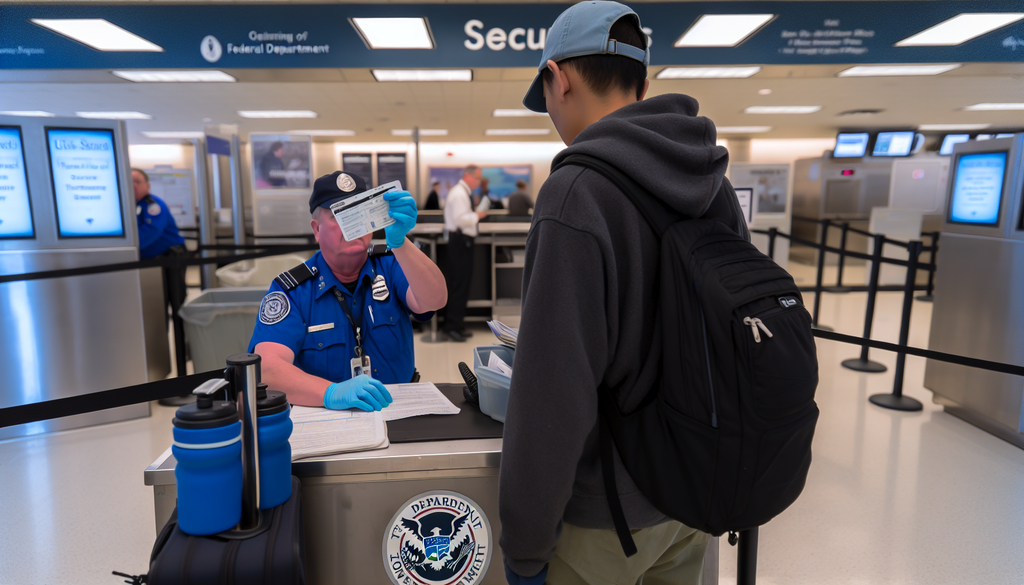
Beginning tomorrow, a new identification policy goes into effect for U.S. air travel, impacting many American citizens and permanent residents.
This week, the U.S. government will launch a significant update to its travel regulations, a move that has been nearly two decades in development.
Starting on 7 May, standard state-issued driver’s licences or IDs will no longer be accepted at airport security for domestic flights. Instead, travelers must present a REAL ID, a valid passport, or another government-approved form of identification to proceed through TSA checkpoints.
Here’s what travelers should keep in mind.
The REAL ID is a federally approved driver's license or non-driver ID that complies with Department of Homeland Security standards and is distributed by your state’s Department of Motor Vehicles (DMV). These updated IDs closely resemble current versions but feature a gold or black star in the top-right corner to signify federal compliance.
"The REAL ID initiative enhances security by making it more difficult to forge IDs, helping combat criminal and terrorist activities," said Adam Stahl, the acting Administrator at the TSA. "Our goal is to roll out this change smoothly, ensuring both traveler safety and minimal disruption."
All domestic passengers aged 18 and over will now need to show a REAL ID or another valid TSA-approved form of ID, such as a U.S. passport or green card, to board flights within the United States and its territories.
Even those enrolled in TSA PreCheck must adhere to this rule, though minors under 18 can still travel domestically without presenting identification.
To apply for a REAL ID, visit this interactive map and select your state or territory to view specific documentation requirements. In most cases, applicants will need to schedule a visit to their local DMV, bringing proof of identity and legal residency. This typically includes documents such as a birth certificate, passport or green card, address verification like a bank statement or utility bill, and a Social Security card.
Applicants will receive a temporary ID during processing, which usually takes a few weeks. Fees vary by state, so it’s advisable to consult your DMV for exact prices.
Travelers who do not possess a REAL ID, passport, or another acceptable form of ID could be denied access to their flight or required to undergo additional identity verification. According to the Department of Homeland Security (DHS), “If you lack proper identification, TSA may conduct an alternate screening using personal information such as your name and current address to confirm your identity.”
More travel updates:
• Major updates coming to travel in the UK and Europe in 2025
• Innovations in aviation: How digital technologies are changing the skies
• Examining how Trump’s new policies may transform travel
In addition to passports, the DHS lists enhanced IDs and trusted traveler program credentials like Global Entry as acceptable substitutes for a REAL ID. However, this list can be updated, so travelers are urged to confirm their documents with TSA in advance.
The REAL ID Act, originally recommended by the 9/11 Commission following the September 11th attacks, was created to raise ID standards for greater national security. But due to pushback from certain states and COVID-19 delays, its implementation was postponed multiple times.
Although this change largely affects American citizens, foreign travelers may also experience longer wait times at airport security. Officials advise all passengers to arrive well ahead of departure—ideally two hours for domestic flights and three hours for international ones—to account for extra screening procedures.
--
If this article was helpful, consider signing up for The Essential List newsletter—a curated digest of thoughtful features, must-watch videos, and breaking news delivered to your inbox twice a week.
Discover more travel stories by following us on Facebook, X, and Instagram.



