Six captivating insights into the Waldorf Astoria’s rich heritage
From hidden rail lines to signature recipes, these highlights showcase why the Waldorf Astoria remains a pioneer in the hospitality world.
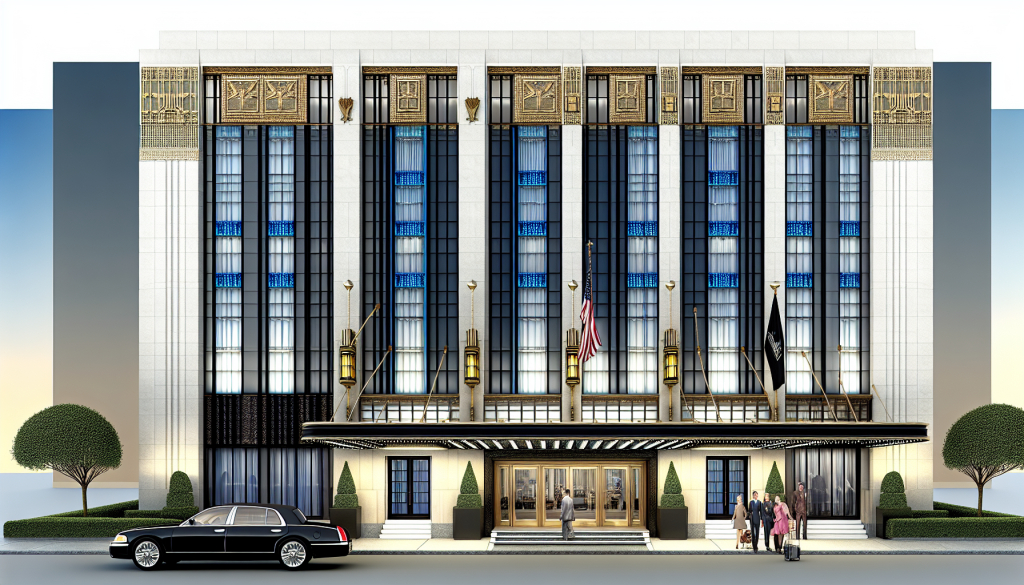
Few other hotels have left a mark on New York City quite like the Waldorf Astoria. Initially launched in 1893 and relocated in 1931 to its famed Park Avenue setting, the hotel quickly became a symbol of grace, prestige, and groundbreaking service. It welcomed notable guests ranging from musical icons and cultural elites to heads of state and became a model for modern luxury hotel experiences.
"When it reopened in 1931, it came to represent a hopeful future," said historian David Freeland, author of American Hotel: The Waldorf-Astoria and the Making of a Century. "President Hoover even delivered an address for its opening, recognizing the hotel not just as a city landmark, but as a national sign of recovery."
Following an extensive eight-year renovation, the Waldorf Astoria now welcomes guests once again. The updated hotel features beautifully restored original artwork and design, along with brand-new interiors crafted by designer Pierre-Yves Rochon. Visitors can now book rooms and dine in its restaurants, although the opulent event spaces will reopen later in September.
Here are six reasons why the Waldorf Astoria continues to be a landmark in hotel history.
The Waldorf Astoria was among the first modern hotels to offer luxuries that are now standard in high-end hospitality. These included room service, telephones in every room, and famous chefs. These innovations, alongside its ornate decor such as the grand lobby, helped establish its reputation with the city's elite.
"Since its early days in the 1890s, the Waldorf became synonymous with high society – hosting diplomats, artists, and cultural figures," Freeland shared. "That legacy held strong throughout its long history."
At a time when society figures still largely entertained at home, the Waldorf shifted perceptions about dining out. It was even one of the earliest city venues where women could dine solo in public, a significant cultural change for its time.
The hotel's kitchen, led for decades by Oscar Tschirky – affectionately known as "Oscar of the Waldorf" – was the birthplace of classic dishes like eggs Benedict, Waldorf Salad, and red velvet cake. The newly opened Lex Yard restaurant pays tribute to these classics with dishes such as red velvet soufflé and chef Michael Anthony’s reimagined Waldorf Salad.
The original site of the Waldorf Astoria, located where the Empire State Building now stands, was actually two separate buildings: the Waldorf and the Astoria. They were joined by a 300-foot-long corridor known as Peacock Alley, a stylish promenade where elite guests would flaunt their fashion. This area re-emerges in the current hotel, adorned with a striking mural behind the bar, the original 1893 lobby clock, and Cole Porter’s grand piano – celebrating the famous composer who resided at the hotel from 1935 to 1964. It remains a prime spot to sip a cocktail and take in the elegant ambiance.
Acquiring a full city block was a major achievement, even in 1931. The Waldorf Astoria managed it by transforming the New York Central Railroad’s yard after the city transitioned from steam to electric trains. The area beneath the hotel included a secret train track, known as Track 61, rumored to have transported presidents and dignitaries directly into the hotel. Though it's no longer in use, its legend endures and inspired the name of the hotel’s new restaurant, Lex Yard, referencing the former Lexington Avenue rail depot.
In 1946, when the United Nations made New York its permanent base, the Waldorf played a pivotal role. At a time when many establishments unofficially practiced segregation, the hotel committed to inclusivity. "The UN was concerned about lodging for delegates and staff, including people of color," said Freeland. "The Waldorf agreed to accommodate guests regardless of race, becoming the preferred hotel for UN-related stays and functions."
The original structure housed 450 rooms, making it one of the city's largest at the time. As the hotel evolved, its capacity swelled to 1,400 rooms. Post-renovation, the room count was trimmed to just 375 in favor of larger, more spacious accommodations. These new rooms, averaging over 570 square feet, are more generous than most New York apartments.