Jeju, dubbed the ‘Hawaii of Korea,’ releases new rules for unruly international tourists
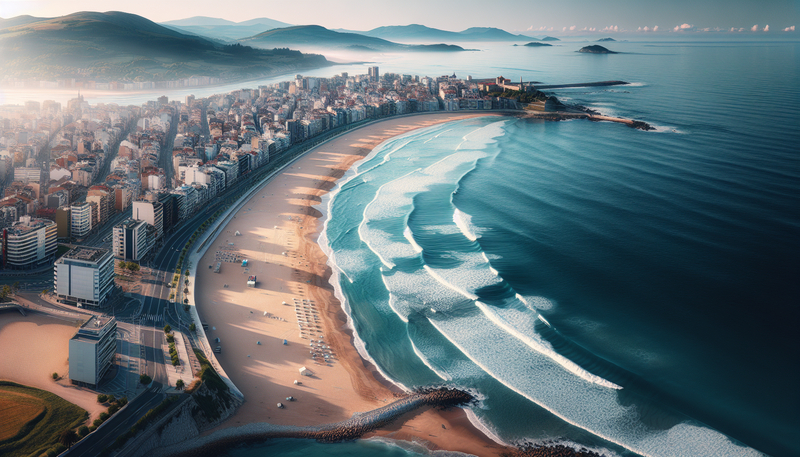
Jeju Island, often known as South Korea’s version of Hawaii, has released a multilingual brochure advising overseas visitors to respect local rules, following several viral incidents involving inappropriate behavior.
The island welcomed over 13 million visitors last year, drawn by its clear coastal waters, scenic tea plantations, and the snow-topped Halla Mountain. Jeju is now connected to Seoul by the world’s busiest air route, with over 13 million passengers flying between the capital and the island on the 75-minute journey, according to recent data from the International Air Transport Association.
Since the end of the Covid-19 outbreak, foreign arrivals to Jeju have surged, with visitor numbers climbing to about 1.9 million in 2024, nearly four times higher than before, per the Jeju Tourism Association.
To address this influx and the challenges it brings, local authorities have distributed 8,000 information leaflets that highlight various minor violations for which tourists could incur fines.
Published in Korean, English, and Chinese, the leaflets aim to educate visitors unfamiliar with local customs and rules, officials said.
Infractions such as smoking in unauthorized spots, crossing streets unlawfully, littering, or harming natural surroundings can result in a 50,000 KRW (around $36) penalty.
The guide also notes that such behaviors may lead to either minor imprisonment or additional fines in accordance with public order regulations.
In the wake of the tourism spike, Jeju residents have begun expressing frustration online about improper conduct by some tourists, especially as air travel and cruise ships bring in more travelers daily.
One high-profile case involved a tourist caught smoking on a public bus in Jeju, a video that went viral in April, sparking outrage on South Korean social media platforms.
“This person should be fined immediately. If they don’t pay, they shouldn’t be allowed to buy any flight tickets,” one user commented.
Another user remarked, “Isn’t this just disregarding our country?”
Last summer, another incident sparked controversy—an image of a foreign child defecating on a Jeju sidewalk circulated widely, with many calling for tighter penalties on foreign tourists.
Jeju is not alone in facing tourism-related pressures. Other places in the region have reacted similarly. For example, South Korea’s Bukchon Hanok Village imposed a night curfew on non-residents due to complaints about noise disturbances.
Countries like Japan have long offered etiquette manuals to guide visitor behavior. In Kyoto’s Gion district, local authorities took measures last year to stop tourists from unlawfully photographing geisha in restricted areas. Bali has also been dealing with ongoing issues related to unruly tourist behavior.
Meanwhile, concerns about too many tourists are being felt across Europe. In places like Spain, Greece, and Italy, locals have taken to the streets, voicing their dissatisfaction with overcrowding and its impact on daily life.
Last summer in Barcelona, residents made headlines by spraying tourists with water pistols. This year saw similar protests in cities across Spain and Italy, including Venice. Even staff at the Louvre in Paris staged an unplanned strike, citing the overwhelming number of visitors.
Ruben Santopietro, head of a travel marketing company in Italy, emphasized that preserving local communities’ well-being is as vital as addressing physical crowding.
“A city where locals are unhappy simply doesn’t function,” he said in a recent interview. “The culture of the place fades, residents feel disconnected, and entire areas turn into tourist-only zones.”