UK Aid Reductions ‘Threaten Child Education and Heighten Death Risk’
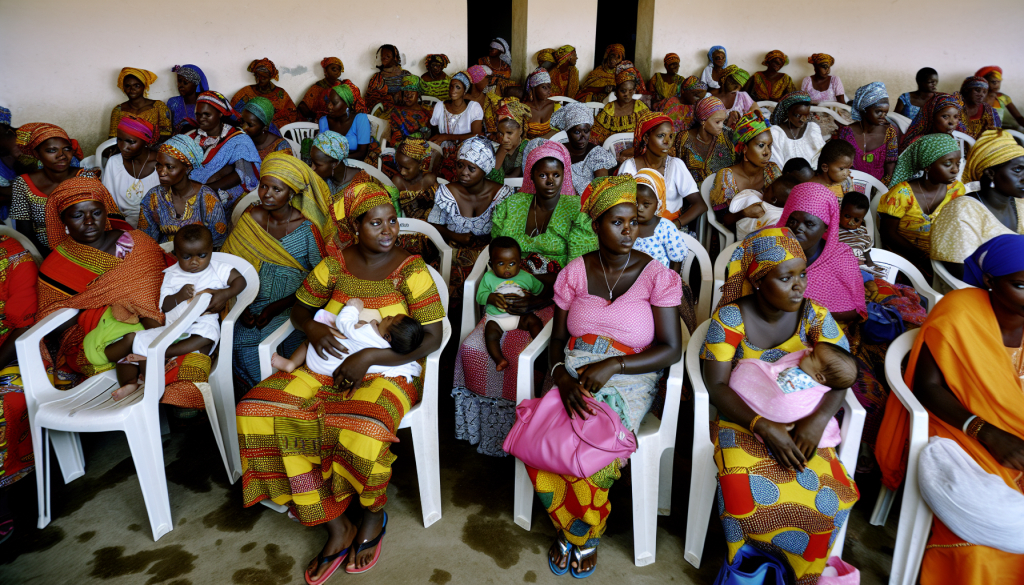
According to the government's own analysis, Labour's significant cuts to foreign aid are expected to negatively impact children's education and raise the risks of illness and death in several African nations.
Earlier this year, Keir Starmer confirmed plans to lower the aid budget from 0.5% to 0.3% of the UK's national income, in order to allocate more resources to defence.
The Foreign, Commonwealth and Development Office (FCDO) released an “equality impact assessment” of the proposed changes on Tuesday, coinciding with Parliament's summer break.
This review, based on funding allocations for the 2025–2026 fiscal year—which begins the implementation of the initial reductions—presents a concerning outlook on the likely consequences.
The government has chosen to maintain contributions to multilateral organisations such as the International Development Association (IDA) and the global vaccine alliance Gavi, while also continuing to support emergency humanitarian relief.
While the impact assessment noted that these choices help limit unequal effects, it also revealed that many bilateral initiatives focusing on education and health in several countries are facing funding reductions.
“In Africa, support is being scaled back for women's health, healthcare system improvements, and emergency medical response, particularly in the Democratic Republic of Congo (DRC), Mozambique, Zimbabwe, and Ethiopia,” the report states.
One notable example is the Ending Preventable Deaths programme, where budget reductions will lead to a narrowing of services across 11 nations.
The assessment warns: “Broadly, less funding for healthcare increases the likelihood of disease outbreaks and preventable deaths, especially among women, children, those in poverty, and people living with disabilities.”
Regarding education, the report anticipates spending cuts this year in countries such as Ethiopia, Sierra Leone, Nigeria, and Zimbabwe. Additionally, a girls' education initiative in the DRC is scheduled to close earlier than originally planned, by 2025–2026.
“These decisions will likely harm children, including vulnerable groups and those with disabilities—for instance, ending the DRC education programme prematurely could negatively affect 170,000 children in the post-conflict Kasai region,” it adds.
The assessment also indicated that 11 out of 13 programmes being phased out were specifically designed to address equality and inclusion.
These reductions in UK development aid come at a time when a similar retrenchment is occurring in the United States, with sharp cuts to American aid contributing to the suspension of lifesaving HIV treatments across parts of sub-Saharan Africa.
The FCDO released the impact report alongside its annual update, which included further details on how the trimmed aid funds are to be allocated going forward.
Lisa Wise, head of global policy at Save the Children UK, responded: “The findings confirm our fears—drastic aid reductions will result in avoidable deaths among the world’s most vulnerable, especially children.”
She acknowledged the ongoing support to the World Bank, but cautioned: “International aid should follow a truly strategic approach, centred on reducing inequality and tackling crisis—not simply focused on financial rebalancing.”
Gideon Rabinowitz, policy director at Bond, a UK network of development NGOs, also expressed concern: “Communities facing serious challenges—especially those affected by conflict, and women and girls—will bear the brunt of these decisions.”
He emphasized that the current assessment only applies to this fiscal year and called on the government to conduct a new review as cuts continue.
“Without ongoing evaluations, our understanding of the full impact remains limited,” he cautioned.
Development minister Jenny Chapman commented: “We are reforming how we approach global development. Every pound must yield more value for both UK taxpayers and those we assist abroad. These figures reflect that we are achieving this by focusing on clearly defined priorities.”
She added that the UK is shifting its stance toward developing nations—positioning itself more as an equal partner and investor rather than a traditional donor.
Chapman has previously called the 0.3% aid target the “new standard.”
In the past, a Labour government endorsed the goal of dedicating 0.7% of national income to aid—a commitment that had broad political backing until it was reduced to 0.5% by Rishi Sunak during the pandemic.